
Here’s the short answer right up front: humans, big carnivores like wolves and mountain lions, and opportunistic hunters such as coyotes, bears, and birds of prey all kill and eat deer. Those animals, along with scavengers and less common predators like alligators or even orcas, really shape deer numbers across different habitats.
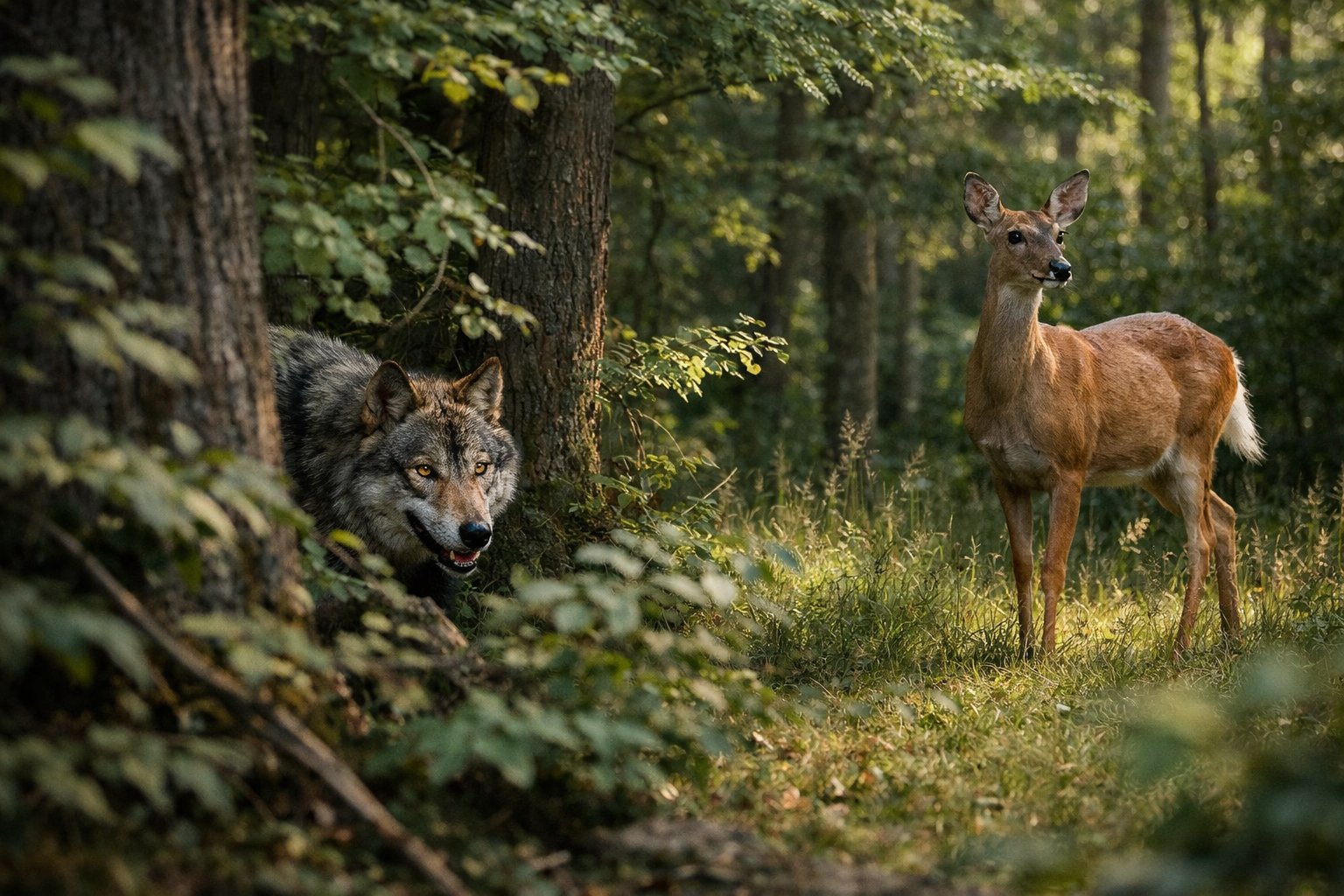
Deer face threats in forests, wetlands, and open fields. Newborn fawns are especially at risk.
The next sections break down which predators go after deer and which animals or birds scavenge on deer or their remains.
You’ll see how these predators connect to deer population patterns and habitat health. It’s more important than you might think for wildlife management and keeping ecosystems balanced.
Main Predators That Kill and Eat Deer

Several main predators kill deer for food or to control populations. Each type hunts in its own way and tends to target different ages, from fawns to struggling adults.
Humans and Human Hunters
Humans top the list as the main cause of deer deaths. Hunters with rifles, bows, and dogs take millions of deer every year during regulated hunting seasons.
Most hunters focus on bucks during the rut or specific seasons. States set bag limits and seasons to manage herd size.
Hunting dogs help track or tree deer, especially in certain regions. Field dressing and gut piles left behind attract scavengers.
Hunting, when managed by wildlife agencies, can reduce vehicle collisions and crop damage.
If you want a broader look at how humans compare to other predators, check out What Eats Deer: 13 Common Predators In North America.
Wolves and Wild Dogs
Wolves and other wild canids hunt by wearing down their prey and working together. Gray wolf packs run down and corner deer, often picking off the old or injured.
Individual wolves kill multiple deer each year. Where wolf populations are healthy, they really shape deer behavior and numbers.
Coyotes and feral dogs also target fawns and sometimes yearlings. Coyotes usually hunt alone or in pairs, striking most often during fawning season when fawns hide.
Wild or feral dog packs sometimes kill adult deer, especially where deer are plentiful and cover is thin.
Bears: Grizzly, Black, and Brown
Bears don’t specialize in hunting deer, but they won’t pass up the opportunity. Grizzly and brown bears kill or scavenge fawns and weakened adults when they cross paths.
Black bears take a lot of newborn fawns in spring. Fawns often rely on camouflage and stay still, making them easy targets.
Bears rely on their strength and the element of surprise. You’ll see more deer killed by bears near carcasses, stream crossings, or calving spots.
Bears compete with wolves and cougars for carrion and sometimes push smaller predators off a carcass.
Mountain Lions, Cougars, and Other Wild Cats
Mountain lions (cougars, Puma concolor) use stealth and ambush to kill deer. They like to wait by trails, creek beds, or thick brush, then leap onto a deer’s back or neck.
A single cougar might take down quite a few deer each year, especially where there are plenty of adults and yearlings.
Bobcats and lynx mostly go after fawns or smaller deer. They’ll scavenge bigger carcasses if they find them.
In the southern range, jaguars used to hunt deer, too. Wild cats rely on quiet stalking and powerful bites to the throat or spine to kill quickly.
Other Animals and Birds That Eat Deer
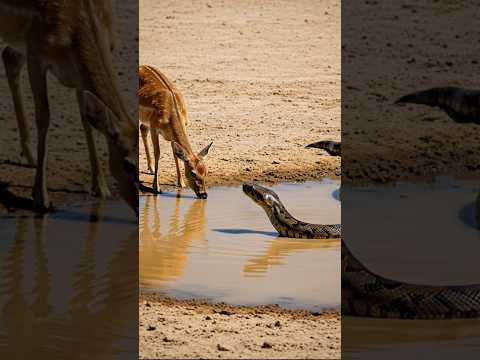
Plenty of other predators eat deer meat or scavenge carcasses when they get the chance. Some hunt fawns or weakened adults, while others mostly scavenge.
Let’s look at which small-to-medium mammals hunt deer, and which reptiles, bigger mammals, and birds eat deer or their remains.
Coyotes, Bobcats, and Small Mammal Predators
Coyotes often take fawns in spring. Sometimes, they hunt weakened adults in winter.
They hunt alone, in pairs, or in small packs. If you spot a coyote near deer beds, it’s probably searching for young or sick deer.
Coyotes also scavenge on roadkill or leftovers from bigger predators.
Bobcats and lynxes go after fawns more than adults. Bobcats use stealth in thick brush and may grab a fawn when does leave them hidden.
Lynxes hunt in deep snow, where deer move slowly. They might take weaker adults when there aren’t enough hares.
Small predators like foxes and raccoons rarely kill grown deer. They’ll eat fawn remains and soft parts, though.
Key behaviors:
- Coyotes adapt well, target fawns, and scavenge often.
- Bobcats and lynxes ambush fawns and take advantage of tough winter conditions.
- Small mammals feed on carcasses and vulnerable young.
Alligators, Wolverines, and Unusual Deer Predators
American alligators ambush deer at the water’s edge in the Southeast. If you watch streams or ponds in warmer months, you might see a big alligator pull a drinking deer into the water.
They use sudden speed and strong jaws to drown their prey. Alligators mainly take adults near water, and smaller ones target fawns.
Wolverines rarely hunt deer, but they’ll kill or scavenge when snow and rough terrain slow deer down.
Wolverines take advantage of deep snow or carrion left by other predators. Some unusual predators, like feral dogs, may kill multiple deer in a single event.
Even marine predators—like killer whales—have been known to take swimming deer in Arctic regions, though it’s rare.
What matters most:
- Alligators hunt at water crossings, mostly in warm months.
- Wolverines use tough conditions and scavenge carcasses.
- Feral dogs and rare marine predators can be important locally.
Birds of Prey and Scavengers: Eagles, Vultures, and Crows
Eagles—especially bald eagles and golden eagles—rarely go after adult deer. They usually take fawns or feed on whatever carcasses they find.
You’ll often spot bald eagles along riverbanks or out in fields, tearing meat from leftover deer remains. Golden eagles sometimes grab small fawns, and, in really rugged spots, might even attack a weakened adult.
Vultures, like turkey vultures and black vultures, handle most of the deer clean-up. They spot dead deer by sight or smell and quickly strip away the soft tissues.
By eating so much carrion, vultures actually help keep disease in check. Crows and ravens join in too; they peck at exposed meat and open up wounds to get to the good stuff.
Practical notes:
- Eagles: go for fawns, scavenge near rivers and open areas.
- Vultures: really efficient at finding and eating carcasses.
- Crows/ravens: hang around carcasses and sometimes lure in bigger scavengers.
If you want more details, check out these lists on animals that eat deer: what animals eat deer and notes on alligator predation in the Southeast from regional predator lists.


