
So, what do deer actually love to eat? In short, they go crazy for tender, high-energy foods: clover, acorns, fruit, and young shoots. These snacks pack in the protein, carbs, and fats deer need all year, so they’ll usually choose whatever’s easiest to chew and most nutritious. If you’re hoping to bring deer in—or keep them away—just know clover, acorns, apples, and young browse are their go-to favorites.
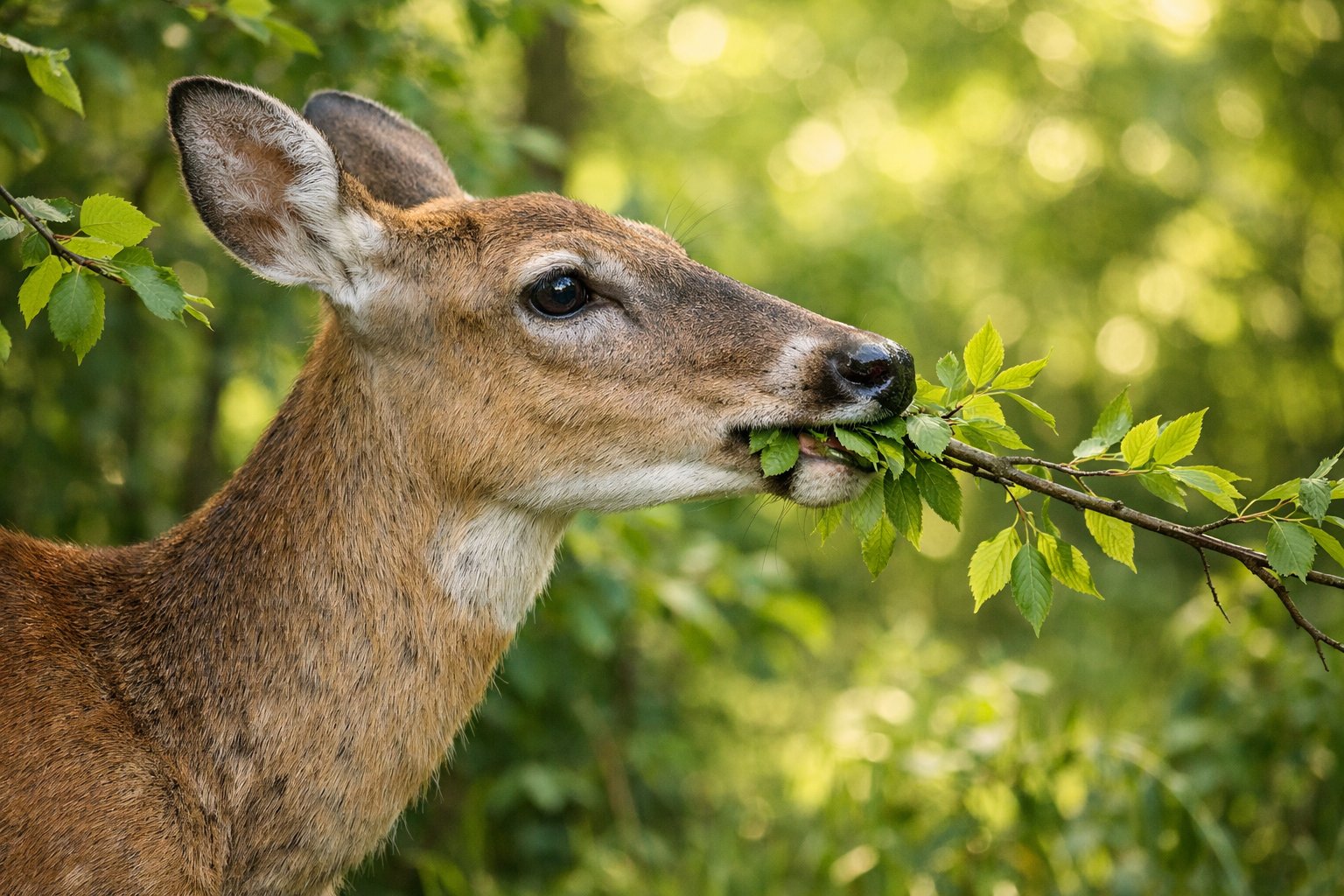
Seasons really shake things up for deer. Spring greens and summer forbs help them grow, but when fall hits, acorns and corn help them pack on fat for winter.
Let’s get into the details—what exactly do deer like most, and what shapes those choices? If you’re trying to manage your yard or property, this might help you plan better.
Favorite Foods Deer Love the Most

Deer aren’t picky, but they do eat a mix of plants that give them energy, protein, and fat. You’ll see them hanging out where food is easy to find—woodlands with nuts, fields with crops, and garden edges with soft greens.
Acorns and Other Nuts
Acorns shoot straight to the top of a deer’s fall menu. If they get to pick, deer go for white oak acorns since they’re sweeter and less bitter than red oak ones.
You’ll find deer spending hours under oaks, munching acorns to bulk up for winter.
They also eat beechnuts, chestnuts, and hickory nuts when they can. These nuts deliver lots of fat and calories, which is perfect for autumn.
Deer often come back to the same nut trees every year. If you’ve got oaks, hickories, or beeches, you’ll probably notice more deer in fall.
Grasses and Tender Leaves
Young grasses and tender leaves give deer easy-to-digest protein, especially in spring and early summer. They graze on lawns, meadows, and edges where the grass is soft.
Deer love new growth of clover, alfalfa, and forbs because these are loaded with protein.
When winter hits and grass gets scarce, deer start browsing on shrubs and woody plants. They strip buds and twigs from shrubs and small trees.
You’ll see them eat tender leaves from maples, dogwoods, and similar shrubs when there’s not much else.
If you want to bring deer in, plant clover or let wild meadows grow. If you’re trying to keep them away, it’s smart to protect your young shrubs and tree seedlings.
Fruits and Berries
Fruits and berries give deer a quick energy kick and some hydration. Apples, pears, and persimmons lure deer into orchards and backyards in late summer and fall.
Deer happily eat fallen fruit, especially once it softens up—overripe fruit is just easier to chew.
Wild berries like blackberries, raspberries, and wild grapes don’t last long once deer find them. Fruits help lactating does and growing fawns too, thanks to the sugar and water.
If you want to keep deer out of your fruit trees or berry patches, fencing or repellents work best. But if you’re hoping for a deer sighting, try putting a few apples or pears well away from busy paths.
Agricultural Crops
Corn, soybeans, and beans are like candy to deer, especially in late summer and fall. Corn gives them a fast energy burst and can draw deer from far away.
Soybeans and young bean plants are loaded with protein, so deer often hit crop fields hard.
Alfalfa and clover fields attract deer because they’re easy to digest and high in protein. Farmers sometimes have a tough time with deer damage in these crops at night.
If you’re managing land, rotating food plots or placing them near cover can help cut down on crop loss. Hunters sometimes use clover or rye plots to draw deer, but always check local rules before planting anything for hunting.
Key Factors That Influence Deer Food Preferences
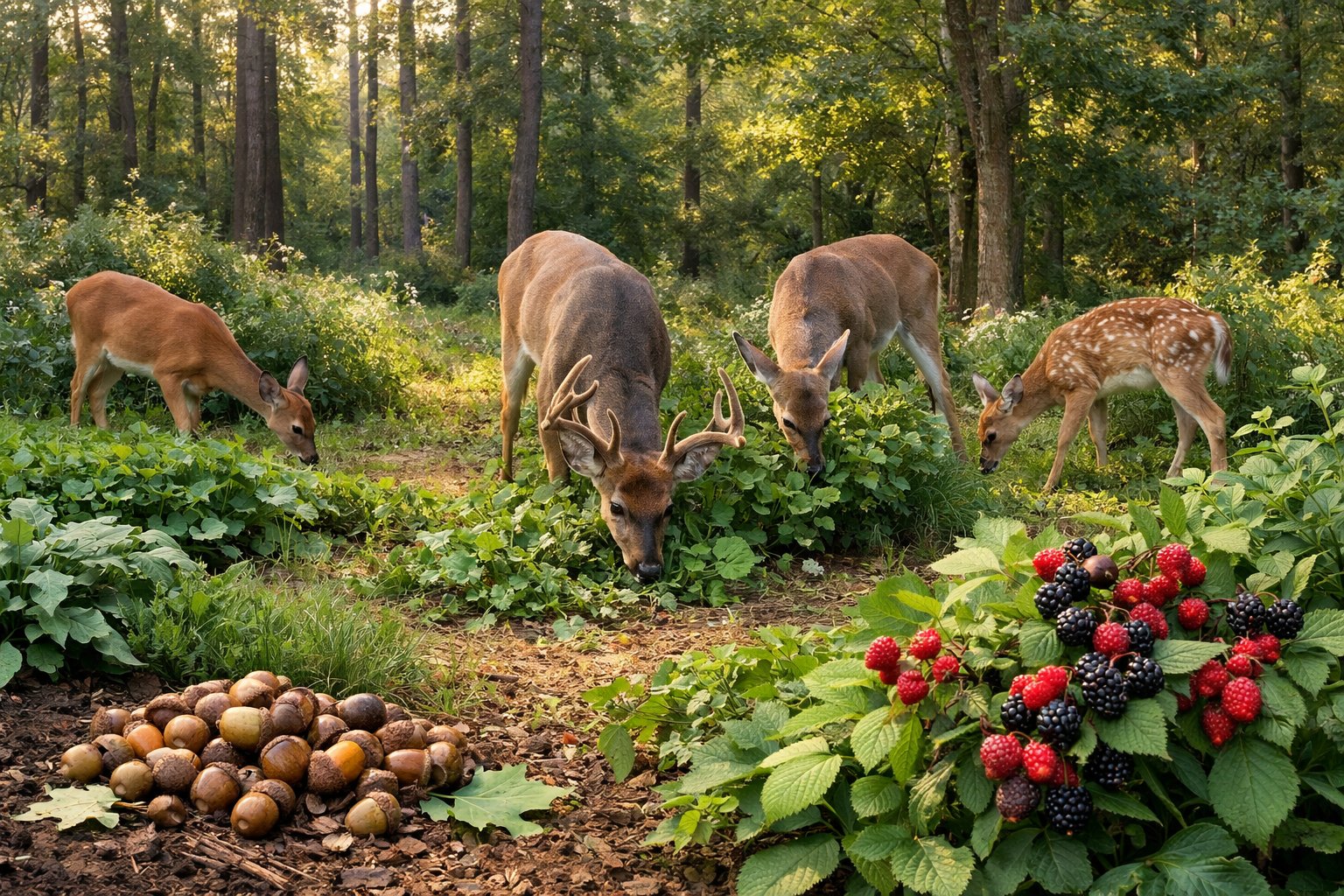
Deer choose foods that give them the most energy, protein, and are easy on their stomachs. Seasons, location, and available plants all play a part in what they eat—and that shapes their health and the habitat around them.
Seasonal Changes in Deer Diet
When spring and early summer roll around, deer zero in on high-protein, tender plants. They eat fresh shoots, clover, and young saplings—like maple and aspen—to rebuild after winter.
Lactating does and fawns need this protein most, so you’ll catch deer feeding at dawn and dusk when the greens are freshest.
In autumn, deer turn to energy-rich foods like acorns and other nuts to build up fat for winter. Soft fruits like apples and berries matter too, if they can find them.
Once winter arrives, woody browse becomes their main option. Deer munch on twigs, bark, lichen, and buds from willow, dogwood, and other shrubs to get by when green stuff is gone.
Their four-chambered stomach lets them digest nutrient-dense foods easily. When quality forage runs low, deer slow their metabolism and start eating more fibrous woody plants, which can affect their health and weight.
Regional Differences and Habitat
Where you live really changes what deer like to eat. In hardwood forests with lots of oaks, acorns rule the fall diet.
In areas near water, willow and dogwood give deer browse and cover all year. In farm country, crops like soybeans, corn, and clover change how and where deer feed.
Elevation and climate matter too. Northern white-tailed deer deal with longer winters, so they eat more bark and twigs.
Red deer and elk in open country rely more on grasses and forbs. If you manage land, planting clover or alfalfa can help nutrition, while leaving saplings and understory plants gives deer more to browse.
Human actions—like clearing land, putting up fences, or feeding deer—change how herds move and can increase crop damage. Wildlife managers try to balance food, deer health, and habitat quality to keep populations healthy.
Importance of Browse and Woody Plants
Woody browse really makes up the backbone of a deer’s winter diet. It’s also a key resource in spring.
Deer often strip bark from saplings and munch on twigs and buds from aspen, maple, and willow. Shrubs and low-hanging branches offer up minerals and fiber, especially when other food isn’t around.
If you want to see healthy forest regeneration, you should protect young trees and shrubs. When deer browse too heavily on saplings, future mast crops—like acorns—take a hit, and the forest loses diversity.
In places with a lot of deer, you might need tree guards or even manage herd sizes to stop overbrowsing. It’s not always easy, but it can make a big difference.
Browse quality really matters for deer health. High-fiber bark and woody stems aren’t easy for deer to ferment, so they usually go for the softer buds and leaves first.
If you want to support deer herds and keep forests healthy long-term, focus on good habitat management. Leave some understory, maintain mixed-age stands, and plant the browse species deer prefer.


