
You want to eat venison safely and actually enjoy it, right? If you spot a deer that looks sick, acts weird, or comes from a CWD hotspot, don’t eat it.
Skip meat from animals that look ill, test positive for chronic wasting disease, show spoilage, or were shot with lead ammo.
Let’s talk about spoilage, how hunting and butchering affect safety, and which parasites and contaminants really matter.
I’ll walk you through some practical steps so you can make quick decisions and keep your family safe.
Key Warning Signs and Diseases That Make Deer Unsafe to Eat
You need to spot clear warning signs before you eat venison.
Watch for odd behavior, visible sores, or swollen lymph nodes.
If anything seems wrong, call your state wildlife agency or get the animal tested.
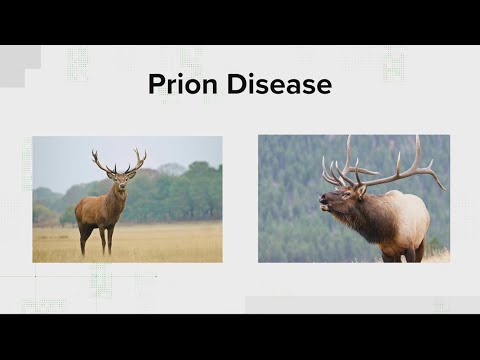
Recognizing Symptoms of Chronic Wasting Disease
Chronic wasting disease (CWD) hits deer, elk, and moose.
It slowly destroys brain tissue and causes weight loss, drooling, and weird movement.
You might see a deer that looks really skinny, has a rough coat, or moves funny.
CWD can show up as dull eyes, a lot of drooling, and a drooped head.
Prions gather in the brain, eyes, tonsils, spleen, and lymph nodes.
Don’t eat meat from animals with these symptoms.
If you hunt in a CWD area, test the animal before eating it.
Many state agencies offer free or cheap CWD testing during hunting season.
The CDC says to avoid meat from CWD-positive animals.
Other Wildlife Diseases and Their Warning Signs
Plenty of diseases make deer unsafe to eat.
Hemorrhagic disease (EHD/blue tongue) can cause swollen tongues, bleeding from the mouth or nose, and sudden death near water.
Don’t eat deer that died suddenly or are found near water during warm weather.
Bovine tuberculosis shows up as chest lesions, coughing, and swollen lymph nodes around the head and neck.
If you see weird lesions in the chest or pus-filled lymph nodes while field dressing, skip the meat.
Severe skin conditions or big open wounds raise the risk of bacteria.
Papillomas (those wart-like growths) usually don’t make meat unsafe, but wear gloves anyway.
Rabies in deer is rare, but if you see aggressive or super confused animals, don’t handle them.
Visible Abnormalities and Behavioral Red Flags
Look for these warning signs when you approach or dress a deer: extreme thinness, shaky walking, no fear of people, drooling, or odd-looking eyes.
These signs suggest a neurological problem or a serious infection.
Check the lymph nodes, spleen, liver, and lungs while field dressing.
If you spot weird lesions, pus, or a strong bad smell, the meat probably isn’t safe.
If you notice anything odd in the brain or spinal cord, don’t eat the meat.
When you’re unsure, keep the carcass cool and call your state wildlife agency for help.
Testing for diseases like CWD helps protect you and other hunters.
Environmental and Processing Risks: Contaminants, Parasites, and Safe Handling

Watch out for chemical contamination, lead fragments, parasites, and bacteria when you’re harvesting or buying deer.
Testing, careful field dressing, and thorough cooking help cut most risks.
PFAS, PFOS, and Chemical Contamination in Deer Meat
Per- and polyfluoroalkyl substances (PFAS), including PFOS, can build up in soil and water near factories, firefighting sites, or polluted wetlands.
If you hunt near these places, think about testing the meat or just avoid those areas.
Some state agencies post local warnings about PFAS in wild game.
PFAS build up in fatty tissues.
Trim off fat and organs like the liver and kidney, since they hold more chemicals.
Cooking or freezing won’t get rid of PFAS.
If you worry about exposure, follow local advice on testing and safe limits, and check if your state offers PFAS testing or warnings for wild game.
Lead Fragments and Poisoning from Ammunition
Lead bullets can shatter and leave tiny bits in the meat.
You won’t see every fragment.
Eating lead raises the risk of poisoning, especially for kids and pregnant people.
Use non-lead ammo if you can.
After field dressing, cut out tissue around the wound and toss any meat with visible fragments.
If you process your own meat, use a metal detector or X-ray if you have access, and let anyone eating the meat know where you shot it.
Health departments often warn about lead in venison when hunters use lead ammo.
Risks From Parasites and Bacterial Contamination
Deer sometimes carry parasites like Trichinella and Sarcocystis, and bacteria like E. coli, Salmonella, and Clostridium.
Cooking kills most parasites; bacteria are kept in check by cooling and clean handling.
If you find abscesses or strange lesions in muscle, don’t eat meat from those spots.
Skip meat from deer that looked sick, had big abscesses, or had unusual brain or spine damage.
Cook ground venison and roasts to 160°F (71°C) inside.
Keep raw meat at 40°F (4°C) or lower, and freeze at 0°F (-18°C) if you want to store it long-term.
If the meat gets slimy, smells bad, or looks weird, just throw it out.
Best Practices for Field Dressing and Meat Processing
Field dress right away to help the carcass cool down. I always throw on gloves and try my best not to puncture the gut, bladder, or spinal canal—nobody wants extra bacteria in their meat.
Remove the organs with care and do your best to keep the meat free from dirt, hair, or anything else you really don’t want to eat. Sharp, clean knives make a difference, and I use clean surfaces whenever possible.
Get the carcass on ice or into a fridge as soon as you can. Transport it in a clean, sanitary container—don’t just toss it in the back of the truck.
If you’re taking your meat to a commercial processor, double-check that they actually follow food-safety rules. Trim away any bruised or shot-up tissue, and make sure you label everything clearly.
If you hunted anywhere with possible contamination—like Clark’s Marsh or other PFAS hotspots—think twice before eating. Get your meat tested, or reach out to your state health agency if you’re unsure.


