
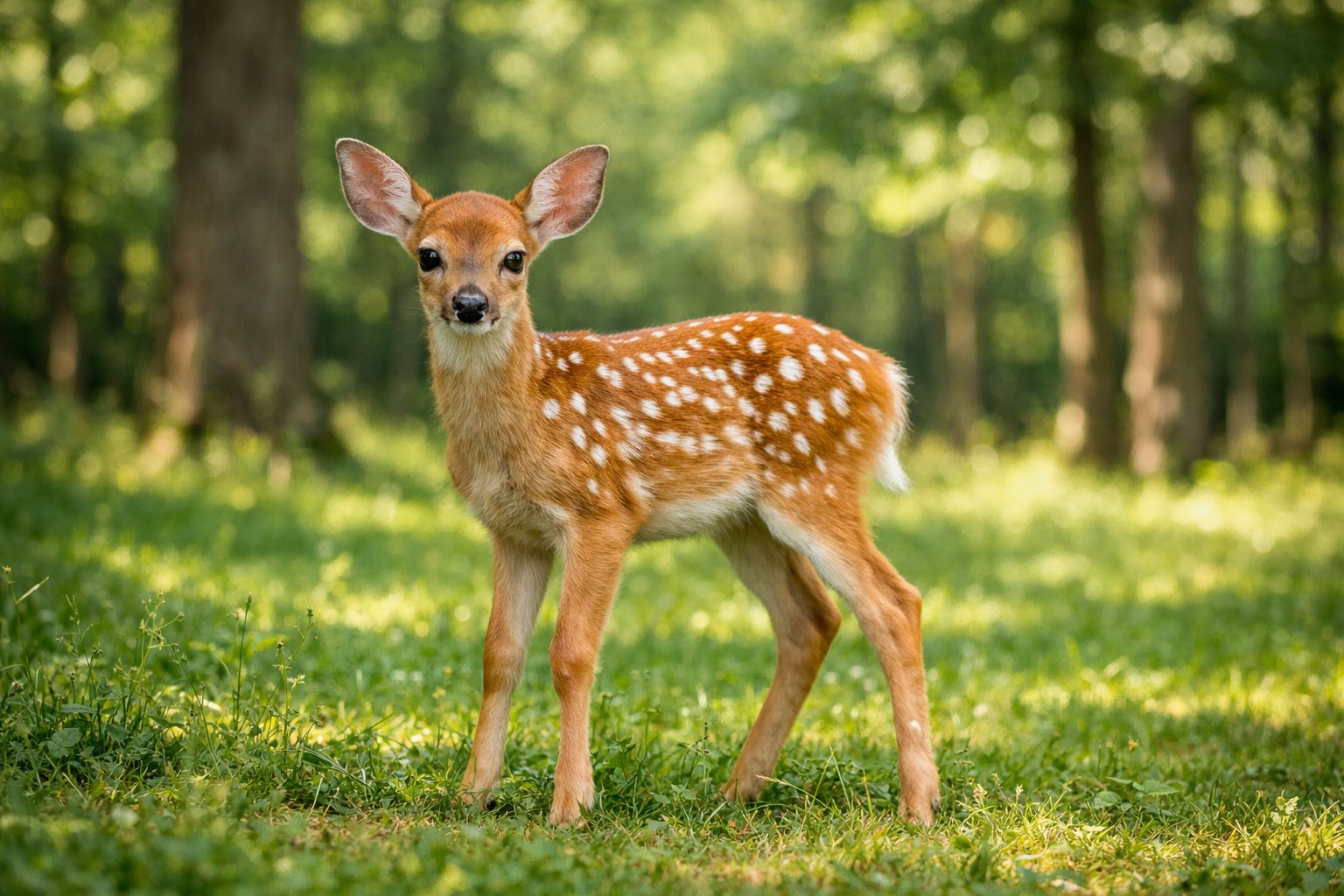
If you spot a tiny, spotted deer in a field, you probably want a quick answer: a baby deer is most commonly called a fawn. That simple name tells you a lot about the animal’s age and kind.
It also helps you talk about deer like a pro.
As you keep reading, you’ll find out why some species use different names. You’ll get a sense of how fawns behave and what to look for if you ever see one up close.
You’ll also pick up a few tips on telling age and sex—no need to disturb the animal.
What Do We Call a Deer Baby?
A baby deer usually goes by one simple name in everyday talk. Depending on the species and where you live, you might hear other terms too.
You’ll see one word most often, but some names pop up for bigger or less common deer.
Fawn: The Most Common Name
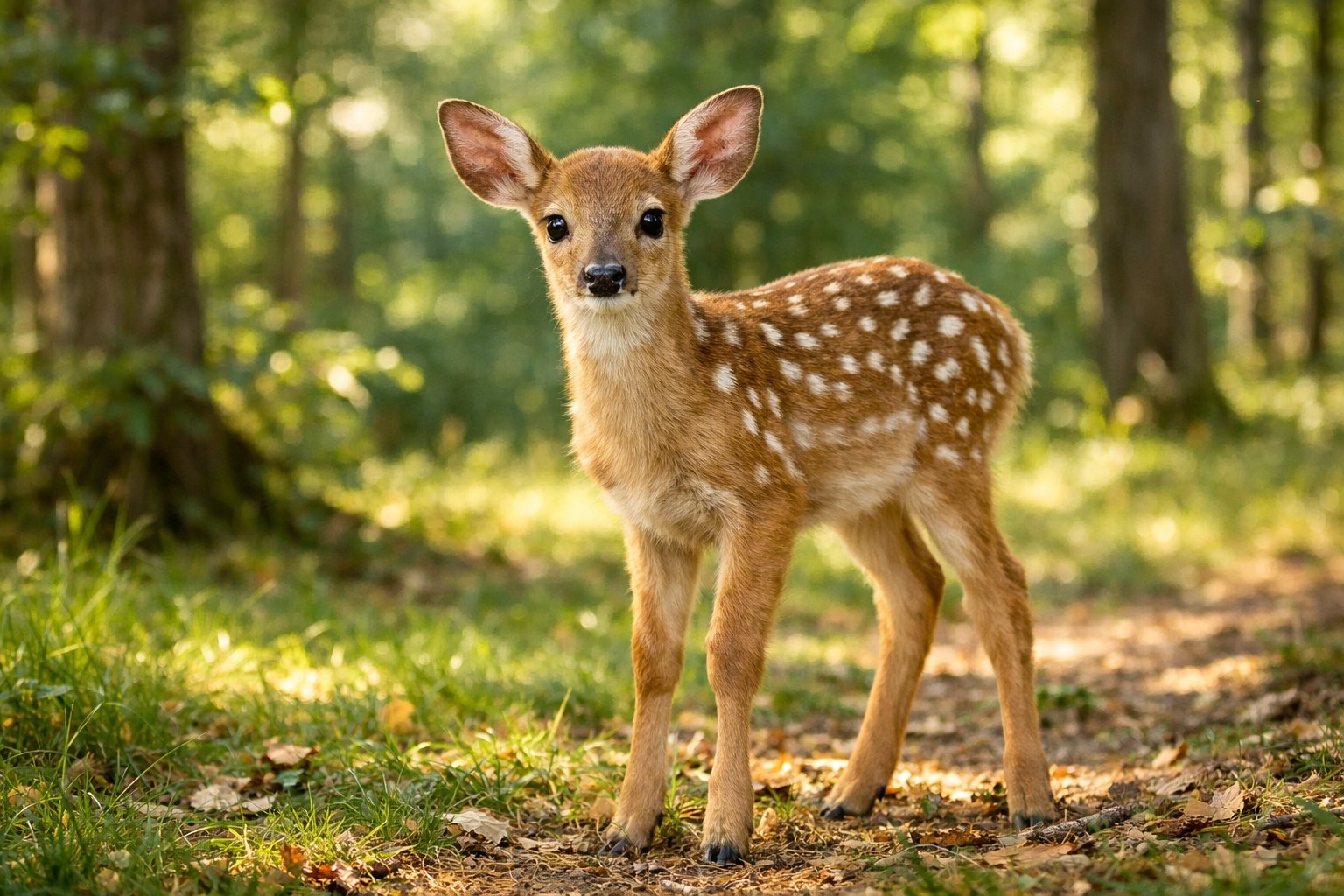
People almost always call a young deer a fawn, especially when talking about small and medium species like the white-tailed deer or roe deer.
Newborn fawns weigh around 4–9 pounds and have white spots that help them hide in grass and brush. The doe often leaves her fawn alone for hours, which lowers scent and keeps predators away.
After a few weeks, the fawn can stand and follow its mother. By three or four months, it starts losing its spots and munching on solid plants.
- Typical species: white-tailed deer, roe deer, muntjac
- Birth weight: about 2–4 kg (4–9 lb)
- Key traits: spotted coat, low scent, hidden early life
Other Names: Calf and Kid
For bigger deer, people usually say calf instead of fawn. Elk, moose, red deer, and reindeer babies are almost always called calves.
Sometimes you’ll hear kid, but that word usually means a baby goat. Folks might use kid in casual talk, but calf is the go-to for the big deer and matches what we call other large mammals.
- Calf: elk, moose, red deer, reindeer
- Kid: informal, occasional usage
- Why it matters: using the right word helps you talk clearly about deer size and species
Naming Differences by Deer Species
Different deer species stick to different naming traditions, usually based on size and biology. White-tailed deer fawns are classic “fawns” with their spotted coats.
Red deer and elk have bigger calves that are born heavier and grow up faster. Moose calves look different and wildlife guides always call them calves.
Roe deer use fawn, and reindeer calves follow the “calf” rule, moving with the herd soon after birth.
- White-tailed deer: fawn, spotted at birth
- Red deer / elk: calf, larger newborns
- Moose: calf, heavy and long-legged at birth
- Roe deer: fawn, small and well-camouflaged
Origins of Baby Deer Terminology
The word fawn comes from Old French faon, which traces back to Latin roots for a young animal. Calf shares roots with other big mammals and signals a bigger newborn.
Kid has roots in Old Norse and Old English, mostly tied to goats, which probably explains why it sounds informal for deer. Knowing these word origins can help you pick the right term when you write or talk about young deer.
- “Fawn”: Old French faon — used broadly for small/medium deer
- “Calf”: used for larger species and many big mammals
- “Kid”: informal, goat-related origin
Understanding Baby Deer and Their Life

Baby deer start life with unique traits that help them stay hidden and grow. Mothers nurse and protect fawns, and sometimes people step in through wildlife rehab or conservation.
Unique Traits and Adaptations
Fawns wear spotted coats that blend into grass, leaves, and the dappled sunlight. Those white spots break up their outline, making it harder for predators to spot them.
Newborn fawns also don’t have much scent for the first days, which keeps predators from finding the nest site. Fawns can stand and walk within an hour of birth.
Their legs look wobbly at first, but they can sprint surprisingly well within weeks. Young deer learn to freeze when danger’s close—a lifesaving habit since they can’t defend themselves yet.
Life Stages: From Fawn to Adult Deer
At birth, you call the little one a fawn. For the first few months, it relies on its mother’s milk and hides in tall grass while the doe feeds nearby.
By two to four months, the fawn starts grazing on plants and follows the doe more often. By one year, most fawns look like small adults.
Female deer (does or hinds) often breed at one to two years old. Males become bucks or stags, depending on species and age, and start growing antlers the next season.
Mother and Baby Deer: Roles and Care
The female deer, or doe, picks hidden spots for fawning. She leaves the newborn alone to keep scent low, returning a few times a day to nurse.
Nursing sessions are short but provide rich milk for fast growth. If you find a fawn that’s injured or truly abandoned, contact a local wildlife agency or licensed rehab center.
Rehab staff feed fawns on a schedule and limit human contact so they stay wild. Unless the fawn is clearly in danger, it’s best to leave it be.
Deer Babies in Wildlife and Conservation
You can actually help keep deer healthy if you drive carefully during fawning season, which usually runs from April to July in many places.
Supporting habitat conservation also makes a real difference.
Wildlife agencies keep an eye on deer populations.
They use that info to set hunting rules and manage herd sizes so the ecosystem doesn’t get out of whack.
Wildlife rehab centers step in to treat injured fawns—think car accidents or dog attacks.
Once those little ones can survive on their own, staff release them back into the wild.
Wildlife photography offers a chance to enjoy fawns up close, but without bothering them.
Hunters and conservationists lean on population data to make sure their practices stay sustainable.


