
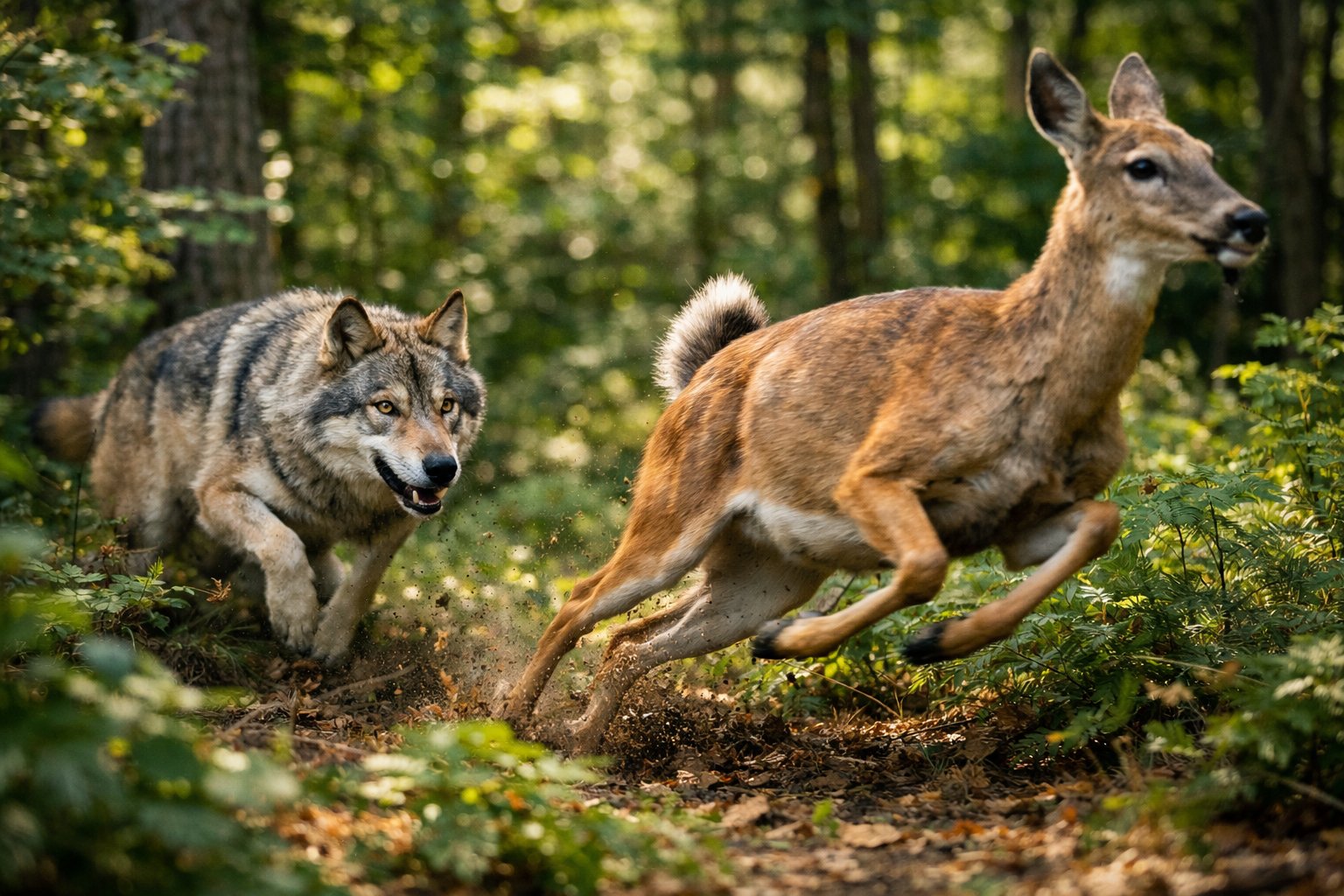
Big carnivores go after adult deer the most, while the smaller predators and scavengers usually stick to fawns or weaker animals. Wolves, mountain lions, and packs of coyotes are at the top of the list when it comes to animals that eat deer most often. Other predators jump in depending on the region and how many deer live there.
As you read on, you’ll see how each predator fits into the food chain and what that actually means for local ecosystems.
Deer species, herd size, and habitat all play a part in which animals end up preying on them most in your area.
Make sure you notice the differences between primary predators and other major animals that eat deer. It’s not always obvious who really controls deer numbers or why it matters for the bigger environmental picture.
Primary Predators That Eat Deer the Most
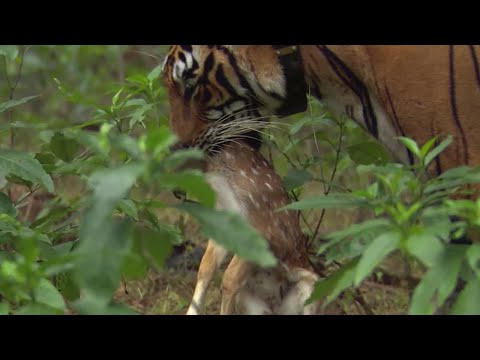
Let’s talk about which predators kill the most deer and why it even matters for deer numbers, hunting, and management.
The next parts break down how each predator causes deer deaths, which deer they go after, and what that means for populations and hunters.
Human Hunters and Deer Mortality
People actually cause the most deer deaths in North America every year. In the U.S. alone, state wildlife agencies say hunters take about 5 to 6 million white-tailed deer during regulated hunting seasons.
Hunters usually target adult bucks and yearlings, which helps managers set rules and keep populations healthy.
Hunting puts venison on the table and pays for conservation through license fees and taxes on gear. Regulations—like bag limits, seasons, and permits—shape how many deer get removed each year.
Deer mortality from hunters changes a lot by state. Texas, for example, often reports some of the highest numbers of harvested deer each year.
Wolves as Apex Deer Predators
Wolves play the biggest non-human role in killing deer across parts of North America. A single gray wolf might take down around 20 white-tailed deer per year on average.
Stable wolf packs working together can remove a lot of deer annually.
Wolves usually prefer fawns and weaker adults, but packs can bring down mature deer when they coordinate. Their hunting forces deer to change feeding times and avoid open spaces where wolves hunt.
Wolves focus on areas where deer gather, and their effect combines with hunting and other causes of death to shape deer populations.
Impact of Coyotes on Deer Populations
Coyotes have a major impact on fawn survival, especially right after birth. In a lot of places, coyotes kill a big chunk of newborn fawns.
Some studies show really high fawn loss where there are lots of coyotes. Coyotes take advantage of hidden, unattended fawns in tall grass or brush.
Coyotes don’t often kill adult deer, though they’ll scavenge gut piles or carcasses left by hunters. Sometimes, wildlife managers try to control coyote numbers to help fawn survival, but the results are hit or miss.
Their impact on deer populations depends on local conditions, including human hunting and habitat.
Bears: Opportunistic and Specialized Predators
Bears eat deer when the chance comes up and often go after fawns. In some areas, they’ll take adult deer too.
Both black bears and brown/grizzly bears feed on newborn fawns during spring and summer. Usually, bears look for easy meals—hiding fawns or injured deer—rather than chasing down healthy adults.
Bear predation increases where bear populations overlap with dense deer habitat. Bears also scavenge carcasses and gut piles left by hunters, which adds to their diet.
Managers pay attention to bear predation when looking at fawn survival, especially in places with more bears and plenty of white-tailed or mule deer.
Other Major Animals That Eat Deer

These animals attack deer in different ways. Some ambush adults, others pick off fawns, and a few just scavenge carcasses.
You’ll get a look at big cats, water predators, birds that scavenge or hunt, and some unusual mammals that go after deer.
Mountain Lions and Wild Cats
Mountain lions (cougars, Puma concolor) hunt alone and usually target adult deer. They sneak up to within a few dozen feet, then sprint and grab the deer with a strong bite to the throat or neck.
In the western U.S. and parts of Canada, a single mountain lion can kill several deer each year in its territory.
Bobcats and lynx focus more on fawns and smaller deer. Bobcats use cover to pounce on bedded fawns, while Canada lynx will go after weak or snowbound deer if their main prey is scarce.
Jaguars, found in the Southwest and Central America, can kill adult deer with a bone-crushing skull bite. Habitat makes a big difference here—steep, brushy, or forested areas favor these cats.
Alligators and Wetland Predators
American alligators hunt deer at the water’s edge in the Southeast. They wait underwater near crossings and then explode out to drag prey down.
Big males can take adult deer, while smaller alligators stick to fawns.
Wetland settings put deer at risk during droughts or when they cross rivers. If you’re in swamp country, keep an eye on where deer drink.
Crocodilians are the main water predators in these areas and sometimes cause more deer losses than you’d expect from their numbers. Alligator attacks go up in warm months when both deer and reptiles are active.
Birds of Prey and Scavengers
Large raptors rarely kill healthy adult deer, but they can take newborn fawns or eat small deer carcasses. Golden eagles and bald eagles have been seen killing or carrying off young deer in open or mountainous areas.
Hawks might grab tiny fawns if they get the chance.
Vultures and crows fill the scavenger role. Turkey vultures and black vultures find carcasses fast and clean up soft tissues.
You’ll spot them around roadkill, predator kills, or dead deer from natural causes—including elk and moose. They help recycle nutrients and sometimes hide kill sites that would otherwise attract other predators.
Wolverines, Hogs, and Less Common Predators
Wolverines are powerful, though you rarely see them. They scavenge or kill weakened deer, especially up north where the snow gets deep.
They’ll pick over carcasses left behind by wolves or mountain lions. Sometimes, they’ll even take young or injured deer on their own.
Wild hogs dig around for newborn fawns and will kill them, especially in farmlands and woodlots.
Feral or wild dogs—yeah, that includes both stray domestic dogs and those roaming in packs—chase and kill deer of any age. They often take down more than one and might not even eat what they kill.
Other predators pop up now and then. Leopards, in areas where they live, and a few opportunistic mammals, will feed on deer carcasses instead of hunting healthy adults.
If you manage land, keeping feral dogs and hogs in check can help cut down on fawn losses.


