
You might spot a deer and feel that quiet pull. There’s something about their graceful movement, those odd antlers, and the way they just seem to belong.
Deer matter because they shape habitats, feed predators, and connect people to the wild through culture and economy. It’s strange how those simple traits make deer so important.
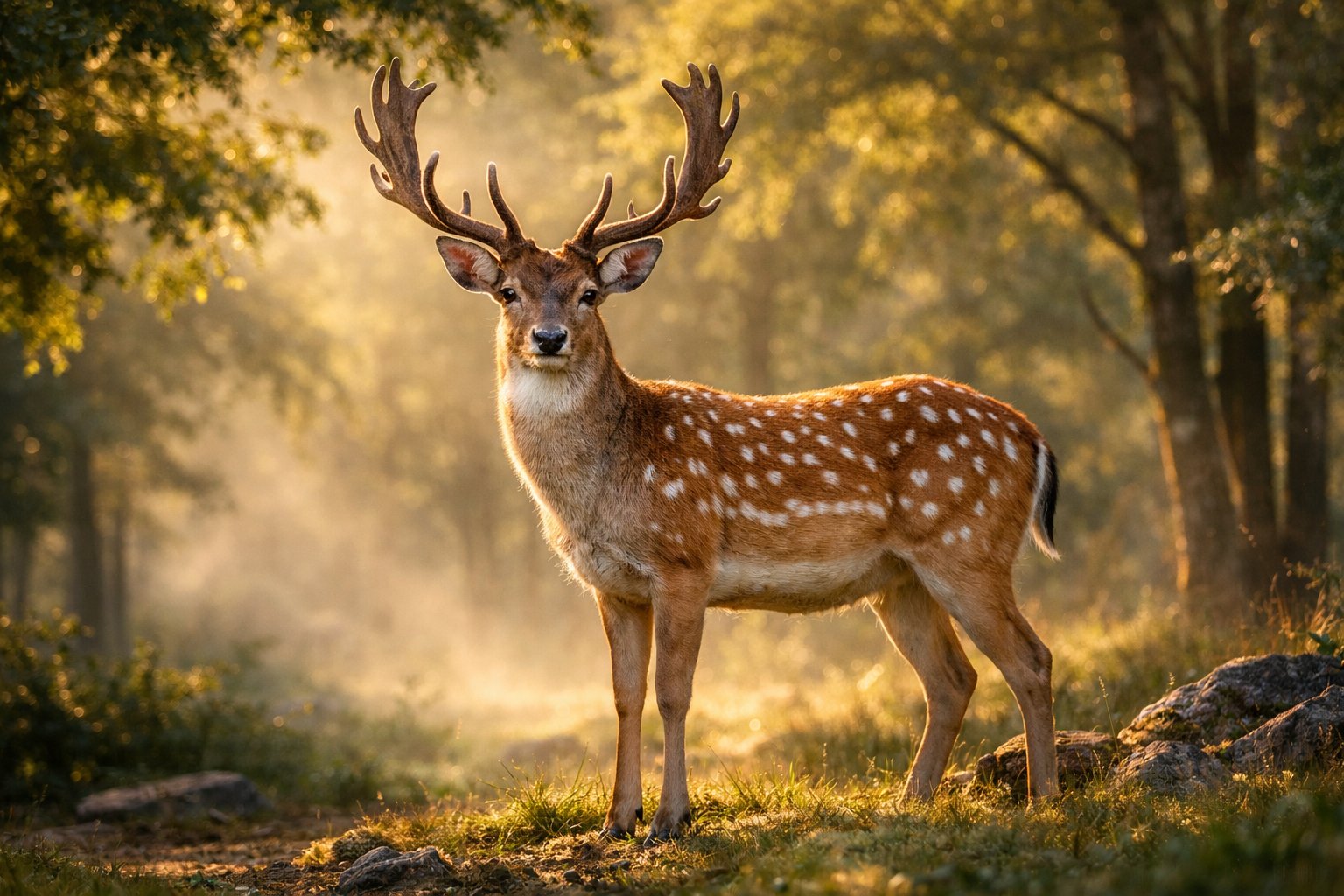
Let’s look at what makes deer stand out, from their antler cycles and sharp senses to their changing social lives.
You’ll also get a sense of how they survive, what threatens them, and why conservation still matters for your landscapes and communities.
What Makes Deer Unique?

Deer really stand out because of their variety, their effect on plants and predators, their growing and shedding antlers, and their clear body language and scents.
You’ll find details here about species size, how they eat, how antlers form and drop, and how deer send messages with scent, sound, and posture.
Incredible Diversity of Deer Species
Deer belong to the Cervidae family, which includes everything from tiny pudu to giant moose.
Maybe you’ll spot white-tailed deer or mule deer in North America, roe deer and sika deer in Europe and Asia, or caribou (reindeer) up in the tundra.
Some species are just odd: the Chinese water deer has tusks instead of antlers. The Irish elk, now extinct, once carried massive antlers.
Sizes jump all over the place. Northern pudu and southern pudu barely reach 30 inches tall, while moose can tower over 6 feet at the shoulder.
This size difference affects what they eat, where they live, and which predators go after them.
Most deer live in forests or grasslands, and their coats change color or thickness with the seasons for camouflage.
You’ll notice adaptations like long legs for running, wide hooves for soft ground, and compact bodies for slipping through brush.
Special Role as Keystone Herbivores
Deer shape plant communities wherever they roam.
As herbivores with four-chambered stomachs (rumen, reticulum, omasum, abomasum), they chew and digest tough grasses, leaves, and woody shoots by ruminating.
That constant nibbling and browsing controls shrub and tree growth.
If deer numbers get too high, they can eat so much that plant diversity drops and tree seedlings disappear.
Songbirds and small mammals lose shelter when understory plants vanish.
Predators like wolves and mountain lions rely on deer for food.
Wildlife managers use hunting and other tools to keep things balanced between deer, plants, and predators.
You might notice forests recovering or staying bare depending on just how many deer stick around.
Remarkable Antlers and Velvet
Most male deer, or bucks, grow antlers every year.
Antlers start under a soft, fuzzy skin called velvet, which brings in blood and nutrients while they grow.
Once the bone hardens, bucks shed the velvet in late summer.
Antlers let bucks fight for mates and put on a show for does.
Antler shapes differ by species: white-tailed deer have branching antlers, while moose have broad, palmate racks.
Caribou are a bit odd—both males and females grow antlers.
Some species, like the Chinese water deer, swap antlers for tusks.
Antler size often hints at a buck’s age and health.
When antlers fall, they return minerals to the soil, which is kind of neat if you think about it.
Behavioral Patterns and Communication
Deer send messages in all sorts of ways.
Body language matters: white-tailed deer flash their tails to warn others, and some deer leap high (stotting or pronking) to show off to predators.
Bucks fight and display during the rut to win over mates.
Scent glands help deer mark their spot and signal if they’re ready to breed.
Their sense of smell is sharp, and it’s usually their first warning sign.
Their eyes catch movement well, especially at dawn and dusk, which is when they usually feed.
Deer make noise too: fawns bleat for their mothers, does grunt, and some species snort if there’s trouble.
Social life varies—a roe deer might go solo, while caribou travel in big herds during migration.
These habits shape how you see deer and how they fit into their world.
Deer Survival, Threats, and Conservation

Deer survive by relying on their instincts, flexible diets, and by sticking close to food and cover.
Predators and human actions both shape where deer live and how well they do.
Adaptations for Survival and Predator Evasion
Deer use sharp senses to dodge danger.
Their eyes sit on the sides of their heads, letting them spot movement almost everywhere.
Big ears swivel to pick up faint sounds, and their noses catch scents from far away.
Speed and agility save their lives—white-tailed deer can sprint and zigzag to escape.
Fawns rely on camouflage and staying still to avoid wolves, mountain lions, bears, and coyotes.
Adults might stand their ground if cornered, but usually, they slip into thick cover.
Seasonal changes push deer to adapt.
In winter, they grow thicker coats and switch to eating woody plants when grass is gone.
That flexible diet—grasses, leaves, buds, fruits—keeps them going in all sorts of places.
Deer Populations and Conservation Challenges
Deer populations are all over the place—some are booming, others are shrinking.
When people clear woods and fields, deer lose food, water, and the chance to mix genes.
You might notice too many deer where predators are rare, or too few where disease like chronic wasting disease spreads.
Human activity matters a lot.
Car accidents and unregulated hunting can drop deer numbers in some places.
Predators like wolves and coyotes naturally lower fawn survival, while mountain lions and bears sometimes take adults.
Endangered deer species face steeper odds when their habitats shrink or hunting gets out of hand.
Keeping habitats connected and protected helps deer populations stay healthy.
Check local wildlife reports if you want to know how deer are doing in your area.
Conservation Efforts and Management
Conservation relies on a bunch of practical tools. Wildlife agencies set hunting seasons and bag limits to avoid overharvest, and they use these funds for habitat projects. They want to keep herds at a healthy size, make sure there’s enough food, and cut down on disease.
Habitat preservation and restoration really matter. Some programs secure patches of forest, restore wetlands, or build travel corridors so deer can get from feeding to bedding areas. People in the community help too. They plant native browse and put up signs or crossings to reduce roadkill.
Science plays a big part in management. Biologists track population size, keep an eye on disease, and study how predators affect herds. Their research helps guide decisions.
You can get involved by following local hunting rules, donating to habitat work, or volunteering for restoration projects.
If you’re curious, check out The Institute for … (threat overview) and Biology Insights (habitat fragmentation effects) for more on threats and habitat fragmentation.


