
You might hear the clash of antlers in the woods and wonder what’s actually happening. When two male deer lock antlers and start pushing to prove dominance during breeding season, that’s called antler combat or sparring. This label gets right to the point—why they fight, and what they’re risking.
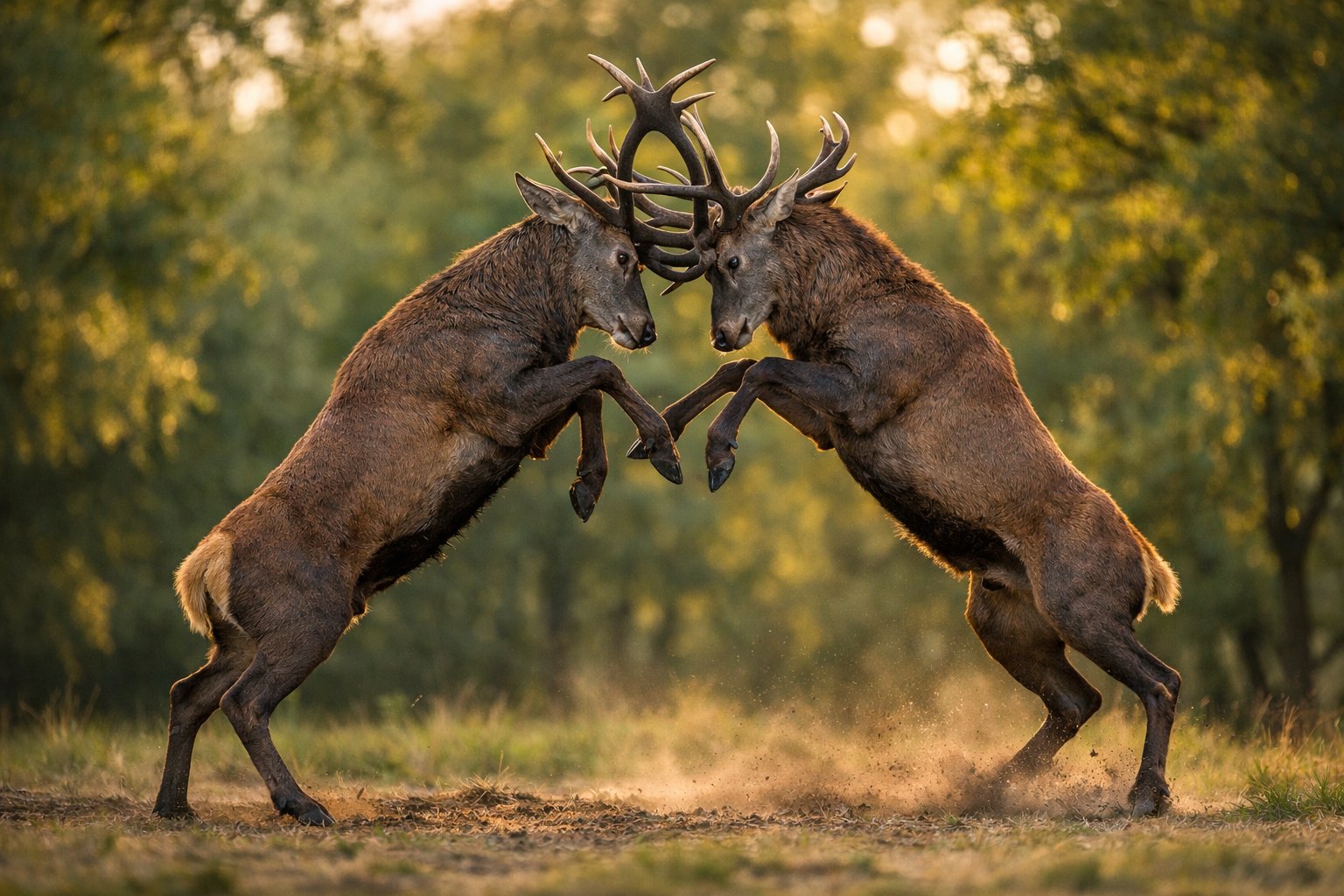
If you watch closely, you’ll notice how antlers shape every encounter. Some of these fights end quickly—one buck just gives up. Others drag on, testing strength, and sometimes you’ll see broken antlers or, though it’s rare, real injuries.
Antlers, age, and the rut all factor into who wins and why any of this matters in the first place.
What Is It Called When Two Deer Fight?

You’ll hear a few different names for deer fighting. People usually call it antler combat or sparring, depending on how serious things get.
Fights happen mostly during the rut, and bucks use both antlers and body moves to try and win.
Key Terminology: Antler Combat, Sparring, and Rutting
Antler combat literally means two male deer use their antlers to push, lock, or even flip each other. It’s a term for the real, forceful fights.
People also say “sparring” when bucks are just practicing or testing each other—usually younger males or those not quite ready for a full-on fight.
The rut is the breeding season. During this time, males chase does, make rubs, and fight other bucks.
When you see bucks locking antlers, that’s antler combat, and it’s all part of rutting behavior. If it looks brief or like practice, call it sparring.
When and Why Deer Fight: The Rutting Season
Deer fights ramp up during the rut, which is the main breeding window when bucks compete for does.
In North America, this usually runs from late September through December, but it depends on where you are.
You’ll notice more noise, chasing, and scent marking during this time.
The whole point is reproductive. Dominant bucks get access to does and defend their space.
Fights sort out which males are strongest. Winners get mating chances, and losers back off.
Sometimes bucks fight over space or food, but breeding competition drives the toughest clashes.
How Male Deer Fight: Locking Antlers and Techniques
Bucks face off, lower their heads, and lock antlers to test each other’s strength.
Once they’re locked in, they push and twist, trying to unbalance the other guy. Antlers interlock like levers, and the tines can catch and hold.
You’ll often see a push-and-hold pattern that just wears one buck down.
Sometimes, if locking antlers doesn’t settle it, bucks start flailing with their forelegs. They use neck and shoulder muscles to shove hard.
On rare occasions, antlers get stuck together. That can trap both animals, which is honestly a pretty grim outcome.
If you ever see this, it’s best to just watch from a distance and not get involved.
The Role of Antlers and Outcomes of Fights

Antlers work as tools for display, leverage, and testing strength. Fights end with a clear winner, a broken antler, or sometimes no real injury at all.
Who wins affects who gets to mate and which traits stick around in the herd.
Antler Structure and Size in Battles
Antlers grow from bony pedicles on the skull every year. Growth starts in spring, under the influence of hormones, and velvet covers them until they’re done.
Tines and beam length change with age, diet, and genetics. Older, well-fed bucks usually have bigger, more branched antlers.
Size and shape actually matter a lot. Longer beams give better reach, and more tines can help with locking or wedging during a fight.
Heavy antlers absorb more impact, so they’re good for pushing, but they take a lot of energy to grow.
You can usually link antler size to mating chances. Females and rival males both judge fitness based on antlers.
Injuries, Broken Antlers, and Dangers
Fights sometimes break antlers, cut skin, or cause bruises. Severe wounds and death don’t happen often, but they’re possible.
When antlers snap, sharp pieces can injure tissue, which might lead to infection or make it hard for the buck to eat later.
A broken antler also means a buck probably won’t compete as well that season.
Risks include blood loss and infection, especially right after the velvet sheds. Long fights drain energy, which makes bucks more vulnerable to cold and predators.
If you spot a wounded buck, you can expect he’ll have a tougher time staying dominant or finding mates that rut.
Sparring vs. Serious Fights
You’ll spot both playful sparring and intense battles during the rut.
Sparring pops up year-round among young bucks. It’s short, low-force, and more about learning technique than winning.
Bucks rattle and push softly, just testing each other’s reach and timing.
Serious fights happen when a receptive doe or territory is on the line. These bouts mean locking antlers, pushing, and wrestling backward.
Some matches last just a few minutes, but others can drag on for over an hour. The loser usually retreats.
It’s not just size that matters—technique, stamina, and antler design all play a part in who comes out on top.
Effect on Deer Population and Genetic Selection
Fighting outcomes directly shape which deer get to breed and which antler traits stick around. Bucks that win fights usually end up with more mating chances.
Genes for bigger, better-shaped antlers and greater stamina tend to spread because of this. It’s sexual selection in action—females and other males just can’t help but notice those traits.
Habitat and nutrition play a huge role at the population level. If food’s scarce, antlers don’t develop as well.
In those tough areas, bucks with smaller antlers might actually outnumber the rest. Over time, this shifts the average antler size and even changes how the whole population breeds.


