
You probably won’t ever have a deer chase you down. They just don’t do that very often.
Most deer that charge are scared, protecting their babies, or it’s rut season—they’re defending themselves, not hunting you.
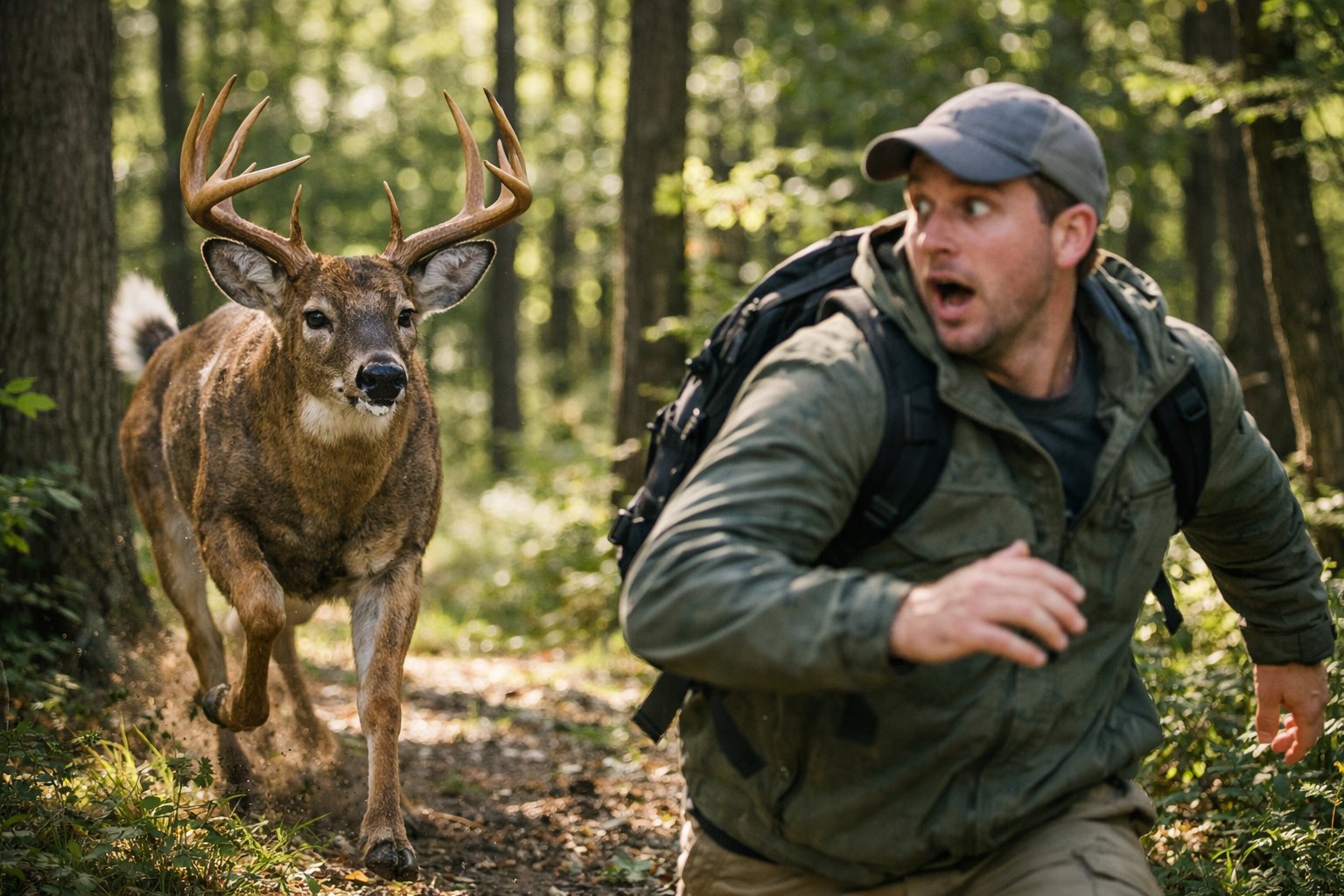
If you see a deer acting weird or blocking your path, try to stay calm. Just back away slowly.
Let’s dig into why deer sometimes get aggressive, when you should actually worry, and what you can do to avoid or handle a tense run-in.
Why and When Deer Might Chase or Attack Humans

Deer usually bolt at the first sign of people. But sometimes, in certain situations, they can get a little bold or even dangerous.
Knowing what sets them off can help you avoid waving at, feeding, or cornering them.
Aggressive Deer Behavior vs. Typical Flight Response
Deer almost always choose to run away when they spot people.
But if they feel trapped or threatened, they’ll show aggression—think stomping, snorting, or even short charges.
They’re just trying to scare you off, not hunt you. Most injuries happen when a deer lashes out with hooves or antlers in a close, defensive moment.
Pay attention to their body language. If you see ears pinned back, a lowered head, a raised tail, or repeated stomping, the deer feels threatened.
Back up slowly, keep your pets leashed, and let the deer have a way out. Running can make things worse—don’t do it.
Rutting Season: Increased Risk From Bucks
During the rut, bucks get a huge surge of testosterone. That makes them more territorial and aggressive.
You might see bucks chasing each other, sparring, or even charging if they think you’re in the way or a rival. Antlers can turn these encounters nasty.
Try not to approach or surprise bucks in the fall when rutting peaks. If a buck acts aggressive, put something solid—like a tree, car, or fence—between you and the deer.
Move away slowly. Don’t wave your arms or try to scare it off; that’ll probably just make things worse.
Protecting Their Young: Fawning Season
Does go all-out to protect their fawns in spring and early summer.
If you get too close to a hidden fawn, the mother might charge or follow you to push you away. It’s all about protecting her baby, not hunting.
If you spot a fawn alone, keep your distance and just watch. Don’t touch, feed, or wander around the area.
If a doe charges, calmly back away and leave so she can return to her fawn.
Only contact wildlife authorities if the fawn seems injured or truly abandoned.
Habituation and Loss of Fear Toward Humans
When people feed deer or let them get close, deer start losing their natural fear.
Habituated deer might stroll right up to your yard or patio looking for food. If you don’t give them any, they can get pushy or even aggressive.
This really ups the odds of a bad encounter.
Don’t feed deer, and make sure trash and pet food are secured. If deer keep coming to your place, try motion-activated lights, noise makers, or fencing.
If a deer gets aggressive, let your local wildlife officials know. Sometimes, they need to step in for everyone’s safety.
Want to know more? Check out guidance from experts like the National Deer Association (https://deerassociation.com/3-reasons-deer-attack-people).
How to Avoid and Respond to Aggressive Deer Encounters

Give deer plenty of space. Keep an eye out for warning signs and take some easy steps around your home and on trails to lower your risk.
Warning Signs Before a Deer Charges
Watch for a lowered head, ears pinned back, and a hard stare. Those are big red flags.
If you see snorting, hoof stomping, or teeth grinding, aggression is building.
During rut or near fawns, treat these signs as a real warning. Move away slowly and leave an escape route for the deer.
Don’t turn and run—sudden moves can trigger a chase.
Keep your pets leashed and your kids close. If you spot an injured deer, stay back and call your local wildlife agency instead of trying to help.
Best Practices to Prevent Deer Attacks
Don’t surprise deer—make some noise when you’re hiking. Talk, clap, or even wear a bell.
Stick to marked trails and keep at least 50 yards away from deer, especially during rut or in dense deer areas.
Never feed deer. Feeding them makes them lose their fear and get aggressive. Lock up your trash, compost, and birdseed to keep deer away from your yard.
If you’re out at dawn or dusk, wear bright colors and bring a friend. If you see a deer acting aggressive or sick, report it to your wildlife agency so they can keep tabs on the local population.
What to Do if a Deer Approaches or Charges
If a deer comes toward you, stay calm and back away slowly. Use a loud, firm voice and stretch your arms out to look bigger.
Put something between you and the deer—a jacket, backpack, or stick can help.
If the deer charges, try to get behind a tree, car, fence, or anything solid. If you can’t reach cover, run in a zigzag; deer aren’t great at sharp turns.
If you fall, curl up and protect your head and neck.
If you get hurt, get medical help for any puncture wounds and tell wildlife officials what happened, especially if the deer seemed sick or just plain off.
Deer Repellent and Deer-Resistant Landscaping
Try using repellents that specifically mention deer control on the label, especially for plants close to doors and walkways. I like to switch between scent-based sprays—think soap, garlic, or those commercial deer repellents—and taste-based products so the deer don’t get used to just one thing.
Remember to reapply after it rains. Always check the label for directions, since some products can be a bit particular.
If you’re planting, go for deer-resistant stuff like daffodils, yarrow, boxwood, or lavender. I usually stick these in borders or anywhere kids play, just for a little peace of mind.
Physical barriers work, too. Put up fences—at least 8 feet high, or try double-layered plantings if you want something less obvious. For young trees, trunk guards can help protect them from nibbling.
Mix things up: use repellents, plant resistant varieties, and set up barriers. If the deer still won’t quit, maybe call your local wildlife agency. They can suggest site-specific solutions or, if needed, safe removal options.


