
At first glance, deer and horses can look a bit alike, especially if you catch them from a distance. But if you dig into their family trees, you’ll see they split off ages ago. They both walk on hooves, sure, but deer are even-toed ungulates and horses are odd-toed. So, they’re more like distant evolutionary cousins than anything close.

If you’re curious, stick around. Their hooves, stomachs, and antlers all took different evolutionary paths, and those details change how they eat, move, and basically live their lives. This article digs into the biological and anatomical reasons for their split and what that actually means for each animal.
Are Deer Related to Horses? The Evolutionary Relationship
Deer and horses both started out as placental mammals with hooves, but they ended up on totally different evolutionary roads. If you look at their classification, fossil records, and DNA, you’ll see they’re distant cousins, not close relatives.
Taxonomic Differences: Cervidae vs. Equidae
Deer belong to the family Cervidae, which sits inside the order Artiodactyla—those are the even-toed ungulates. This family includes animals like white-tailed deer, moose, elk, and reindeer. Most cervids are ruminants with cloven hooves, and males usually grow antlers.
Horses, on the other hand, fit into the family Equidae in the order Perissodactyla—odd-toed ungulates. This group covers horses, zebras, and donkeys. They have one main toe per foot (that’s their hoof), a simple stomach, and teeth built for grazing.
Here are a few quick facts:
- Class: Mammalia (for both)
- Order: Artiodactyla (deer) vs. Perissodactyla (horses)
- Family: Cervidae vs. Equidae
- Adaptations: ruminant digestion and antlers for deer, single-hoofed feet and hindgut fermentation for horses
Common Ancestors and Evolutionary Paths
Both groups started with early placental mammals that branched out after the Paleocene. Their evolutionary split happened deep in the past—back during the Eocene to early Oligocene epochs. Fossils show that both lineages began with small, forest-dwelling ancestors.
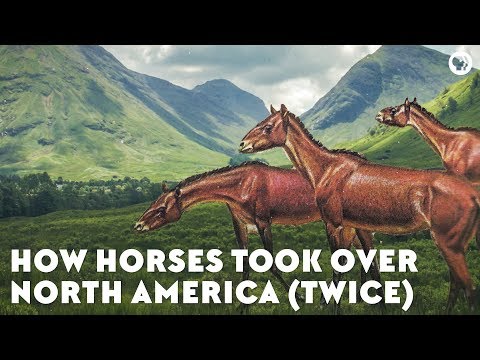
Deer lineages really took off in the Miocene. They evolved antlers and ruminant stomachs, adapting for browsing. Meanwhile, equid ancestors like Eohippus showed up in Eocene forests, then gradually adapted to open grasslands. They got bigger and developed a single toe for speed. These changes reflect how their diets and habitats pushed them in different directions.
Here’s a rough fossil timeline:
- Eocene: early hoofed mammals show up
- Miocene: modern deer types emerge
- Miocene–Pliocene: horses evolve toward their modern form
Key Genetic Distinctions
Genetic research backs up their distant relationship. Deer and horses don’t share recent chromosomes or much gene order. For example, many deer species have around 70 chromosomes, while horses usually have 64. That’s a pretty big gap, and it comes from millions of years evolving apart.
Molecular studies—using both mitochondrial and nuclear genes—put cervids and equids far apart on the mammal family tree. DNA analysis helps estimate when they split, usually tens of millions of years ago. Their genetic differences also show up in their traits: deer have genes for antler growth and ruminant digestion, while horses have genes for running and grazing.
If you want more details, check out this explanation about deer and horses being in the same family.
Biological and Anatomical Differences Between Deer and Horses

Deer and horses really differ when you look at their bodies, how they digest food, their headgear, and where they live. You’ll spot these contrasts in their hooves, stomachs, skulls, and habitats.
Hoof Structures: Cloven vs. Single Hooves
Deer have cloven hooves because they’re even-toed ungulates. Each foot has two main toes that can spread out a bit. That helps them walk quietly over leaves and handle rough, uneven ground.
Horses have just one big hoof per foot. That single hoof gives them solid support and lets them run fast over open land. It works as a shock absorber and a sturdy base for running.
Cloven hooves help deer grip and balance on tricky terrain. The single hoof lets horses run farther and faster. Their bones and muscles evolved to match how each animal moves.
Digestive Systems: Ruminants and Hindgut Fermenters
Deer digest food as ruminants with multi-chambered stomachs. They chew their food, swallow it, then bring it back up as cud to chew again. This system lets them break down tough plant fibers pretty well.
Horses have a single stomach and a big cecum, making them hindgut fermenters. They rely on microbes in their cecum and colon to digest cellulose. This setup helps them eat a lot of low-quality grass quickly.
Ruminants get more nutrients out of each bite, but they process food slowly. Hindgut fermenters like horses eat more and digest faster. Because of this, deer tend to browse on shrubs and leaves, while horses mostly graze on grasses.
Antlers, Horns, and Other Physical Traits
Male deer grow antlers made of bone, and they shed them every year. Antlers start as velvet-covered growths from the skull and are used for displays and fighting during mating season.
Horns are a different story—they’re permanent and found in animals like cows, not horses. Horses don’t have horns or antlers. Instead, they have long skulls, strong jaws, and long legs built for running.
You’ll also notice differences in their teeth and ears. Deer have molars shaped for browsing, while horses have high-crowned molars that grind grass. Deer ears are usually pointed and move easily; horse ears are bigger and can swivel to catch sounds.
Ecological Niches and Habitats
Deer hang out along forest edges, in woodlands, and mixed shrublands. You’ll spot them browsing leaves, twigs, or fruit—whatever’s handy, really.
Their bodies and digestive systems let them handle all sorts of patchy, unpredictable food. It’s kind of impressive how adaptable they are.
Horses, on the other hand, evolved for wide-open grasslands and plains. If you watch your horse, you’ll notice it prefers grasses and spends hours just grazing.
Their herd instincts, long legs, and tough hooves help them move across big distances and keep an eye out for predators.
These habits shape biodiversity and ecosystems in their own ways. When deer browse, they change the understory plant communities.
Horse grazing keeps grasslands open and helps move seeds around. Each animal’s niche ends up supporting different predators and plant life, which is pretty fascinating when you think about it.


