
Maybe you already call it a deer, but honestly, there’s a whole mix of names that fit depending on where you are, the animal’s age, or even its sex. People usually call a deer a member of the family Cervidae. But you’ll also hear buck or stag for males, doe or hind for females, and fawn for the young ones. This quick answer should help you figure out which term to use, whether you’re reading a field guide or just spotting one in the woods.
As you read on, you’ll see why these names matter in biology and everyday talk. I’ll toss in a few examples that show how regional habits and scientific labels shape what people call deer and their relatives.
What Is a Deer Also Called?

Deer sit in the Cervidae family and honestly, their names change with sex, age, species, or even the country you’re in. You’ll spot words like buck, doe, fawn, stag, and herd popping up in different places and for different kinds of deer.
Common Names for Deer by Age and Sex
Most people call a young deer a fawn, though sometimes you’ll hear calf, kid, or yearling—depends on where you are and how old the animal is. Fawn usually means a spotted youngster, like a white-tailed deer or a chital.
If the deer’s in its second year but not fully grown, it’s a yearling.
Adult females get called does or hinds. “Doe” fits for white-tailed deer, mule deer, and lots of New World species.
“Hind” is the pick for red deer and some Old World types like roe deer or fallow deer.
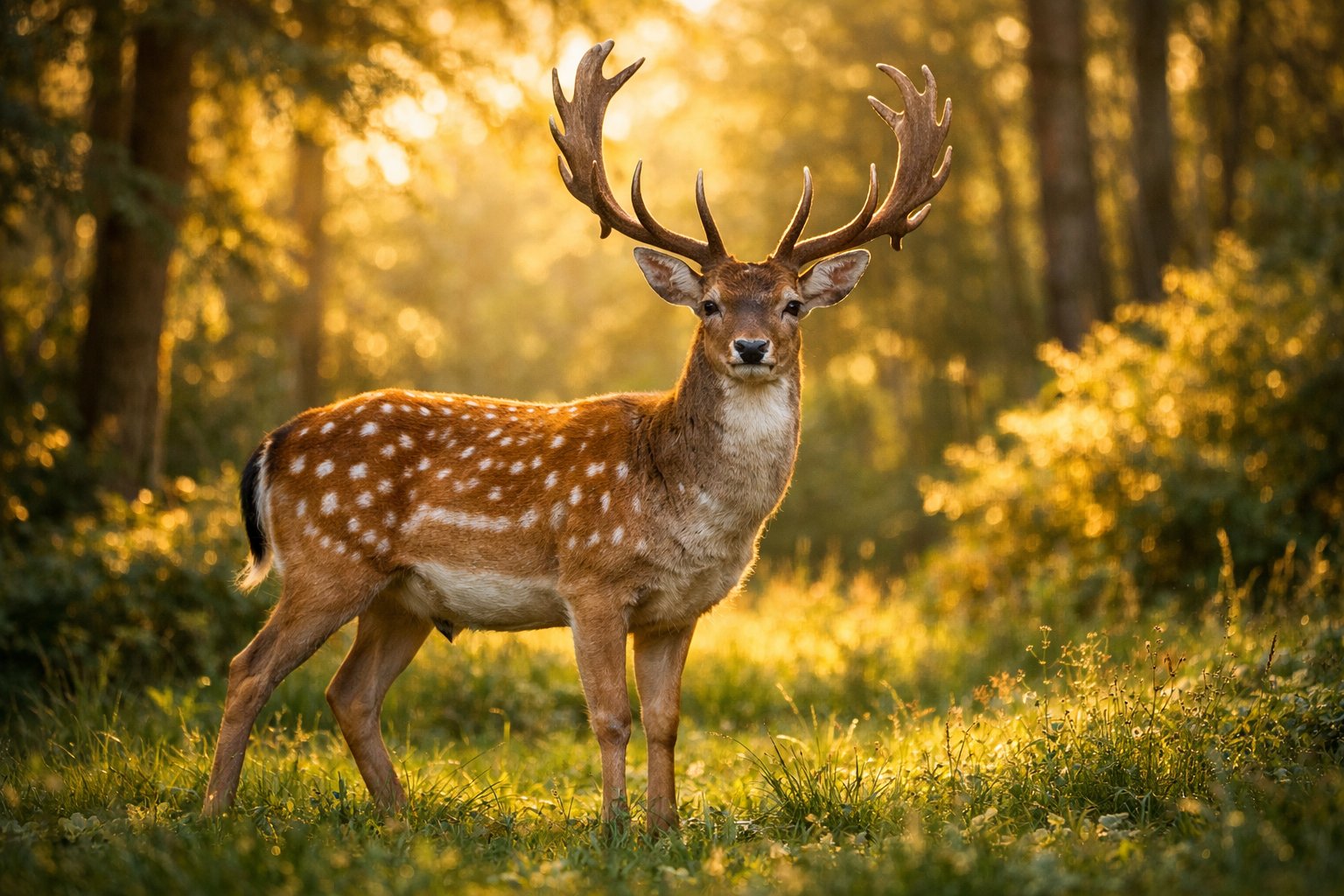
Males? That’s where it gets a bit tangled. People use buck for lots of species, stag for red deer and some European kinds, and bull for the big ones like moose or wapiti (elk).
Old-school words like hart (for a mature male red deer) still pop up in classic books, though most folks just say “male deer.”
Old English and Historical Terms for Deer
Back in Old English and medieval times, hunters tossed around words like hart, hind, and hartsheep. Hart meant a mature male red deer, especially in hunting stories and poetry.
You’ll see “hart” and “hind” in old place names or even ancient laws, which shows just how common those words once were.
“Stag” slipped into English from Norse and Latin roots, eventually becoming the usual word for male red deer in Britain.
These historical names still help if you’re reading old nature books or hunting tales.
Regional and Species-Based Name Variations
Different places and deer species bring even more names into the mix. In North America, Cervus canadensis goes by wapiti or elk, but in Europe, “elk” usually means moose (Alces alces).
Reindeer get called caribou in North America, and interestingly, female reindeer can have antlers too.
Each species can have its own nickname: white-tailed deer, mule deer, roe deer, sika deer, muntjac, water deer, fallow deer, and brocket deer. Local names include barasingha, chital (spotted deer), hog deer, tufted deer, plus those brocket types in the tropics.
When you’re talking about a group, “herd” is the go-to word. Some older or regional dialects use “parcel” or “mob,” but honestly, most people just say herd.
It helps to know the species and region to get the name right—so, call a male white-tailed deer a “buck,” not a “stall.” Use “stag” for a male red deer in Europe, and “bull” if you’re talking about moose or wapiti.
If you want to dig deeper into how scientists classify deer and the common names, check out Britannica’s overview of the deer family.
Scientific and Biological Context of Deer Names
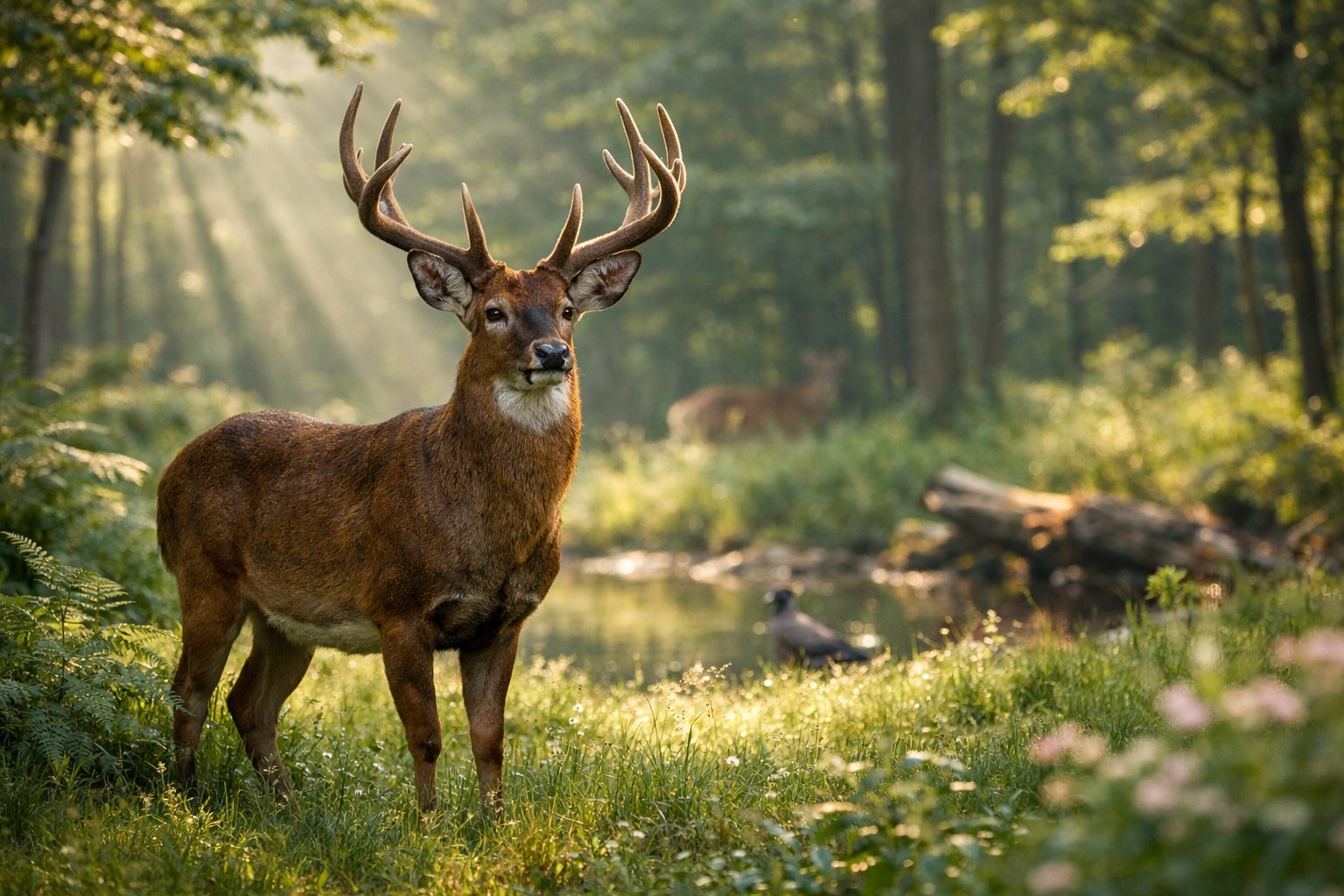
Deer names mix up scientific labels, physical traits, and local words that tell you what kind of animal you’re seeing and where it lives. You’ll run into formal family names, species names, and everyday terms that shift by sex, age, or region.
Deer Family Classification and Species
Deer sit in the family Cervidae, which is one of the hoofed, even-toed ungulates in the order Artiodactyla. That’s just a fancy way of saying they’re hoofed animals with a four-chambered stomach for digesting plants.
The family splits into two main branches: Cervinae (Old World deer) and Capreolinae (New World deer).
Examples? You’ve got Cervus (red deer and wapiti), Odocoileus (white-tailed deer), Rangifer (reindeer or caribou), and Alces (moose, which Europeans sometimes call elk).
You’ll find deer all over North America, South America, Europe, and Asia. Australia and Antarctica don’t have native deer.
Some species stick to mountains, like in the Atlas range, while others prefer forests, wetlands, or tundra. People use different names for different species—“true deer” or “cervids” both point to the same family.
Key Features: Antlers, Sexual Dimorphism, and Terminology
Antlers really set deer apart. Most males grow antlers from little bony bases called pedicles.
They start out covered in velvet, which later hardens into a full rack. Antlers grow during spring and summer, then the deer shed them after winter.
Males usually end up bigger and antlered, while females are smaller and don’t have antlers—except in species like reindeer, where females can have them too.
You’ll hear people use buck (male), doe (female), stag or hind (for some species), and fawn (young). Hunters and biologists toss around words like rack, points, and velvet to talk about antler condition.
Some deer, like muntjacs, have tusks instead of big antlers, so anatomy can really vary by species.
Deer in Culture, Language, and Regional Usage
Local language really shapes what people call deer. In North America, folks usually mean white-tailed or mule deer when they say “deer.”
Over in Europe, “stag” usually points to a male red deer. “Elk” there means Alces—that’s moose—which honestly can trip up anyone not from the area.
Indigenous and local names stick around too. “Wapiti” for Cervus canadensis? That one comes from Native words, and you’ll spot it in a few place names if you look.
People use words based on how they use deer or what they eat. Venison means the meat, and they call groups a herd or sometimes a mob.
You’ll hear terms for what deer eat: grasses, leaves, fruit, lichens. Wolves and other predators push deer to change how they move and gather.
Scientific names mix with everyday words. That blend helps you figure out which species you’re looking at, where they live, and what hunting or conservation rules apply.


