
You want to keep your garden safe, but you probably don’t want to feed every wild animal that strolls by. Deer usually avoid certain vegetables, strong-smelling herbs, and plants with tough or bitter leaves, so picking the right species can really cut down on damage and save you a lot of frustration.
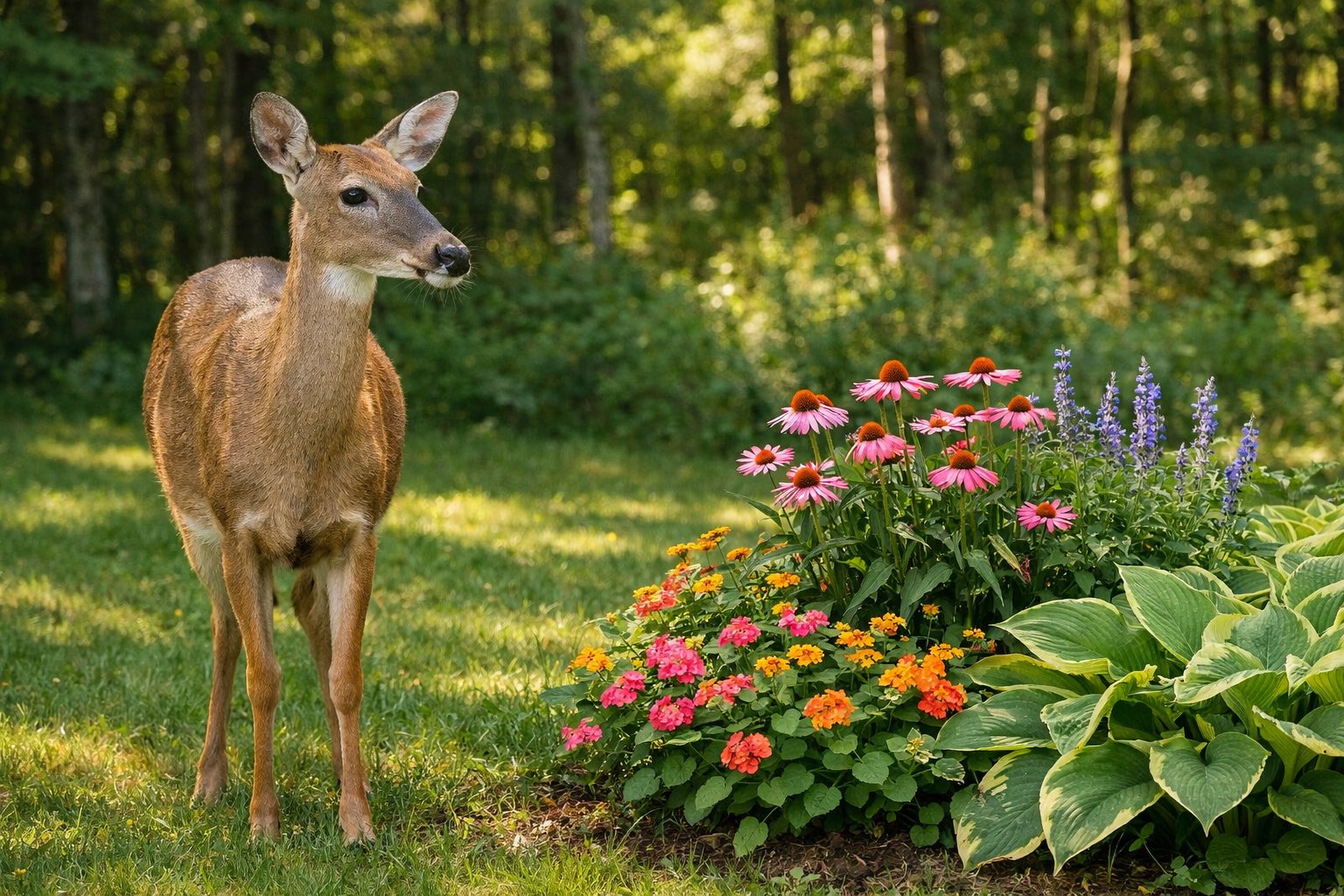
Here’s the key: Deer usually do not eat plants with strong scents, bitter tastes, or tough textures—think lavender, daffodils, and many herbs—so planting those lowers the chance of browsing.
Keep an eye on what your local deer are up to, and try mixing resistant plants with simple prevention tricks to protect your vegetables and flowers.
Key Vegetables and Plants Deer Avoid
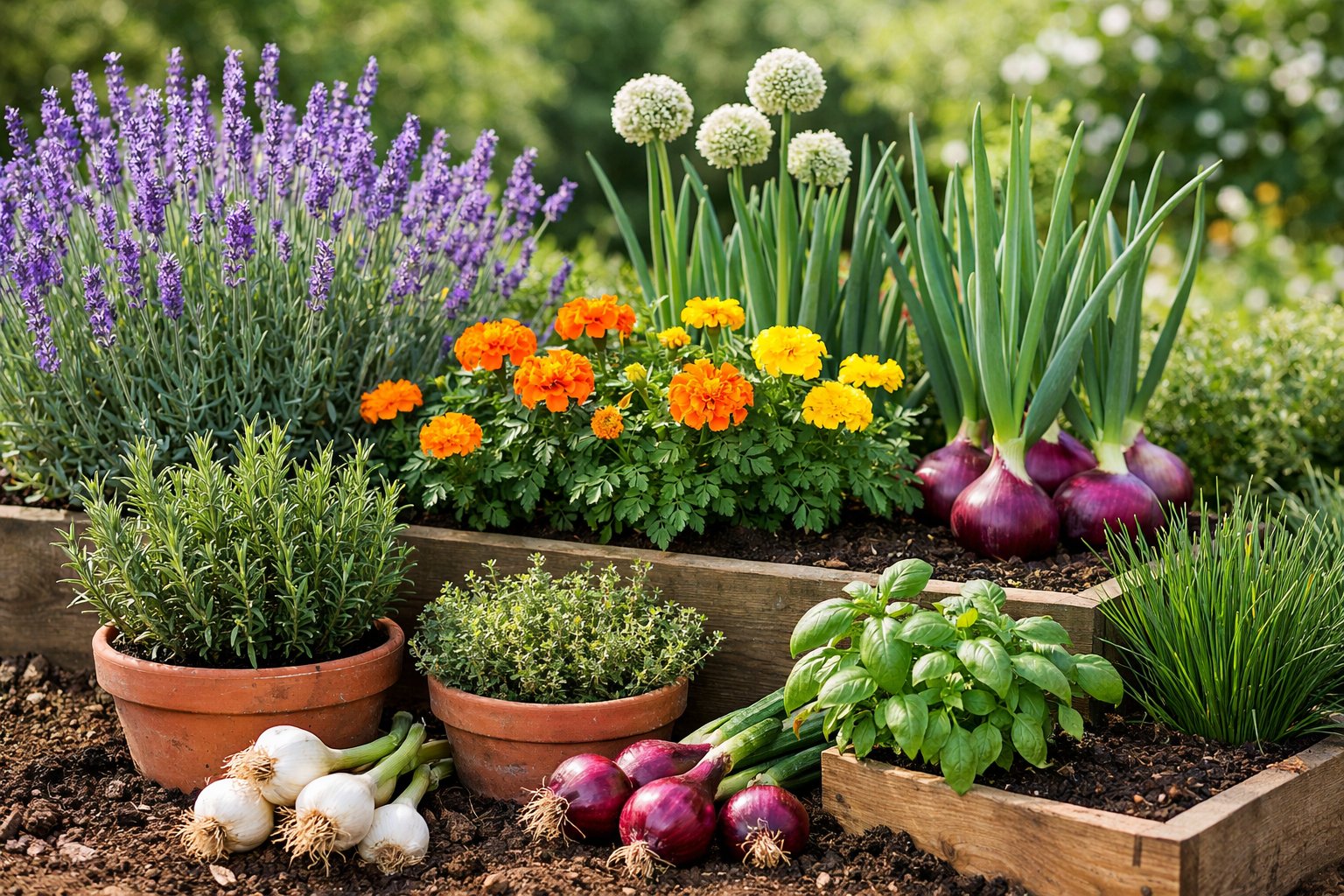
Deer shy away from strong smells, bitter flavors, toxic compounds, and tough or spiny textures. If you plant these kinds of vegetables, you’ll probably see less damage and keep your tender crops safer.
Allium Family: Onions, Garlic, Leeks, and Chives
Try using alliums as a basic deer deterrent. Onions, garlic, leeks, and chives release sulfur compounds when you cut or crush them.
Those funky odors and sharp flavors usually make deer turn up their noses at the leaves and bulbs.
Plant rows of garlic or chives between your more vulnerable beds to help mask the scent of nearby crops. Even so, deer might still trample during harvest season, so you’ll want to protect small seedlings with some low fencing or cloches.
Chives spread and flower, so you get extra ground cover and even some insect benefits.
You can also try companion planting: put garlic near carrots and lettuce to keep pests and deer away. Leeks and onions thrive in well-drained soil, and deer tend to ignore them once they’re established.
Nightshade Vegetables: Tomatoes, Eggplant, and Peppers
Nightshades like tomatoes, eggplant, and peppers have alkaloids that taste bitter and can be mildly toxic. Deer usually skip the leaves and stems of these plants.
Sometimes, though, deer will nibble ripe tomatoes or sweet peppers if they’re really hungry, so you may want to protect fruiting plants with netting when harvest time rolls around.
Eggplants have glossy, bitter fruit and fuzzy stems, which makes them even less appealing than leafy greens.
Hot peppers contain capsaicin, and that stuff strongly deters mammals—so planting hot varieties near your sweet peppers can lower browsing. Space your plants so stems dry out quickly; deer don’t like damp, smelly patches.
Root Vegetables and Underground Crops
Root crops like carrots, beets, radishes, and potatoes just aren’t that appealing because deer don’t dig much. Still, you should guard young seedlings and greens, since deer sometimes go for tender tops.
Beet and carrot foliage has a mild scent, but deer might eat it if they’re desperate. Radish tops are kind of hairy and not very tasty, which helps. Potatoes usually stay safe underground, and their leaves taste bitter since they’re in the nightshade family.
Give seedlings some quick cover—row covers or low fencing work—until roots get established. Plant deeper-rooting varieties and mulch to hide those edible parts and make things less tempting.
Prickly and Bitter Vegetables
Cucumbers, squash, zucchini, and certain gourds have hairy or prickly leaves plus bitter compounds that deer don’t like once the plants are mature. Of course, young shoots and vines can still get nibbled if food is scarce.
Cucumber leaves have subtle toxins and rough hairs, so deer generally pass them by. Squash and zucchini bounce back from minor nibbling because their mature leaves are tough.
Thorny or spiny gooseberry and some artichoke varieties help by adding a physical barrier.
If you rely on these crops, you’ll want to protect tender growth with short fences or even sacrificial plantings. Plant bitter or aromatic varieties along the garden’s edge to keep deer from reaching the softer stuff.
Deer-Resistant Herbs, Repellents, and Prevention

Try using strong-smelling herbs, thoughtful garden layout, and approved repellents to keep deer at bay. The way you place plants, set up barriers, and stick to a repellant schedule makes a big difference.
Aromatic Herbs That Deter Deer
Plant herbs with strong scents and rough textures along borders and near your most vulnerable plants. Rosemary, sage, and thyme all have oils that deer dislike, so put them in clumps at entry points or near young shrubs.
Mint spreads fast—maybe too fast—so grow it in pots to keep it from crowding out other herbs, but you’ll still get that scent barrier.
Mix up your herbs for year-round protection: rosemary and sage keep their aroma in cold weather, while thyme and mint fill in during spring and summer. Space the plants 12–24 inches apart so their foliage forms a solid scent line.
Give your herbs a regular trim to boost oil production and keep the scent strong.
If you want a deeper dive on herb choices and why deer avoid them, check out this list of aromatic herbs that repel deer.
Physical Barriers and Garden Design
Pick fences and layouts that actually match what deer do. Deer jump well—a single fence needs to be at least 8 feet high, or you can use a double-row fence with a 3–4 foot inner and 7–8 foot outer fence, spaced 6–10 feet apart.
For smaller spaces, try a 6-foot slanted fence angled outward to cut down on jump attempts.
Design your planting zones so deer-resistant herbs like rosemary and sage form the perimeter. Put young trees and shrubs inside fenced areas or cages made from 1-inch mesh.
Raised beds and wire covers help protect small crops. Keep things like bird feeders and fallen fruit away from garden edges, or you’ll just attract more deer.
Using Repellents and Deterrents
Try rotating repellents and stick to a schedule that actually works for you. Most commercial deer repellents—stuff like putrescent egg, garlic, or capsicum—seem to do the trick if you remember to reapply them after heavy rain.
In dry weather, spray the foliage every couple of weeks, maybe every two to four. If it rains, you’ll want to reapply within a week.
Some folks swear by home remedies with strong smells, like garlic, soap, or blood meal. Honestly, these need even more frequent reapplication, but they can help as a backup.
You might want to throw in motion-activated lights, sprinklers, or even noisemakers for an extra layer of non-chemical defense.
Before you use anything, check the product labels for wildlife safety and make sure you’re following local rules. Definitely don’t use toxic stuff near anything you plan to eat.


