
Most of the time, deer would rather bolt or vanish into the trees than mess with people. But, honestly, there are moments when they’ll turn aggressive and might hurt someone.
If a deer feels trapped, needs to protect a fawn, or it’s mating season, it might charge, kick, or swing its antlers at you.
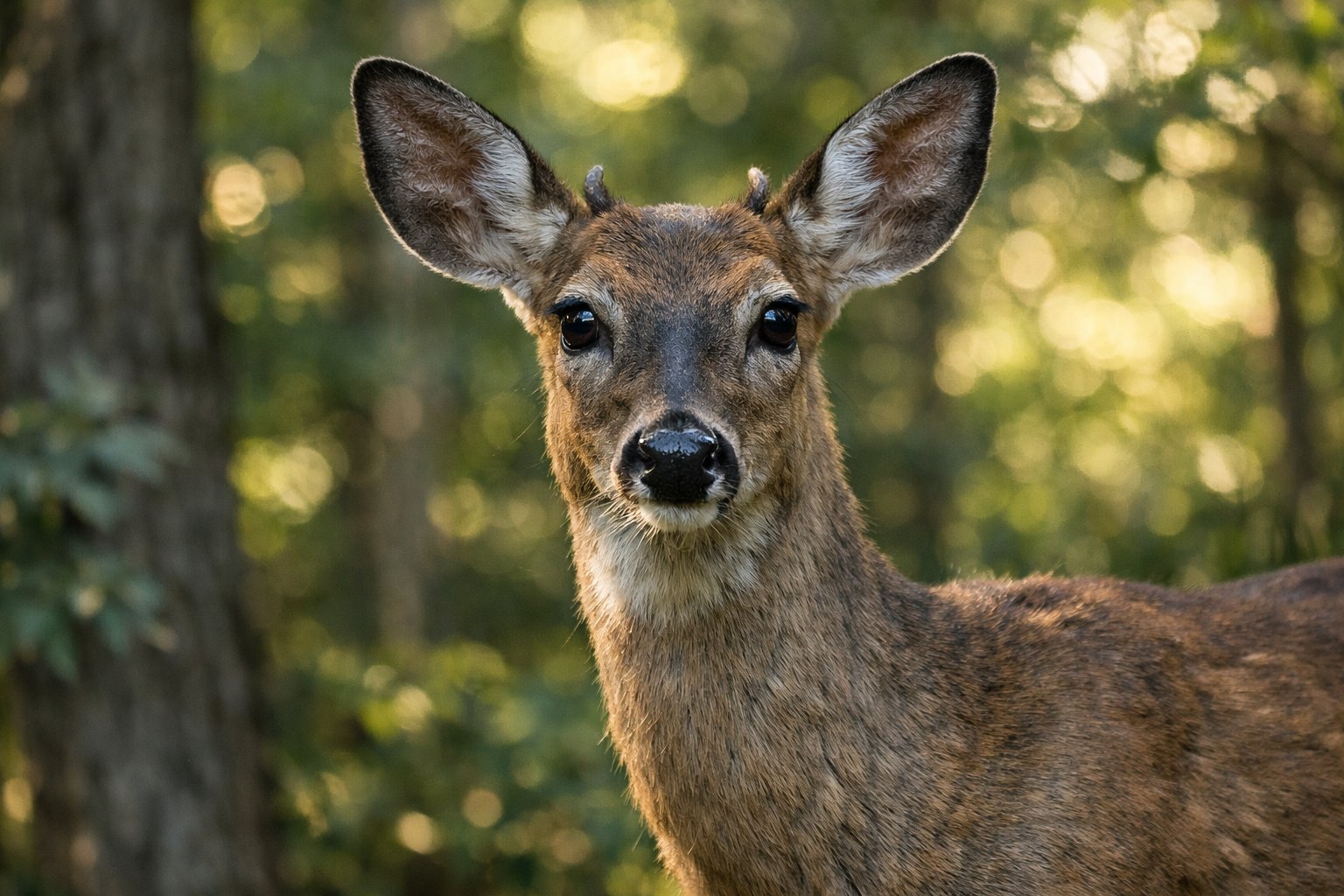
So why do those rare moments happen? And how can you spot the warning signs before anything goes sideways?
Let’s look at what triggers aggression and what you can actually do if you find yourself a little too close for comfort.
Reasons Deer Get Aggressive With Humans

Deer avoid people whenever possible, but there are a few scenarios where they just don’t. It helps to know when you’re at higher risk so you can back off before anything escalates.
Mating Season Aggression in Bucks
During the rut, bucks get wild chasing does and fighting off rivals. You might spot one lowering his head, stomping, or suddenly charging.
Those aren’t random attacks—they’re driven by hormones and competition. If you step between two bucks in a duel, or stand too close to a doe in heat, a buck might see you as a rival.
Antlers can do real damage. If you find yourself near an agitated buck, back away slowly and, if you can, put something solid between you and him.
Bucks sometimes lose their fear of people during the rut. That makes close encounters riskier, especially if you’re out on trails or even in your own yard.
Try to avoid walking near deer at dawn or dusk, since that’s when rut activity usually peaks.
Protective Behavior During Fawning Season
Does get fiercely protective when their fawns are tiny. If you get too close to a doe with a fawn, she might charge, kick, or ram you to defend her baby.
This risk is highest in late spring and early summer when fawns are most helpless. A doe will often stash her fawn in tall grass and might seem to ignore you at first.
But if you wander too close, she could attack to push you away. Always keep dogs on a leash and don’t try to “rescue” a fawn unless it’s clearly hurt.
If a doe turns aggressive, make yourself look bigger, speak in a calm voice, and back away slowly. Never run toward the fawn or try to pick it up—it’ll only make things worse for everyone.
Cornered or Injured Deer Responses
When a deer feels trapped, hurt, or sick, it might lash out because it can’t see a way to escape. If you approach an injured deer, it could charge or kick, even if you’re just trying to help.
Rabies in deer is rare, but if you see one acting strangely, definitely be cautious. If you find a deer caught in a fence or looking hurt, keep your distance and call local wildlife authorities.
Don’t try to free a trapped deer yourself—an injured animal can panic and hurt you. If you corner a deer, your best bet is to give it space to run away.
Step back, keep pets away, and avoid sudden moves. Let the pros handle rescues or sick animals.
Feeding and Habituated Deer
When people feed deer, intentionally or by accident, the animals start losing their natural fear of humans. Habituated deer might wander right into yards, parks, or up to people expecting food.
This can bring you face-to-face with bold bucks during the rut or protective does with fawns. Feeding deer ups your chance of getting bitten or hurt.
Stop feeding deer and lock up food sources like pet food, bird seed, and garden veggies. If a deer approaches looking for a snack, stay calm and don’t give it anything.
Head inside or get to your car. Remind neighbors not to feed wildlife, too—it helps keep everyone (including the deer) safer.
How to Recognize and Respond to Aggressive Deer
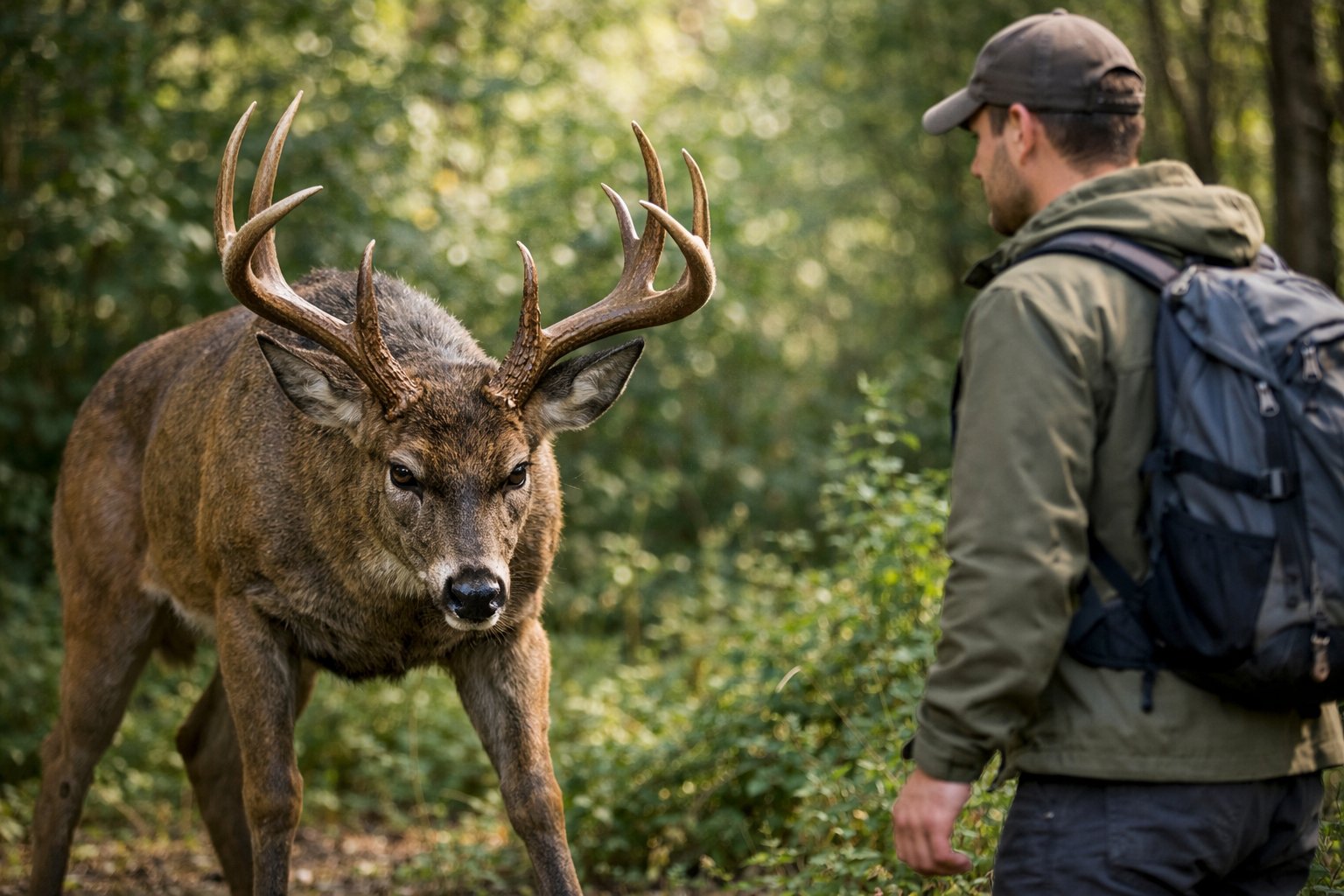
Watch for body language and stay alert. Sometimes, it’s the little things that warn you first.
If you spot the signs, you’ll know what to do before things get out of hand.
Warning Signs of Deer Aggression
Check out the deer’s posture and sounds. If it holds its head low, stares you down, or flattens its ears, that’s a threat.
Raised hair along the neck or back (hackles) and hoof stomping mean the deer feels cornered or ready to fight. Listen for snorting, grunting, or pawing at the ground.
Bucks that rub antlers on trees or scrape the dirt are marking territory and can get more aggressive during the rut. If a deer follows you or comes close to homes for food, it’s probably used to people and bolder than usual.
Keep kids and pets away. A doe with fawns gets extra defensive.
Notice where the deer could escape—if it feels trapped, it’s more likely to charge.
What to Do If a Deer Charges
First off, don’t run in a straight line. Try to put a solid object—like a car, fence, or even a tree—between you and the deer.
If you can’t reach cover, use anything handy (a backpack, jacket, or bike) to block the antlers. Make yourself look bigger by raising your arms and keep facing the deer as you back away slowly.
Shout firmly and stomp your feet; sometimes that’s enough to stop a charge. If you get knocked down, curl up, protect your head, and stay still until the deer leaves.
Check yourself for injuries afterward and get medical help if you have punctures or deep cuts. If you run into a deer acting aggressively or strangely, report it to your state wildlife agency.
Ways to Prevent Aggression and Stay Safe
Try to keep a safe distance—at least 50 yards—from any deer. When it’s rutting season, you’ll want to give them even more space.
Never feed deer. People who feed them only make deer more comfortable around humans, which can lead to aggressive behavior or even spread disease.
Remove anything that might attract deer from your yard. Lock up garbage, compost, and pet food.
You can set up motion-activated lights or sprinklers to keep deer away at night. Some folks also plant deer-resistant landscaping or use repellents, but always follow the label directions.
Teach your family a few basic rules. Keep dogs on leashes. Don’t corner deer, and if you see one, just back away slowly.
When you’re out on trails, make some noise so you don’t startle any deer. If you live in an area with lots of white-tailed deer, it’s smart to know when rut season happens and stay extra alert in the fall.


