
It might surprise you how many places actually serve deer meat as a regular dish. If you just want the quick answer: lots of countries eat venison — especially in parts of Europe, New Zealand, and certain U.S. regions where hunting or deer farming happens a lot.
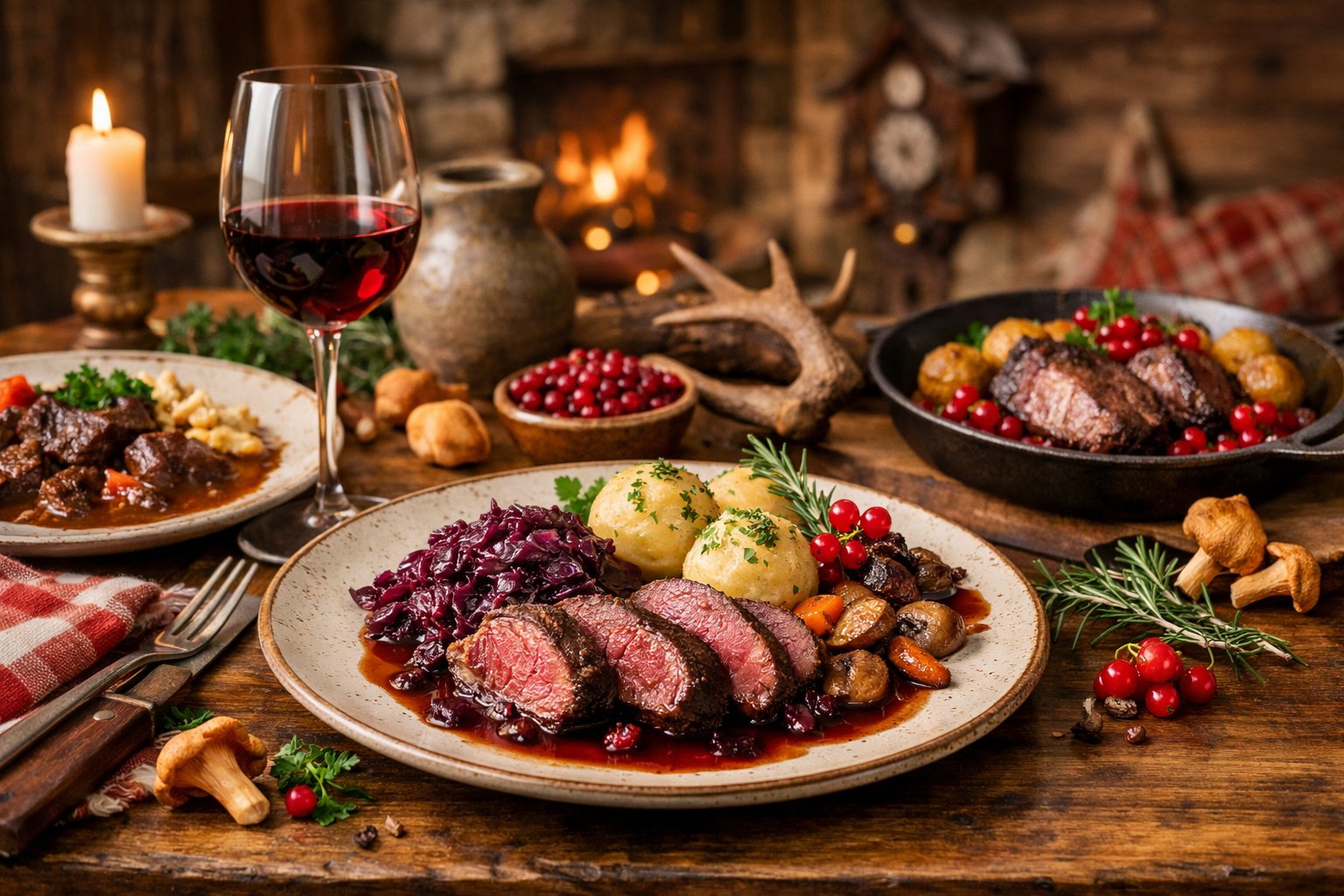
Let’s look at which countries have deep culinary traditions with venison.
You’ll see where it pops up on restaurant menus and how supply or laws make it easier or harder to buy.
Economics, hunting rules, and food safety all play a big role in where venison is common—and where it’s just not.
Countries Where Deer Meat Is Commonly Eaten

You’ll spot venison in supermarkets, restaurants, and on hunters’ tables in a bunch of countries.
People get it both from wild deer and from farms, but the rules and what’s available really depend on the country.
United States of America and North America
In the U.S., hunters supply most of the venison you’ll find outside specialty meat shops.
State hunting seasons and local game laws decide when and how people can take deer.
A lot of hunters process deer at home or use small local plants.
If you see venison at a grocery store, it probably comes from inspected facilities or gets imported.
In hunting-heavy states like Michigan, Wisconsin, Minnesota, and Pennsylvania, restaurants sometimes feature venison dishes during and after deer season.
Canada does something similar: both wild deer and farmed cervidae meat show up in certain regions, but the rules change by province.
Health rules matter too.
Some areas warn people not to eat meat from deer that act strangely, mostly due to worries about chronic wasting disease.
New Zealand and Venison Farming
New Zealand stands out as a big producer and exporter of farmed venison.
You can walk into many supermarkets and pick up venison, or find it on restaurant menus all over the country.
Farmers focus on red deer and related species, so the meat is usually consistent and gets inspected for export.
You’ll see packaged steaks, burgers, and fancy roasts, often priced not too far from beef.
New Zealand manages disease risks carefully and has tons of deer, so a lot of the venison sold in the U.S. and Europe actually comes from their farms—not the wild.
Europe: Switzerland and Other Nations
Europe’s got a long history with venison, and it still shows up in markets and on menus.
Countries like Switzerland, Germany, and Czechia often sell venison in butcher shops and supermarkets.
You’ll find roe, red, and fallow deer—sometimes fresh, sometimes in sausages or stews.
In England, venison used to have legal restrictions, but now people can buy it commercially.
Restaurants serve dishes like deer goulash or roasted venison.
Prices and supply shift around; some countries manage wild culling and farmed production to keep up with demand.
Asia and Other Regions
Venison consumption in Asia and elsewhere really depends on local culture and the law.
Japan and Mongolia include deer meat in some regional dishes or markets, especially where wild game is part of the tradition.
Indonesia and Myanmar have some local wild-game use, but legal and conservation rules can make it tricky to get.
Russia and Peru report venison in certain areas, mostly tied to hunting or indigenous diets.
In parts of Africa and South America, cervidae aren’t as common, so people eat other wild game instead.
If you plan to try venison in these places, you’ll want to check local regulations and health advisories first.
Deer Meat Consumption, Economics, and Legal Issues
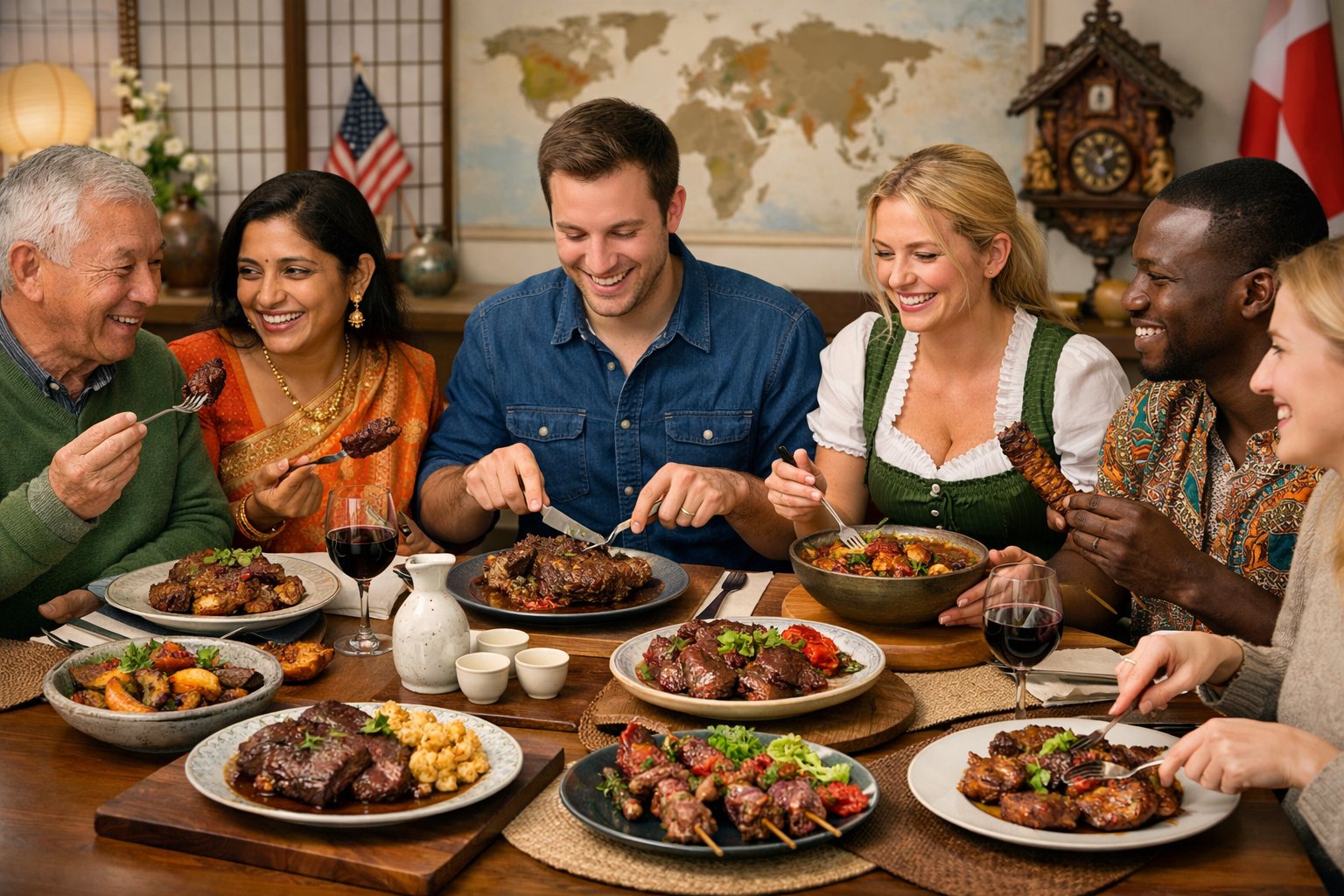
People eat deer meat for all sorts of reasons—culture, economics, even ecology.
Let’s see where it’s most popular, how laws affect sales, and what market forces do to supply and price.
Meat Consumption by Country
Countries with strong hunting traditions or big deer farms tend to have the most venison in formal markets.
Japan, especially Hokkaido, has a noticeable market for venison because they’re trying to control sika deer numbers and use venison as a substitute for other meats.
Many European countries, like Austria and France, work game meat into local diets and restaurant menus.
In North America, most venison gets eaten by hunters and their families, not sold in stores, since commercial sales are limited by law and processing options.
Even in places with high meat consumption, like those tracked by Our World in Data, people eat way more pork and beef than venison.
Venison’s per capita numbers are small, but in areas with lots of wild deer, it can still matter locally.
Deer Meat Bans and Regulations
Before you sell or serve wild-harvested deer, you really need to check local rules.
In much of the U.S., it’s illegal to sell wild-caught deer meat; only privately raised venison can go into commercial channels.
Some states hand out permits or set processing requirements for legal sales.
Other countries have strict hygiene and wildlife laws for game meat.
India protects many wild species, and selling wild deer meat is mostly banned.
These rules aim to stop disease, protect wildlife, and make sure meat can be traced back if there’s a problem.
Always follow both wildlife-management and food-safety rules in your area.
Economics and Global Trends
Deer meat economics really tie into hunting policy, deer population control, and this growing demand for niche meats. When governments decide to cull overabundant deer, venison sometimes shows up as a cheap supply—assuming there’s a way to process and distribute it.
You’ll spot local price premiums for venison in gourmet markets. That’s probably because of its lean profile and what folks see as health benefits.
Globally, pork still dominates by sheer volume and GNI-linked demand. Venison, on the other hand, just takes up a tiny slice of per capita meat consumption.
If farmed venison production keeps growing, and specialized supply chains get better, maybe its market share will climb—especially in countries that loosen up sale rules.
Economic models suggest venison can step in for pork or beef at the local level. But to make a real dent, the industry needs better infrastructure and some legal changes.


