
Ever wondered if a deer could clear your fence or trample your garden? Most deer can jump about eight feet, which is honestly kind of wild. Some—like white-tailed or mule deer—have been known to hit around twelve feet with a running start. If you’re trying to keep deer out, you’ll want a fence that’s at least 8 feet tall. Anything less and you’re probably out of luck.

Let’s dig into why deer make those crazy leaps and what’s actually pushing them to try. You’ll see how different species measure up, what gets a deer to attempt a high jump, and some real-world fence and deterrent ideas that work for regular yards.
How High Can Deer Jump?
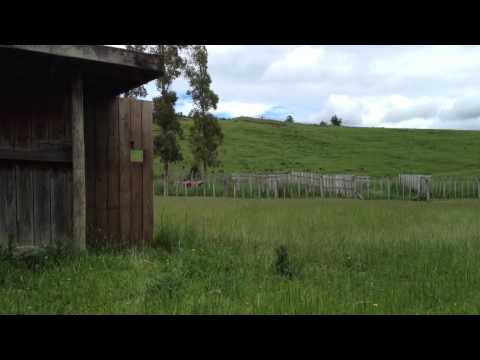
Deer can clear some pretty tall fences and gaps if they’re determined. Here’s what you need to know about typical jump heights, differences between species, and what a running start can do.
Typical Jump Heights and Distances
Most adult deer in North America can jump vertical barriers of about 6 to 8 feet if they really want to. White-tailed deer often clear 8 feet from a standing jump, and with a bit of speed, they can make it over 8–10 feet. In rare situations—usually when they’re running for their lives—people have seen them hit 12 feet.
When they’re moving horizontally, deer can cover 20–30 feet in a single bound if they’re running across flat ground. Mule deer and elk tend to go for long, bounding leaps instead of straight-up vertical jumps. If you want to keep deer out, an 8-foot fence is a solid starting point.
Jumping Ability by Deer Species
White-tailed deer (Odocoileus virginianus) have serious vertical power. You’ll see them jump high to get around obstacles in forests and even in neighborhoods. Mule deer (Odocoileus hemionus) prefer long, bounding jumps and can clear wide gaps more easily than they go straight up. Black-tailed deer act a lot like mule deer, just usually a bit smaller.
Red deer and elk are bigger and can make some powerful jumps, but their size means they’re more likely to go for long bounds than high verticals. Moose, on the other hand, are so tall they usually just step over things instead of leaping. If you’re planning a fence, think about which species you’re dealing with. Whitetails need tall single barriers, while in mule deer country, longer run-outs or double fences work better.
Running Start vs Standing Jump
A running start gives deer more momentum, so they jump higher and farther. From a standstill, a whitetail might hit about 8 feet vertically. Give that deer a 10–30 yard run-up, and it could reach 10–12 feet, though that’s not super common. The type of ground matters too—firm, flat surfaces give them the best launch.
If a deer hesitates or thinks the landing looks sketchy, it usually won’t try the jump. Visual barriers, angled tops, or double fences make them less likely to go for it. For gardeners, one 8-foot fence will stop a lot of deer, but if you add an outward-leaning top or a second, shorter fence a few feet away, you’ll have even better luck.
How High Can Baby Deer Jump?
Fawns pick up jumping skills pretty quickly. Within a few weeks of being born, they can get over little obstacles about 1–2 feet high as they follow their moms. After a few months, healthy fawns can almost match adults—often clearing 4–6 feet as they get stronger.
Young deer rely more on agility than brute strength. They learn by following their mothers and practicing those quick bounds. If a fawn isn’t healthy, it’ll have a tougher time with higher jumps. Spot some fawns near your fence? Don’t count on them staying small—they’ll get better at jumping soon enough.
Why Deer Jump and Ways to Keep Them Out

Deer jump fences to get food, escape threats, or just move between areas of cover. You can keep them out if you use the right fence height, type, and placement.
Reasons Deer Jump Fences and Obstacles
Deer jump when they spot food or mates on the other side, or if they feel threatened. Young deer and bucks during the rut tend to take bigger risks. If your garden’s full of fruit, hostas, or tasty shrubs, deer see a real reason to jump your fence.
They also use fences as travel routes if there are shrubs or trees on both sides. If they can’t see what’s on the other side, they’ll hesitate, but if it’s wide open, they’re more likely to try. If something scares them—a dog, sudden noise, or a predator—they’ll jump higher and more directly than usual.
You can make your yard less appealing by removing things that attract deer. Pick up fallen fruit, avoid planting their favorite snacks near your fence, and keep compost secure. Motion-activated lights or sprinklers near your plants can startle them before they even try to jump.
Recommended Deer Fence Heights
Most white-tailed deer can make it over 6–8 feet from a standstill and reach 10–12 feet if they get a running start. For real protection, build fences at least 8 feet tall, especially if you’ve got lots of deer in the area. If deer have a long runway, you might need to go up to 10 feet.
You can also set up two-tier fencing: one lower 4-foot fence plus a visible 4–5 foot mesh or barrier angled outward. This setup tricks deer into thinking the jump is higher than it is. If local bucks are known for clearing huge obstacles, check with your community or look at hunting reports before you finalize your fence height.
Always make sure the bottom of your fence is secure so deer can’t crawl under. In small yards where you can’t have tall fences, use shorter fences along with repellents, lights, and careful plant choices. That combo works better than a short fence on its own.
Types of Effective Deer Fencing
Woven wire deer fencing with 3–4 inch mesh does the job when you build it at least 8 feet high. It holds up well and keeps deer from forcing open a gap.
Use sturdy posts, and make sure you secure the bottom tight to the ground. That way, deer can’t push under or crawl through.
Some people go with electric fence options, like high-tension poly tape or a single charged wire. If you put a visible electric tape at chest height and add a lower electrified strand, deer usually won’t risk the jump after a shock.
Just remember, electric fences need steady power and someone to check on them regularly. It’s not really a set-it-and-forget-it solution.
Visual barriers, like solid wood or vinyl panels, make deer hesitate because they can’t see where they’ll land. Slanted or outward-leaning fences look harder to clear, so deer often back off.
Pick the style that fits your yard, budget, and honestly, how stubborn your local deer get.
If you want more details about jump heights and extra fencing tips, check out this detailed guide on how high deer can jump.


