
You want deer to stay out of your garden or off your trail. Deer get spooked by sudden noises, weird smells, quick movements, and anything that hints at predators—basically, stuff that screams danger to them.
Loud or odd sounds, unfamiliar scents, and visible threats make deer bolt.
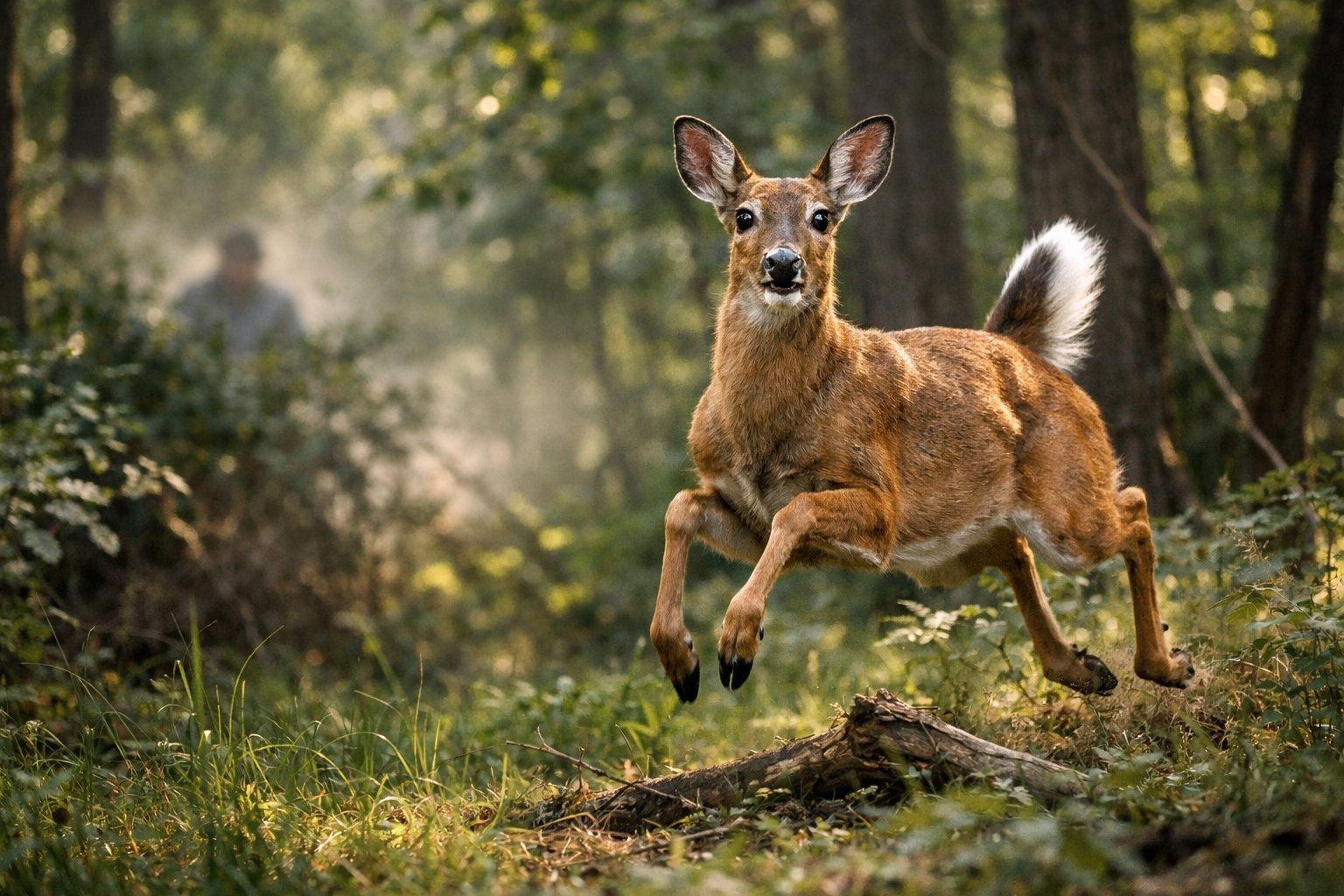
If you know what sets them off, you can pick better deterrents and actually protect your plants, property, or just your peace and quiet outside.
This article breaks down the main things that scare deer and gives you practical ways to use noise, scent, motion, and barriers—so you can keep deer away without hurting them.
Top Factors That Scare Deer
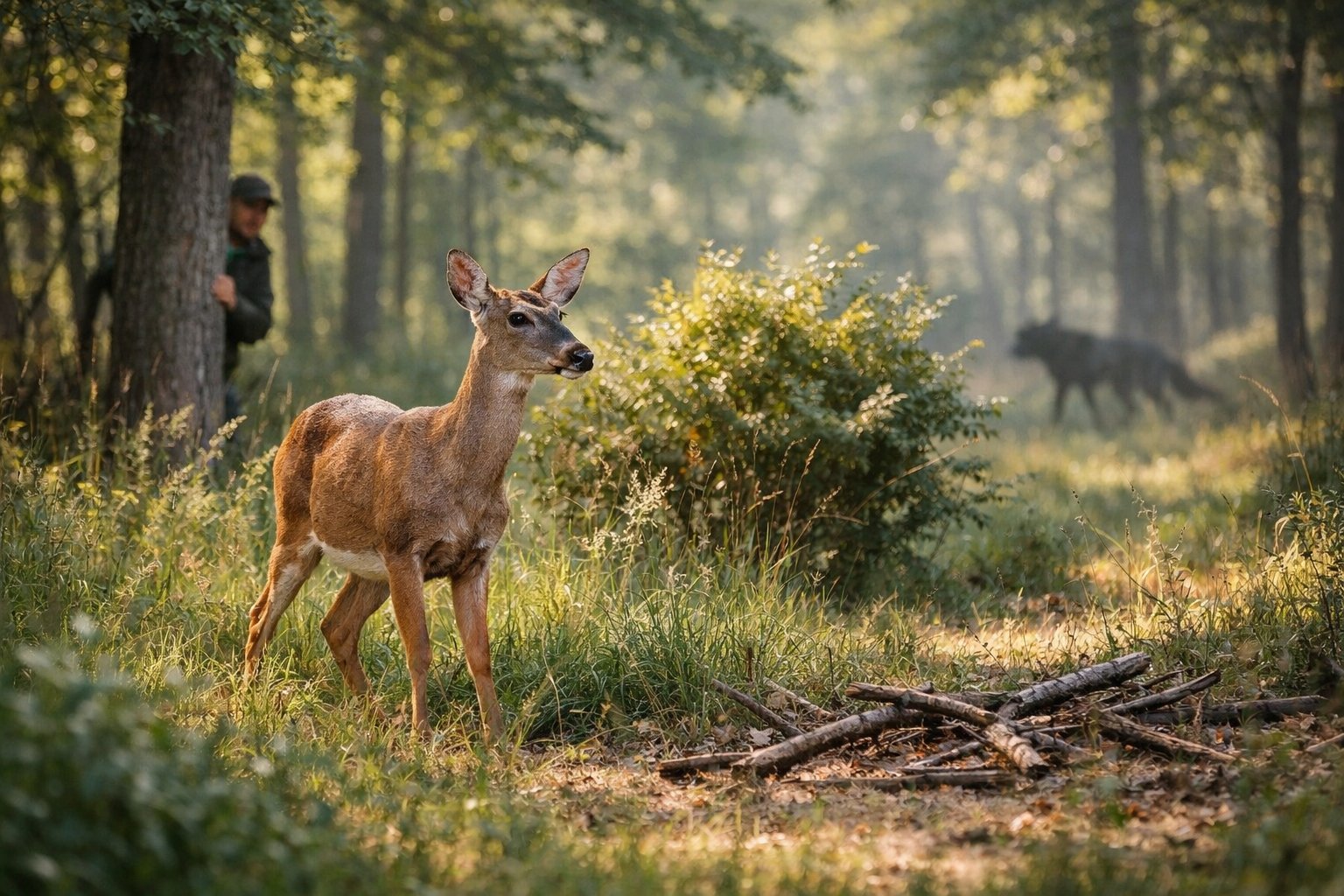
Deer react to obvious threats: predators nearby, human scent or activity, sudden weird noises, and strong unfamiliar smells. Each of these can make a deer take off fast and change where they eat, bed down, or just hang out.
Natural Predators and Predator Presence
Deer definitely fear animals that hunt them. Wolves, coyotes, mountain lions, and sometimes bears trigger their flight response right away.
Smaller predators like foxes and bobcats can scare fawns or deer on their own, especially after dark. When predators show up in an area, deer change their routines and hide in thicker cover.
You’ll see it in their behavior—they freeze, lift their heads, stomp, or snort before running. If they smell predator scent or see tracks, they’ll stay on edge for days.
In areas with a lot of predators, deer stick to safer spots, even if those places have less food.
Impact of Human Activity and Scent
Let’s face it, humans are top predators in a deer’s world. Your scent, your clothes, even your dog, all make deer more cautious.
Deer figure out which trails, edges, or yards smell like people or get lots of foot traffic, and they avoid those spots.
Human voices, cars, and regular yard work near their favorite feeding spots push deer to come out only at dawn or dusk. When roads and new houses break up their habitat, deer end up closer to people, which stresses them out and honestly, leads to more garden damage since they have to take bigger risks to eat.
Sudden and Unfamiliar Noises
Loud, unexpected sounds make deer run. Gunshots, car horns, barking dogs, alarms—they all startle deer and send them fleeing.
Even just yelling or playing a radio near your garden will make deer think twice about coming close.
Deer pick up on alarm calls from each other too. If one whitetail snorts or stamps, the whole group gets the message.
During rut, bucks might ignore more noise, but fawns stay skittish. Switching up your sound deterrents works better than just blasting the same noise all the time.
Strong-Smelling Plants and Environmental Cues
Deer trust their noses. Strong smells—like predator urine, rotten egg sprays, garlic, or even human hair—can keep deer away for a while.
Some plants, like lavender or rosemary, also help because deer don’t like how they smell or feel.
Other cues matter: open lawns, bright lights, motion-activated sprinklers, or even just new objects can make deer nervous.
When deer get squeezed into small spaces by habitat loss, these little things decide where they go. Change up your repellents and where you put them so deer don’t get used to them.
Practical Deer Deterrents and How They Work

You’ve got options: sound, scent, plants, and gadgets all help cut down on deer problems. Mix things up, switch methods often, and make sure whatever you use fits your yard and local rules.
Noise-Based Solutions
Sudden loud noises make deer run off fast. Air horns, motion-triggered sirens, or propane exploders work—though only use propane ones where the noise won’t get you in trouble.
Put sound units near your garden, about 10–30 feet from where deer usually come in, and aim them at entry spots.
Don’t just leave noise going all day. Deer get used to it if nothing bad ever happens.
Use motion sensors or timers so noises go off at random, especially early morning or evening when deer show up. Pair sound with flashing lights or your own presence for more punch.
Think about your neighbors too. Loud devices can annoy people or break noise rules, so start with low volume and check what’s allowed in your area.
Scent-Based and Plant-Based Repellents
Scent repellents work by taste or smell. Commercial sprays that smell bitter or like predators protect new plants for a week or two.
You’ll need to reapply after rain or heavy dew. Rotate different products so deer don’t just ignore one scent.
Strong-smelling plants help too. Mint, rosemary, lavender, thyme, and marigolds can cut down on damage if you plant them around the edges or mix them in with at-risk plants.
Try a thick border of these herbs—deer usually avoid strong or odd smells.
Combine barriers and repellents. Mesh fencing around young plants plus a weekly spray gives better short-term protection until your plants are big enough to handle a little browsing.
Ultrasonic and High-Frequency Devices
Ultrasonic repellents send out high-pitched sounds meant for deer ears. Some brands say they work, but honestly, the results are mixed.
Deer can hear higher frequencies than us, but most ultrasonic devices don’t work well in real yards since the sound fades fast or bounces off plants and fences.
If you want to try one, pick a motion-activated model with adjustable frequency and put it near where deer usually come in.
Don’t count on ultrasonic gadgets alone—use them with sprays, plants, or fencing. Keep your expectations realistic and watch for signs the deer are ignoring it. They catch on pretty quick if nothing actually happens.
Long-Term Deer Management Tips
Fencing usually gives you the most reliable long-term control. Try using 8-foot or double-row fencing if the deer pressure feels heavy.
For seasonal protection, you might get away with shorter electric netting. Put fences up at spots where deer are most likely to sneak in.
Check your fences every year and fix anything that’s broken. It’s easy to let maintenance slide, but it really matters.
Switch up your tactics as the seasons change. Rotate repellents, sounds, and even the types of plants you use.
Watch how the deer behave. If you spot damage, repair it fast—otherwise, they’ll just keep coming back.
If your neighbors also deal with deer, talk to them about working together. Deer don’t care about property lines, after all.
Skip lethal actions unless the law actually requires it. It’s better for everyone if you support broader wildlife management goals.
Try to change the habitat instead. Get rid of fallen fruit, secure your compost, and plant things deer don’t like.
Over time, these changes should help take the pressure off your yard.


