
You might spot a tiny fawn by itself and feel tempted to pick it up or help out. Try to resist that urge—touching a baby deer can actually harm the animal and cause more problems for you.
Don’t touch a fawn; just leave it alone and call wildlife authorities if it’s injured or truly abandoned.
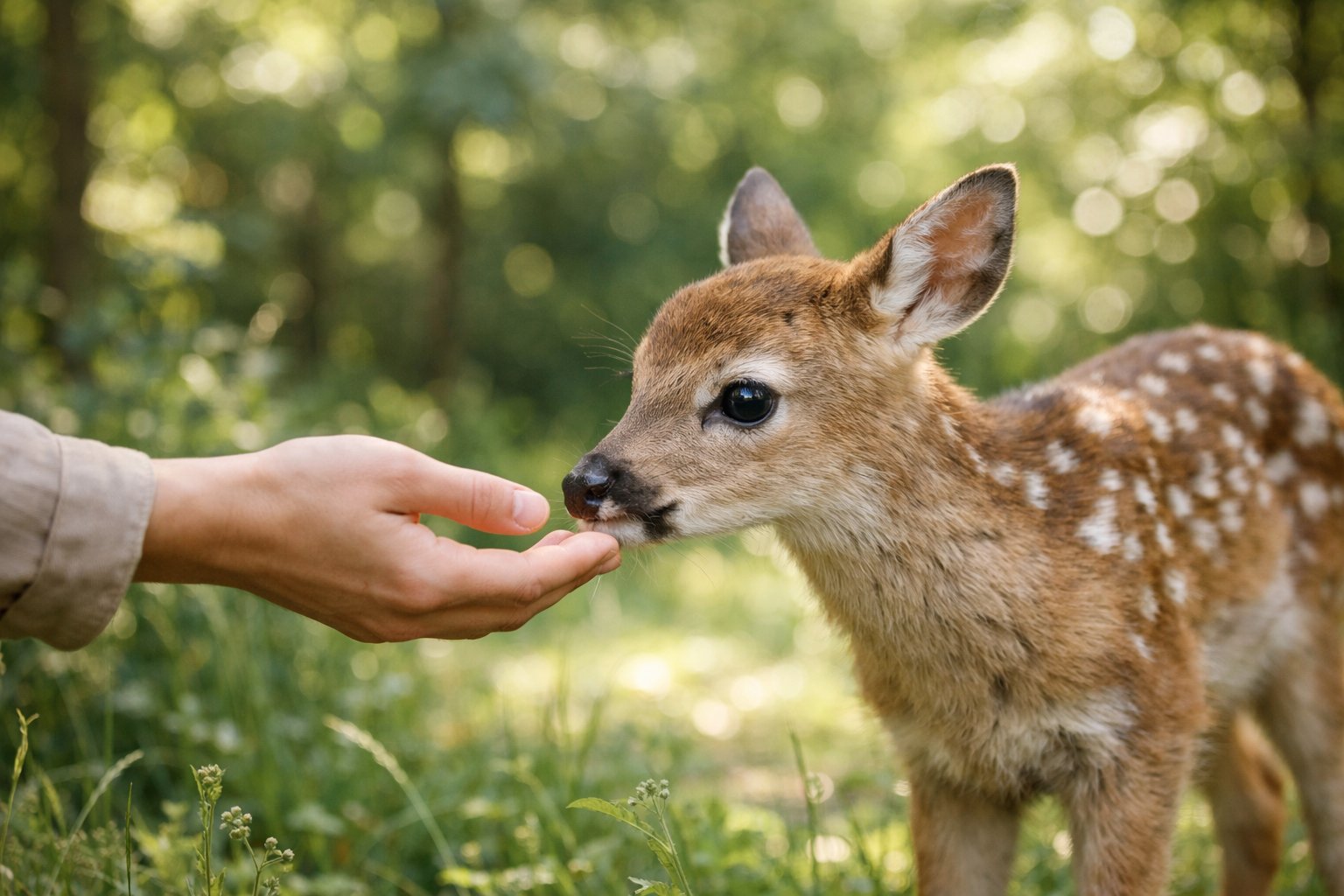
Let’s talk about why it’s so important to keep your hands off, how mother deer usually leave fawns hidden for hours, and what you should do if the fawn looks hurt or in trouble.
Curious what you should actually do? Here’s what you need to know to keep both you and the little deer safe.
Is It Safe or Okay to Touch a Baby Deer?

You’ll usually find fawns alone because their mothers hide them to keep them safe. If you touch a newborn fawn, you change its scent, stress it out, maybe spread disease, or even break wildlife laws in your area.
Why Baby Deer Are Left Alone
Fawns spend their first weeks hiding in tall grass or brush. The mother leaves them alone while she goes out to eat, coming back several times a day to nurse.
This keeps fawns quiet and nearly scentless, making it harder for predators like coyotes or foxes to find them.
If you see a fawn curled up and still, it’s probably just resting, not abandoned. Moving it or bringing it home interrupts the mother’s care and lowers the fawn’s chance of surviving in the wild.
It’s best to just note the location and check from a distance the next day.
Risks of Human Scent for Fawns
When you touch a fawn, your skin leaves oils and smells behind. That new scent can make predators notice the fawn more easily.
Predators follow smells left on plants and animals, so even a quick pat can put the baby deer at risk.
Some people worry a doe will reject her fawn if it smells like humans, but that’s pretty rare. Deer bond more by instinct than by scent.
The bigger danger is that predators might track down the fawn, or the fawn could get too used to humans and lose its natural fear.
Stress and Harm to Wildlife
If you handle a fawn, you’ll stress it out right away—think fast breathing, shaking, or trying to get away.
High stress can weaken the immune system and make the animal more likely to get sick or fail to thrive.
A stressed fawn might avoid nursing when its mother returns, which can lead to dehydration or malnutrition.
You could also hurt the fawn by accident when trying to move it, especially if it’s just a few days old.
If the fawn seems injured or truly orphaned, call a licensed wildlife rehabilitator or a vet instead of trying to care for it yourself.
Diseases and Legal Issues
Wild fawns might carry ticks, worms, or other parasites. They can also spread diseases like Lyme disease or other tick-borne infections.
Handling wildlife puts you and your pets at risk for these illnesses. If you absolutely must move an animal for a medical reason, wear gloves and wash your hands well afterward.
Many states have laws that protect wild deer and say only permitted rehabilitators can handle them. If you move or keep a fawn without permission, you could face fines or legal trouble.
Contact local wildlife officials or a wildlife rehab center for advice instead of taking the fawn home.
Want to read more? Here’s a link to reasons to avoid touching baby deer.
What to Do If You Find a Fawn Alone

If you come across a fawn by itself, stay calm and keep your distance. Watch quietly from afar, look for signs of injury, and only call for help if the animal really needs it.
Observing from a Safe Distance
Stand at least 50 feet away and use binoculars or a zoom camera if you want a closer look. Mother deer often leave their fawns hidden for hours while they forage.
This is normal, especially early in summer when lots of mule deer fawns and other young are born.
Keep pets inside and move slowly so you don’t block the mother’s return. Don’t circle the area or shine lights at the fawn at night.
Check every few hours, but keep it brief. If the fawn looks alert, curled up, and undisturbed, the mother is probably close by.
If the fawn moves or calls out when you approach, you’re too close. Just note the location, time, and any hazards nearby like roads.
These details help if you need to report the animal later.
Signs of Injured or Distressed Fawns
Look for open wounds, bleeding, broken limbs, or if the fawn isn’t conscious. Heavy breathing, limping, or repeated crying suggest injury or separation.
A cold, shivering, or wet fawn may be hypothermic and need help.
Check for signs of a predator attack, like torn fur or bite marks. If you see the mother dead nearby, the fawn is probably orphaned and in danger.
Also, if the fawn stays in the same spot for more than eight hours without moving, that’s a bad sign.
Don’t try to give water, milk, or food. Human food can harm a fawn.
Touching it can transfer scent and lower its survival chances.
When to Contact a Wildlife Rehabilitator
Call a licensed wildlife rehabilitator or your local wildlife agency if you see severe injuries, the mother is dead, or the fawn has been alone and unmoving for over eight hours.
In Utah, for example, you can contact the Utah Division of Wildlife Resources for guidance on big game young like elk calves and mule deer fawns.
Give clear details: where you found the fawn, when, what injuries you see, and whether people or pets are around.
If a rehabilitator tells you to move the fawn, follow their directions exactly. They’ll arrange transport to a rehab center or get a local wildlife biologist involved.
If you can’t reach a rehabilitator, try animal control or a local conservation group for help.
Only keep the fawn warm and quiet if a professional tells you to.
How To Protect Fawns While Hiking
Keep your dog leashed and close when you’re on the trail. An unleashed pet might chase off a doe or, even worse, hurt a fawn.
Stick to marked paths. Try not to wander into thick brush—fawns often hide there, and they’re tough to spot.
If you spot a fawn, just step back quietly. Give it plenty of space.
Skip the photo op—don’t try to pick it up. If you run into other hikers, mention that they should keep their distance and stay quiet. Loud voices can make the mother stay away.
Hiking around Salt Lake City or anywhere in Utah? Follow local advice from groups like Wild Aware Utah. If you find an injured young animal, let park staff or the state wildlife office know.
Let the fawn act naturally. Honestly, that’s its best shot at reuniting with its mom.


