
If a deer stomps at you, it’s usually noticed you and wants you to know it feels threatened or just unsure about your presence. That quick stomp is basically a warning to you and an alert for other deer—it’s like the deer’s saying, “I see you,” and hoping you’ll back off.
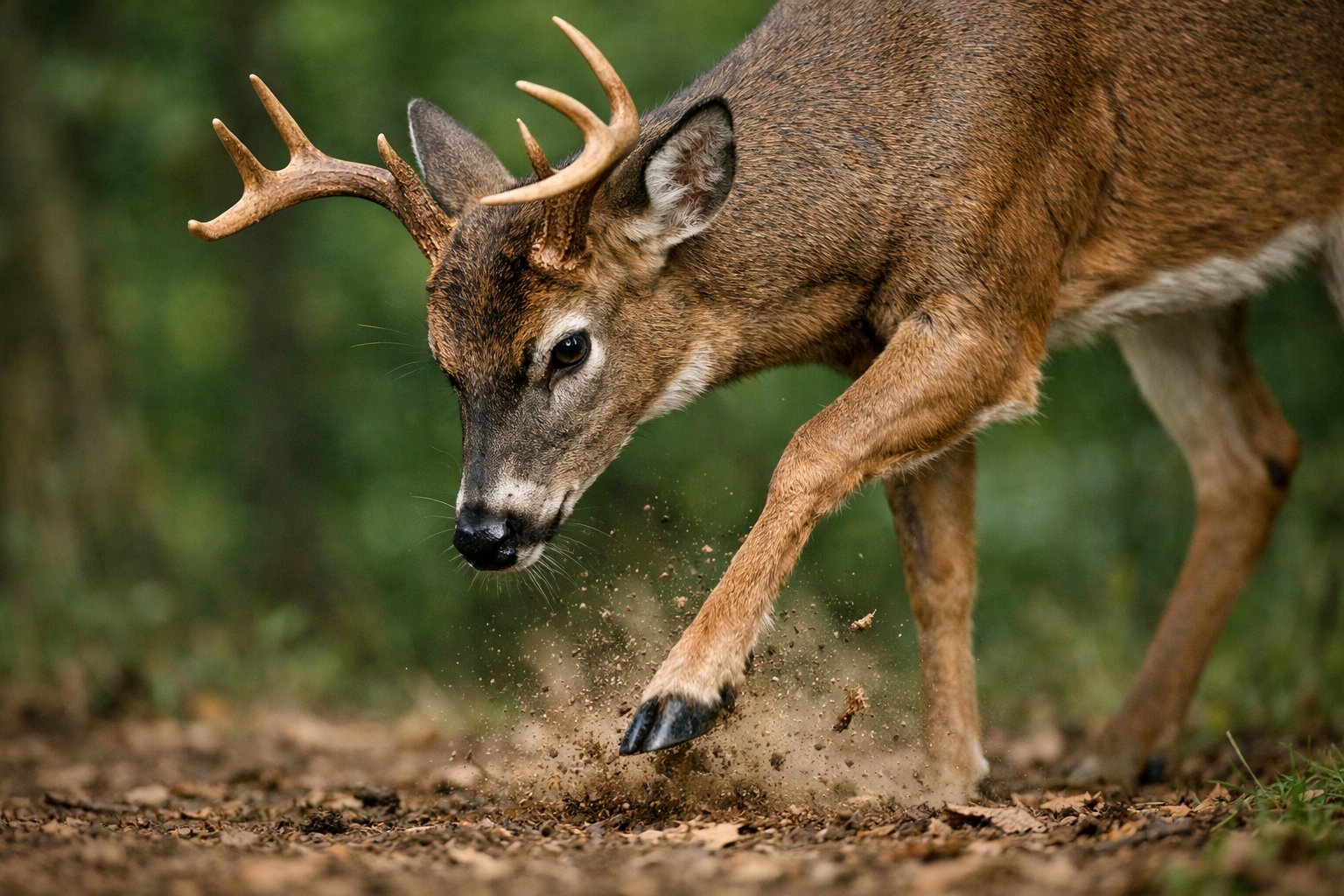
You’ll often spot stomping along with raised heads, tail-flagging, or even a sharp snort. Deer have their own way of signaling, and honestly, reading their body language can help you avoid making things worse.
Try to stay calm, give the deer some space, and move slowly if you can. Let’s get into the main reasons deer stomp, what different stomps might mean, and what you should actually do if one starts stomping near you.
Key Reasons Why Deer Stomp at You

Deer usually stomp when they notice something odd, want to warn others, or test how you’ll react. You’ll see stomps linked to what they smell, spot, or even their role—like a doe guarding fawns or a buck staking out territory.
Alerting to Potential Danger
When a deer stomps at you, it’s probably picked up on something it thinks could be dangerous. Maybe you made a noise, or your scent drifted over. Deer have sharp hearing and a crazy strong sense of smell, so even a tiny sound or faint scent can set them off.
A single, slow stomp usually means the deer feels a little uneasy. If it starts stomping hard and fast, with its head up and tail waving, that’s a deer on high alert. If you catch that, just stand still, talk softly if you need to, and back away slowly. It helps calm things down.
Stomping isn’t just about you, either. That thump carries through leaves or snow, so any deer nearby can pick up on the warning and decide whether to bolt or hang around.
Deer Communication Methods
Deer have a bunch of ways to talk to each other, and stomping is only one piece of it. You’ll see it mixed with tail flagging, snorts, head bobs, or scraping the ground. Each move adds a little more info about how worried the deer is.
A white tail flash is a visual cue you’ll notice from farther away. Snorts and stomps work better at medium distance. Up close, scent and posture fill in the details. It’s a layered system that helps deer survive.
You can actually learn to read the combo. A gentle stomp with ears turned toward you might just mean curiosity. Loud stomps, snorts, and tense muscles? That’s a deer thinking about running, and soon.
Stomping as a Warning Signal
Stomping mostly works as a warning for both you and other deer. When a deer stomps at you, it’s letting you know it’s aware and might bolt at any second. It’s hoping you’ll just move on.
Deer often stomp before they flee. Sometimes they stomp to see if whatever’s watching them will react. If you make a sudden move or try to chase, you’re way more likely to send the deer running, which can get risky near roads or trails.
If a deer stomps and then freezes, just hold your ground and stay calm. Don’t make sudden moves. Let the deer decide what to do next.
Differences in Stomping by Gender
Does and bucks both stomp, but sometimes for different reasons. Does stomp more to protect fawns or warn the herd. You’ll catch more aggressive stomping from a doe in spring and summer when fawns are around.
Bucks stomp during the rut to show who’s boss or to push away rivals. You’ll see antler displays, pawing, or even hear grunts along with the stomps. For bucks, it’s as much about territory as it is about danger.
Young deer might stomp softer or even play around with it. Older deer make it count. If you pay attention to the deer’s age and gender, you’ll get a better read on what that stomp means and how to stay safe.
What Stomping Means and How to Respond
A stomp usually means a deer feels unsure or senses danger nearby. It often comes with other signals that help you figure out your next move.
Understanding Deer Body Language
Don’t just watch the foot—look at the whole deer. If it holds its head high, pins its ears back, or stares you down, it’s on edge. A slow stomp is a guarded warning, but repeated fast stomps mean it’s getting more agitated.
During fawning season, does might circle or stand super tense to protect hidden babies. Bucks in mating season show off with stiff legs or pawing at the ground to look tough. If you see any of that, back away slowly, keep your pets close, and avoid quick movements that could freak the deer out.
Stomping Paired with Snorting
A snort is that sharp, huffing sound deer make, and it usually follows a stomp. It means the deer’s on high alert and is warning others. Sometimes you’ll hear one snort if it wants you to move, or a bunch of snorts if it’s about to run.
If you see a stomp turn into loud snorts and a raised white tail, the deer’s probably about to bolt. Up close, snorting with pinned ears or quick rushes might come before a bluff charge—especially if a doe’s got fawns or a buck’s in rut. If you hear snorting, just get more distance and put something solid, like a tree or car, between you and the deer if it starts moving your way.
Role of Interdigital Scent and Senses
Every time a deer stomps, it leaves a bit of scent behind from glands tucked between its toes. That scent basically marks the spot as suspicious, and other deer can sniff out where the alarm kicked off.
Deer don’t just rely on scent, though. They use sharp hearing and a strong sense of smell to double-check for threats.
You’ll often see them bobbing their heads or swiveling those big ears, trying to catch the wind or get a better look. If you come from downwind, your scent might reach the deer before you do, so it could start stomping more.
Honestly, if you want to avoid startling them, it’s better to change your route or just wait quietly until they seem calm again. If you have to pass by, give them plenty of space and move slowly.
That way, the deer gets a chance to size you up without sending out even more alarm signals.
Relevant reading: Why Deer Stomp: Nature’s Early Warning System.


