
When you think of deer, maybe you imagine peaceful grazers. But honestly, a surprising number of animals—and even some plants—can end a deer’s life. Wolves, mountain lions, coyotes, and bears are the big predators that hunt deer. Disease, starvation, and rough weather also take their toll.
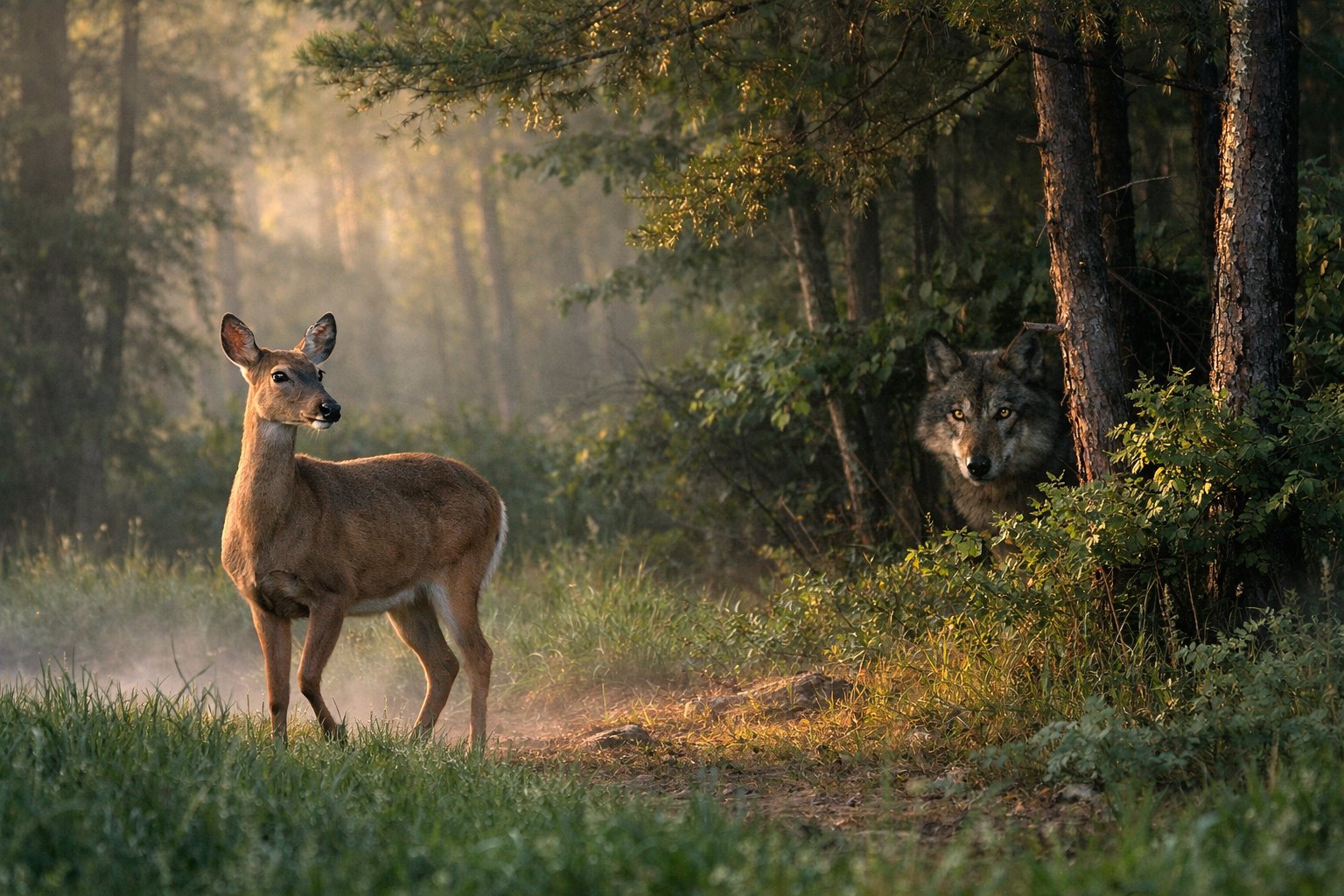
Let’s talk about how these predators actually hunt deer. Smaller carnivores and scavengers join the scene too, and sometimes, poor nutrition or the wrong food can leave deer open to danger.
I’ll also show you which garden plants and crops deer love, which ones can hurt them, and how you might protect your space—or just understand why deer keep showing up in certain spots.
What Can Eat a Deer: Most Preferred Natural Foods

Deer usually look for high-energy, easy-to-digest foods. You’ll spot them munching on nuts, fruits, legumes, and crops that pack on fat and protein for the tough months.
Acorns and Mast Crops
Acorns are a top pick for deer in fall and early winter. White oak acorns taste sweeter, and deer definitely prefer them, but if there are lots of red oak acorns, they’ll eat those too. Mast also means beechnuts, hickory nuts, and chestnuts. These nuts have a bunch of fat and carbs, which deer need to get through the cold.
If you walk through oak woods, you’ll probably find deer searching the ground under big old trees. When acorns are scarce, deer browse saplings and nibble tender leaves. If you manage oaks or protect white oak acorns, you’ll probably see more deer hanging around.
Fruits and Berries Deer Love
Deer go for fruits and wild berries when they’re ripe. Apples, pears, persimmons, blackberries, and raspberries are all on the menu. Wild grapes and dogwood berries? Deer eat those too. These snacks give them quick sugars and a bit of water, especially late in the season.
You’ll often catch deer in spots where berry patches and shrubs meet fields. They use the shrubs for cover and eat the fruit and soft shoots. Sometimes you’ll see them eating fruit right off low branches or picking up what’s fallen.
Alfalfa, Clover, and Legume Attraction
Legumes like alfalfa and clover give deer plenty of protein and easy-to-digest food all year. Alfalfa fields attract deer at dawn and dusk, especially when the plants are young and soft. White clover is a big draw, and even red clover gets plenty of attention.
You’ll notice deer cropping tender leaves and forbs near these patches. Planting or keeping small legume plots can really help the local deer. Fawns and bucks in particular need the extra protein.
Soybeans, Corn, and Other Crop Favorites
Row crops are like magnets for deer, especially after harvest. Soybeans give leafy greens and pods for late summer and fall. Corn offers energy in the kernels and fallen ears, and wheat and other grains pull deer in during early spring or right after harvest.
Deer also eat brassicas, potatoes, and sunflowers if they find them. Along the edges of farmland, whitetails move from cover to crops, eating young shoots, seeds, and grains. You’ll see more deer where there’s leftover crop residue and some shelter nearby.
Other Foods, Garden Plants, and Deer Diet Choices

Deer eat all kinds of plants—both wild and cultivated. They like tender leaves, buds, soft fruits, and high-energy mast like acorns. You can actually use your plant choices to steer them away from your favorite spots.
Browse, Grasses, and Woody Vegetation
Deer eat a ton of browse, meaning leaves, twigs, and buds from shrubs and small trees. They go for new shoots and soft twigs since those are easier to digest and have more protein. In forests and fields, they’ll eat browse instead of tough, old grasses most of the year.
When winter hits and food gets scarce, deer strip saplings, young oaks, and staghorn sumac. They’ll even eat evergreen shrubs like arborvitae and holly if snow covers the rest. In autumn, they pick up fallen oak leaves and acorns if there’s a good mast year.
Garden Vegetables Deer Commonly Eat
Deer love high-sugar, juicy crops. You’ll spot them munching tomatoes, eggplants, and other garden veggies soon after they sprout. Lettuce, beans, peas, and young brassicas are also targets when they’re soft and easy to reach.
Some perennial garden plants are basically deer candy. Hostas, tulips, roses, and asters get eaten because of their soft leaves or tasty buds. Wildflowers and berries attract deer in summer, too. If you grow vegetables, fencing or cages can save your seedlings until they’re bigger and less tempting.
Deer-Resistant and Toxic Plants
Some plants keep deer away because of their strong scents, tough leaves, or toxic chemicals. Sagebrush, bitterbrush, and a bunch of aromatic herbs just don’t appeal to deer much.
Ash trees and older, coarse grasses also usually don’t make the cut for deer snacks. If you plant these around your more vulnerable flower beds, you might see less browsing.
A few plants are actually dangerous for deer. Rhododendron, azalea, oleander, and certain ivy species have toxins that can really harm animals.
Poison ivy and old man’s beard (that climbing vine) might get ignored by deer sometimes, but they can still spread all over the place. Just remember, “deer-resistant” doesn’t mean deer-proof—if deer get hungry enough, they’ll probably try almost anything.
If you want to dig deeper into what deer eat and how their tastes change with the seasons, check out more info on deer diet and browse.


