
So, your dog just ate part of a deer—or maybe some deer poop. First things first: try to stay calm, but don’t wait around. Keep an eye out for vomiting, diarrhea, fever, or any trouble breathing. If you see any of those, call your vet.
Most dogs will get through this with just some close watching. Still, there’s a real risk of things like bacterial infections, parasites, or even a bone getting stuck, so getting advice from a pro is smart.
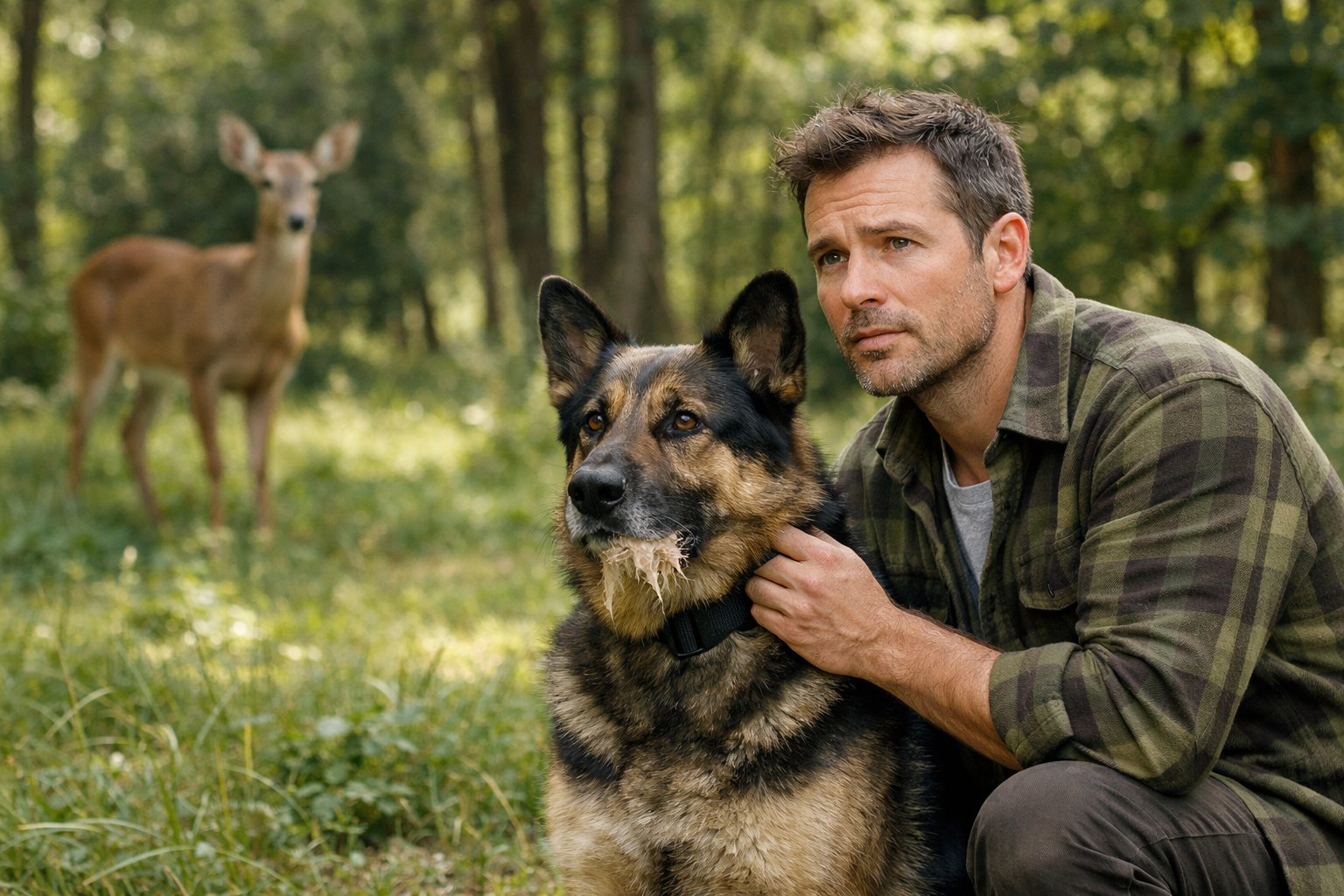
Let’s talk about what you should do right away, how to spot warning signs, and honestly, why dogs even go after deer in the first place.
This guide should help you figure out if you can handle things at home or if it’s time to call in the experts—without freaking out.
Immediate Steps If Your Dog Eats Deer or Deer Poop
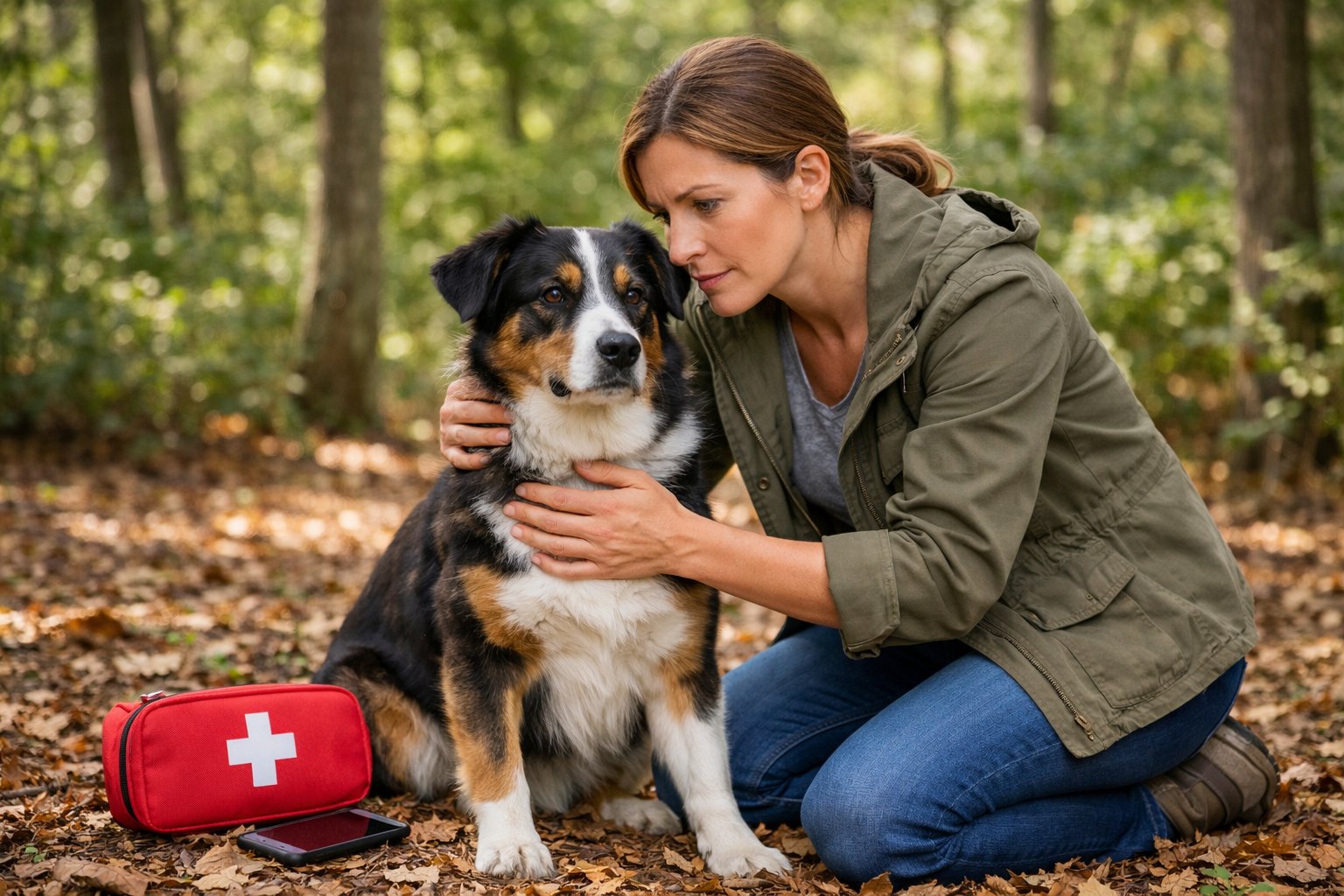
Act quickly but don’t panic. Check your dog’s breathing, mouth, and general behavior. Keep an eye out for vomiting, diarrhea, or any signs they’re in pain.
Get rid of any leftover deer poop you see. Keep kids and other pets away from it too.
Assessing Your Dog’s Condition
Take a look inside your dog’s mouth as soon as you can. If you spot big pieces of deer tissue, sharp bone bits, or a bunch of hair, try to gently pull them out using clean fingers or tweezers.
Don’t shove your hand down their throat if your pup resists or starts gagging.
Watch your dog’s breathing and how they move. If you notice coughing, choking, rapid breathing, or their gums look blue or gray, treat that like an emergency and get to the vet right away.
If breathing seems normal, pay attention to their energy. Are they acting confused, weak, or flinching when you touch their belly?
Think about your dog’s size and age. Smaller, older, or sick dogs have a tougher time with this kind of thing than healthy adults.
If you’re not sure what to do, call a vet hotline or an online service like Dial a Vet for quick advice.
Monitoring for Symptoms
Keep a close watch on your dog for the next day or two—sometimes up to three days. Look out for vomiting, drooling, loose or bloody stool, loss of appetite, fever, belly pain, or just plain tiredness.
Jot down what you see and when it happens. That info will help your vet if you need to call.
Check their poop for any changes—different color, blood, bone bits, or tissue. If your dog starts vomiting, try a bland diet and offer small sips of water to keep them hydrated.
Wash your hands after handling your dog or anything they touched. Clean up any messes, especially if your dog licked people—kids or older folks can be more at risk. If that happened, mention it when you call for help.
When to Contact a Veterinarian
Reach out to your vet or a telemedicine service if your dog has trouble breathing, keeps vomiting, has bloody diarrhea, bad belly pain, or collapses suddenly.
Call right away if your dog ate bone fragments, a lot of raw deer meat, or if they’re really young, old, or have a weak immune system.
If you can’t get your regular vet, try an emergency hospital or something like Dial a Vet online. Be ready to give details: your dog’s weight, breed, exactly what they ate (poop, raw meat, bone), when it happened, and any symptoms you’ve noticed.
Bring a stool sample or snap a photo of the deer poop if that’s possible. It helps the vet figure out parasite or bacteria risks.
Follow whatever instructions your vet gives you. They might want to do stool tests, x-rays for bones, give fluids, or start deworming or antibiotics.
Understanding the Dangers and Reasons Behind the Behavior
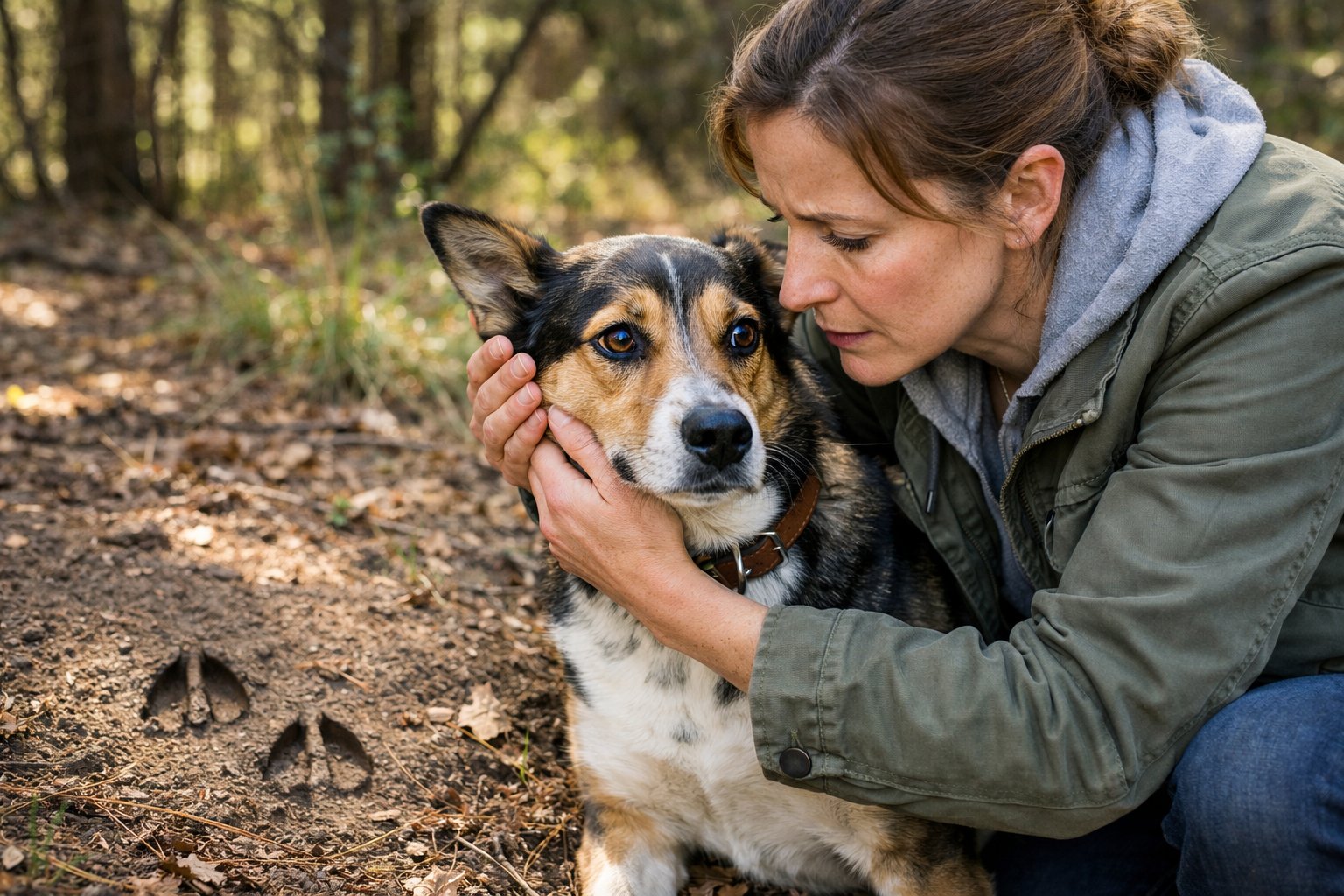
Dogs eat deer or deer poop for a bunch of reasons. Some just like the taste, others do it because they’re bored, and sometimes there’s a nutritional or behavioral reason. Whatever the cause, it can put your dog at risk.
Why Dogs Eat Deer or Deer Poop
Dogs have their own reasons for eating deer or their droppings. Young pups or retrievers with strong mouths often chew or swallow just about anything new.
Deer poop can actually smell good to dogs. It’s got undigested plant bits and strong scents that make dogs curious.
Boredom and anxiety can push dogs to eat weird things, too. If your dog isn’t getting enough exercise or mental stimulation, they might go for whatever’s out there.
Sometimes dogs eat poop because their diet’s missing something. If your dog’s food is low quality or missing key enzymes, they might try to get nutrients from outside sources.
Dogs can even learn this habit if they get attention for it. If you react every time, they might just keep doing it.
Training can help a lot. Teach a solid “leave it” command and give treats when your dog ignores poop. Keep walks focused, use a short leash in deer-heavy areas, and maybe ask your vet about a safe taste deterrent if this keeps happening.
Potential Health Risks for Dogs
When dogs eat deer or deer poop, they can run into some nasty problems. Right away, you might see vomiting, diarrhea, or belly pain from stuff like foreign material, plant toxins, or bacteria.
Chewed-up deer tissue can have sharp plant bits or small bones that hurt your dog’s mouth, throat, or gut. Sometimes, that means you’ll need a vet’s help.
Longer-term, there’s a risk of weight loss, a dull coat, or chronic stomach issues if your dog picks up parasites or infections. Some infections can cause fever, tiredness, not wanting to eat, or even changes in their bloodwork—stuff that needs antibiotics or other treatment.
If you notice repeated vomiting, blood in their poop, or weakness after they ate deer or droppings, don’t wait—call your vet.
You can lower these risks by watching your dog outside, using commands to stop them from eating weird things, and sticking to a balanced, vet-approved diet. That way, your dog’s less likely to go looking for extra nutrients in all the wrong places.
Parasites and Bacteria in Deer Poop
Deer poop often carries parasites like Giardia, roundworms, and whipworms. If your dog eats it, these parasites might infect them and cause diarrhea or weight loss.
Dogs can also get dehydrated or malnourished from these infections. Vets usually diagnose and treat them with stool tests and targeted deworming.
Bacteria are another concern. E. coli, Salmonella, and Leptospira can all show up in deer droppings.
Salmonella and E. coli sometimes cause nasty diarrhea or even a high fever. Leptospirosis spreads through contaminated urine, and it can really mess with your dog’s kidneys or liver.
Your vet might run fecal cultures, blood tests, or urine tests to look for these bacteria. They’ll know what to check for if your dog starts acting sick.
It’s smart to avoid areas where you see fresh deer signs. Pick up droppings in your yard if you spot them, and keep your dog’s vaccinations and parasite prevention up to date.
If your dog eats deer poop and seems sick, grab a fresh stool sample and call your vet. They’ll walk you through the next steps and help with any testing.


