
So, you found a fawn in your garden. That’s a surprise, right? The best thing you can do is just pause and stay calm.
Back away, keep pets and kids inside, and watch from a window. Most baby deer are just fine, and their mom will probably come back soon. By giving them space, you’re actually helping—your scent or presence could stress them out or make things worse.

You’ll figure out how to spot real trouble, when it’s time to call for help, and a few ways to make your yard safer for both your plants and the deer. This guide also covers some easy steps to keep future wildlife visits in check, without making your yard feel like a fortress.
What to Do Immediately If You Find a Baby Deer
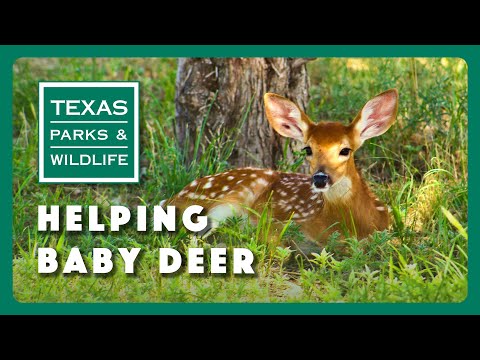
First, take a breath and leave the fawn alone. Watch quietly from inside.
Don’t let pets or people near it. Only step in if you see the fawn is hurt, stuck, or in real danger.
Observe the Fawn Without Approaching
Stay inside and peek through a window or grab some binoculars. Try to keep at least 30–50 feet away.
A healthy fawn usually curls up, stays quiet, and doesn’t have obvious wounds. Don’t walk up to it, call out, or offer food.
Your scent could make the mother stay away. If you need to document what’s happening, snap some time-stamped photos from a distance.
Watch for signs: Is the fawn alert? Moving around? Crying a lot? If it’s quiet and still, that’s a good sign. But if it’s wandering or bleating often, something might be wrong.
Keep pets indoors and let your neighbors know to steer clear. You can mark the area with some string and stakes if you’re worried someone might wander too close.
Identify If the Fawn Is in Immediate Danger
Look for danger, but do it from a safe distance. If the fawn is lying in the road, stuck in a fenced yard, bleeding, covered in flies, or has a visible injury, it needs help fast.
If you spot a fawn near traffic, you might need to move your car or put out cones to slow drivers. Only move the fawn if a car might hit it—and just far enough to get it out of harm’s way. Try not to touch it more than you have to.
Other warning signs? Loud, repeated crying, wounds, or lots of flies hanging around. That usually means the fawn is hurt or abandoned.
When to Contact Wildlife Authorities
If the fawn is injured, trapped, crying for hours, or you haven’t seen its mom after a whole day, call for help. Reach out to animal control, your state wildlife agency, or a licensed wildlife rehabilitator.
Share the exact spot, when you found the fawn, any photos, and what you’ve noticed about its behavior. Ask if you should stick around or leave.
Until someone arrives, keep the area quiet and don’t disturb the fawn. Unless a pro tells you otherwise, just wait.
It helps to have numbers ready for local wildlife rehab centers. Most regional offices have hotlines online for quick advice.
Common Misconceptions About Abandoned Fawns
It’s easy to think the fawn’s been abandoned just because you don’t see the mother. But deer moms often leave their babies alone for hours while they eat.
That’s normal, and it actually keeps the fawn safer from predators. Feeding, touching, or bringing the fawn inside isn’t helpful.
Human food can harm a fawn, and handling it might make the mom stay away. Plus, in a lot of places, it’s illegal to keep wild animals without a permit.
If you’re not sure what to do, use your photos and notes and call a wildlife rehabilitator or the state agency. They’ll let you know if the fawn really needs rescuing.
How to Coexist With Deer and Protect Your Garden

You can keep your garden healthy and still let deer live nearby. Just mix up observation, gentle repellents, and humane barriers.
That way, you won’t hurt the animals, but you’ll protect your plants.
Encouraging Safe Wildlife Observation
Watch deer from a distance with binoculars. It’s actually pretty interesting to see when they show up, where they walk, and which plants they munch on.
Jot down the times and the damage you notice. Patterns start to pop up after a while.
If you spot a fawn, don’t walk up to it. The mom is probably close by and will return.
Want a photo? Stick to your porch or window. Move slowly and keep things quiet.
A wildlife camera or motion sensor light can show you what’s happening at night. Keep pets inside, especially at dawn and dusk when deer are most active.
If you think an animal is hurt, call a licensed wildlife rehabilitator instead of trying to help yourself.
Using Natural Deer Repellents
Switch up repellents so deer don’t get used to them. Try commercial scents—stuff like putrid egg, garlic, or predator urine. Reapply after it rains.
For your favorite plants, you can spray a homemade mix: 1 part milk powder, 1 part water, and a bit of hot sauce. Test it on a leaf first, just in case.
Plant herbs and natives with strong smells that deer don’t like—mountain mint, wild bergamot, aromatic asters. Thorny shrubs like blackberries or holly work as living barriers near beds you want to protect.
Sprinkle granular repellents around shrubs in spring, when new growth is tasty. Set a reminder to reapply sprays every 10–14 days in dry spells and after heavy rain.
Always follow label instructions for commercial products. Make sure anything you use isn’t toxic to pets or pollinators.
Preventing Future Deer Visits Humanely
Try building physical barriers where possible. A fence that’s 7 or 8 feet tall will keep most deer out.
For smaller yards, you might want to go with a 3–4 foot split-rail fence and add some outward-angled wire. Double-row fencing can also help stop deer from jumping.
If you just need a quick fix during peak season, temporary electric tape can do the trick for garden plots.
Switch up your plant choices. Swap out those tempting plants for deer-resistant natives.
Group your plantings—mix things like grasses, sedges, or mint-family plants. This hides young seedlings and gives you a bit of “associational resistance.”
Let a few native weeds like pokeweed grow on the edges. They can act as sacrificial buffers, drawing deer away from your favorite flowers.
Take away easy temptations. Cover your compost, keep birdseed secure, and pick up fallen fruit.
If deer keep showing up from a nearby greenbelt, maybe chat with your neighbors about working together.
And if you’re dealing with fawns or injured deer, don’t try to handle it yourself. Reach out to a local wildlife rehabber or your state wildlife agency—they’ll know what to do.


