
Don’t eat a deer if it looks sick, acts weird, smells off, or comes from a place with known contamination. If you spot severe weight loss, open sores, swollen lymph nodes, or strange behavior, skip the meat and let wildlife officials know.

Let’s run through the warning signs, the risks of disease or contamination, and some practical steps for handling or testing a deer safely. Knowing what to watch for can help you protect your health and actually enjoy venison when it’s safe.
When to Not Eat a Deer: Essential Warning Signs
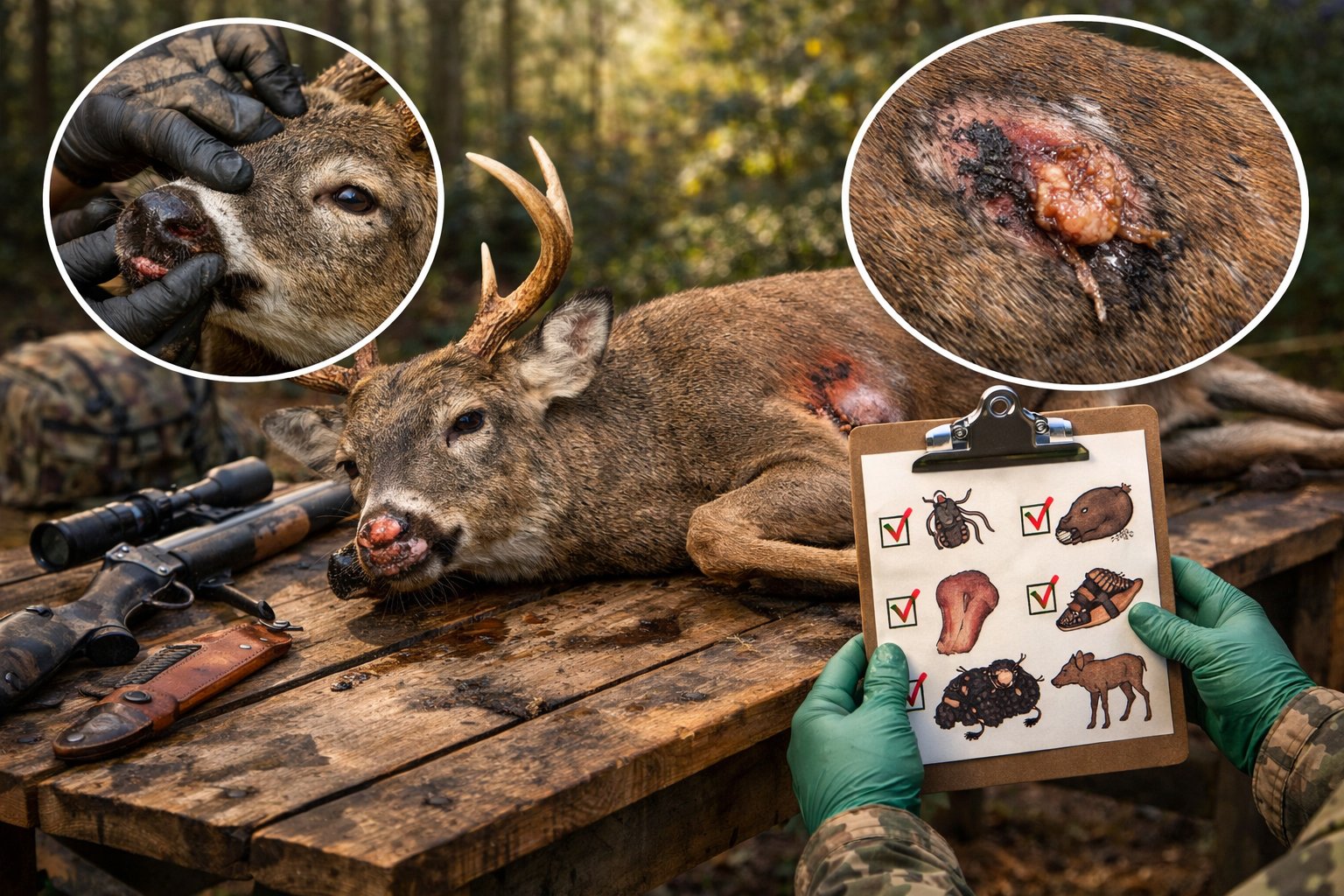
Check the animal’s behavior, body condition, and how the meat smells and looks before you eat it. Always find out where the deer was harvested and stick to local testing or advisory rules.
Deer Appearing Sick, Emaciated, or Disoriented
If you see a deer that’s unusually thin, has a dull coat, or seems unsteady, don’t eat it. Emaciation and disorientation often mean serious illnesses like chronic wasting disease (CWD) or other infections messing with the nervous system.
Watch out for animals that stumble, walk in circles, drool, or just look listless. Those signs usually mean something’s wrong with the brain or spine. If your deer comes from a CWD area, contact your state wildlife agency about testing.
Don’t eat the brain, spinal cord, eyes, spleen, or lymph nodes if you think CWD might be involved.
Visible Lesions, Abscesses, or Swollen Lymph Nodes
Open sores, pus-filled abscesses, or big lymph nodes near the jaw, neck, or legs should set off alarms. These signs often mean bacterial infections or diseases that can make the meat risky.
If you find abscesses or weird-looking organs while field dressing, cut away several inches of the surrounding tissue and toss anything that looks off. Always wear gloves and keep the meat clean.
Report deer with unusual lesions to your local wildlife agency—they track disease outbreaks and can offer testing.
Abnormal Odors and Discoloration in Meat
Trust your nose. If the meat smells sour or rotten, it’s probably spoiled and could make you sick. Look for slime, green or gray spots, or a tacky texture instead of firm.
If anything smells off or looks odd, just throw it out. Even if most of the muscle looks fine, it’s not worth the risk. Clean field dressing and quick cooling help, but once spoilage sets in, cooking won’t save it.
Deer From Contaminated Areas or Special Advisories
Skip deer from places with known contamination or official warnings. This includes spots with CWD, chemical spills, or high lead exposure from certain ammo.
State wildlife agencies usually post maps and rules about testing and advisories for deer and other game. If your area has CWD testing, send in samples before eating.
Follow public health advice from the CDC and your state for animals from affected places. If you’re unsure, don’t eat venison from that animal and check with authorities.
Dangers From Disease, Contaminants, and Unsafe Processing

Watch out for brain or organ diseases, chemical contamination, and sloppy handling that can make venison dangerous. Know which parts to avoid, which chemicals to test for, and how to cut down on bacteria or parasite risks when you’re field dressing or processing a deer.
Chronic Wasting Disease Risks and CWD-Positive Tissues
CWD hits deer, elk, and moose. If an animal looks thin, drools, or acts uncoordinated, don’t eat it. Never eat meat from deer that test positive for CWD.
Prions build up in nervous and lymph tissues. Avoid the brain, spinal cord, eyes, spleen, tonsils, and lymph nodes when you’re butchering.
Remove these parts carefully and don’t cut through the spine. If you hunt in a CWD zone, get your deer tested before eating.
Many states offer testing—check your local rules. Wear gloves when handling risky tissues and wash your tools and surfaces well.
If you’re not sure, it’s safer to toss the carcass or suspect parts.
Chemical Contaminants: PFAS, PFOS, and Lead
PFAS and PFOS can end up in deer near firefighting foam sites, landfills, or polluted water. If you hunt in those areas—like certain townships or marshes—don’t eat the liver and fat, since those chemicals concentrate there.
Look for local PFAS testing and advisories. Lead from bullets can get stuck in meat, especially ground meat, and raise your risk of lead poisoning.
Switch to non-lead ammo or cut away meat around wound channels and any fragments. If you think meat has lead, have it tested or throw out badly damaged bits to be safe.
Bacterial and Parasitic Contamination
Bacteria like Salmonella and E. coli can multiply fast if a carcass gets warmer than 41°F (5°C). Cool the carcass quickly after field dressing.
Keep meat clean, dry, and cold to prevent food poisoning. Parasites and ticks can also tag along with wild game.
Cooking venison to a safe temperature and freezing it for the right amount of time kills most parasites. Still, don’t use meat that looks contaminated or smells bad.
Wear gloves when gutting, avoid puncturing intestines, and wash hands, knives, and surfaces with hot, soapy water.
Field Dressing, Handling, and Food Safety Precautions
Your choices during field dressing really affect the risk level. I always wear disposable gloves and make careful cuts away from the body cavity—nobody wants fecal contamination.
Be sure to remove lymph nodes and any organs that look abnormal. If you notice swollen lymph nodes, open abscesses, or weirdly colored organs, just don’t eat that meat.
Cool the carcass down fast and keep it under 40°F. Use clean equipment, and remember to sanitize your surfaces between each animal.
When you’re processing, trim away any tissue near wounds, plus anything with bone or lead fragments before you grind.
If you hunt in places with disease or chemical warnings, stick to local testing rules and reach out to wildlife officials for advice.


