
You might be surprised at just how healthy deer meat can be—and why some folks actually prefer it over those usual supermarket cuts. Venison packs in a ton of protein, fewer calories, and key nutrients that support energy and immune health. It fits into a lot of eating plans, honestly.
If you want a lean, nutrient-dense meat that often beats beef and pork when it comes to calories and omega-3 balance, venison is a strong choice.
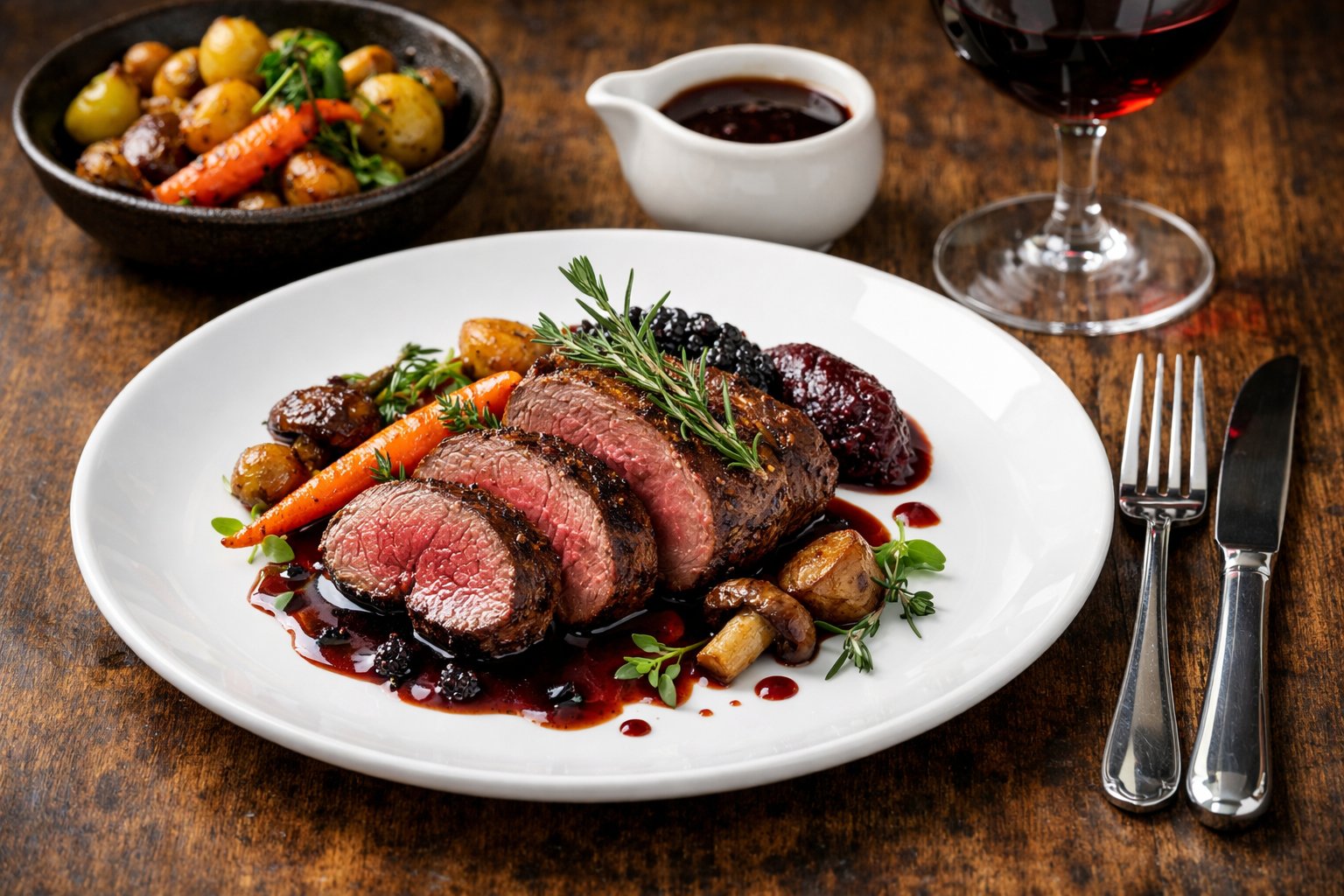
Let’s break down what’s actually in deer meat, how it could help your health, and how it stacks up against other meats. I’ll share some clear facts, tips, and a few safety notes so you can decide if you want to give venison a shot in your next meal.
Nutritional Value and Health Benefits of Deer Meat

Deer meat delivers a lot of nutrition in a small serving. You get lean protein, important vitamins and minerals, and fewer calories and less saturated fat than most common red meats.
High-Quality Protein Content
Venison is a dense source of high-quality protein. A 100 g cooked serving usually gives you over 25 g of protein, with all the essential amino acids you need for muscle building and repair.
That makes deer meat a good choice if you train, recover from injury, or just want a filling protein that supports lean body mass.
Protein from venison digests well and helps keep you full. Compared to fattier red meats, venison offers more protein per calorie, so it fits nicely into meal plans for weight management or higher-protein diets.
Essential Vitamins and Minerals
Deer meat brings high amounts of B vitamins and key minerals in small servings. You get a good dose of vitamin B12, niacin (B3), and vitamin B6, which all help with energy metabolism and brain function.
There’s also a fair amount of iron—mostly heme iron—which your body absorbs easily and uses for red blood cells and energy. Zinc and phosphorus show up in useful amounts for immune function and bone health.
Selenium and small bits of vitamin E add some antioxidant and immune support. These nutrients make venison a practical way to boost your daily micronutrient intake without piling on extra calories.
Low Fat and Caloric Density
Venison is much leaner than most beef and pork cuts. It usually has low total fat and lower saturated fat per serving, which keeps the calorie count down while keeping the nutrients high.
A smaller portion of deer meat can deliver the same protein and micronutrients as bigger servings of fattier meats. That’s helpful if you’re watching calories or working on weight loss.
Since deer are wild or pasture-fed, their fat profile often contains more omega-3s and less omega-6 than grain-fed meats. That’s a plus for the overall nutritional profile, and it doesn’t add many calories.
Heart Health and Cholesterol Advantages
Venison’s low saturated fat and modest cholesterol content can help you manage heart-disease risk factors if you eat it as part of a balanced diet. If you choose lean venison over higher-fat red meats, you can cut your daily saturated fat intake, which might affect blood cholesterol levels.
Pasture-raised venison usually has a better omega-6 to omega-3 ratio and sometimes a bit of conjugated linoleic acid (CLA), which researchers are still studying for heart benefits.
Eating deer meat alongside vegetables, whole grains, and healthy fats gives you a balanced plate that supports cardiovascular health and keeps your energy steady for the day.
How Deer Meat Compares to Other Meats

Deer meat is generally leaner, higher in iron, and lower in calories than many common red meats. You’ll notice differences in fat, flavor, and how you should handle or cook venison compared to beef and pork.
Deer Meat vs. Beef and Pork
Deer meat (venison) has a lot less fat than typical beef or pork cuts. A 100 g cooked portion of venison usually comes in around 3 g fat, while the same amount of beef can have 10–16 g or more depending on the cut.
That means fewer calories per serving and less saturated fat to keep an eye on if you’re thinking about heart health.
Protein in venison matches or even beats beef and pork by weight, so you won’t lose out on protein if you swap meats. Venison also gives you more iron per serving than chicken and usually more than many beef cuts, which is great if you need to boost your iron.
Flavor can be more gamey, especially for wild deer. Ground venison and marinades help tame that taste. Try cooking venison briefly for tender cuts, and use low-and-slow methods for tougher ones to keep them from drying out.
Wild Deer vs. Farmed and Store-Bought Meats
Wild venison usually comes from deer that ate a natural diet and got plenty of exercise. That makes the meat leaner, with a slightly different fat profile and sometimes higher levels of certain micronutrients.
Farmed deer and store-bought venison can be lean too, but their nutrition depends on feed and farming practices.
Handling matters more for wild deer. You’ll need to field dress, cool the meat quickly, and test in CWD areas for safety. Store-bought meat follows processing controls and is easier to trace.
If you hunt, consider using non-lead ammo to avoid metal fragments. When buying, ask butchers about the meat’s origin so you know if the venison is wild, farmed, or processed into ground mixes that might include added fat.
Deer Meat as a Lean Red Meat Option
Looking for a lean red meat? Venison stands out.
It packs a lot of protein but has less fat and fewer calories than most beef or pork. That’s a big plus if you’re watching your weight or trying to cut back on saturated fat, but don’t want to miss out on the good stuff you get from red meat.
When you’re cooking ground venison or lean steaks, you might want to use a bit more oil or maybe a sauce—otherwise, things can get pretty dry. Venison works well in burgers, chili, or stews, especially when you mix it with ingredients that add some moisture.
You’ll still pick up plenty of zinc and B vitamins, just like you would from other red meats. So, venison can easily fit into a balanced meal plan if you want the perks of red meat without all the extra fat.
If you’re curious, FoodStruct has a straightforward nutrition comparison between beef and deer meat. (Keep in mind, fat content varies by cut and how you cook it.)


