
Deer don’t really stick to one favorite food everywhere. They just go for whatever gives them the most energy and is easiest to find.
Acorns, corn, and soft fruits like apples or persimmons usually top their menu because they’re packed with calories and easy to come by.
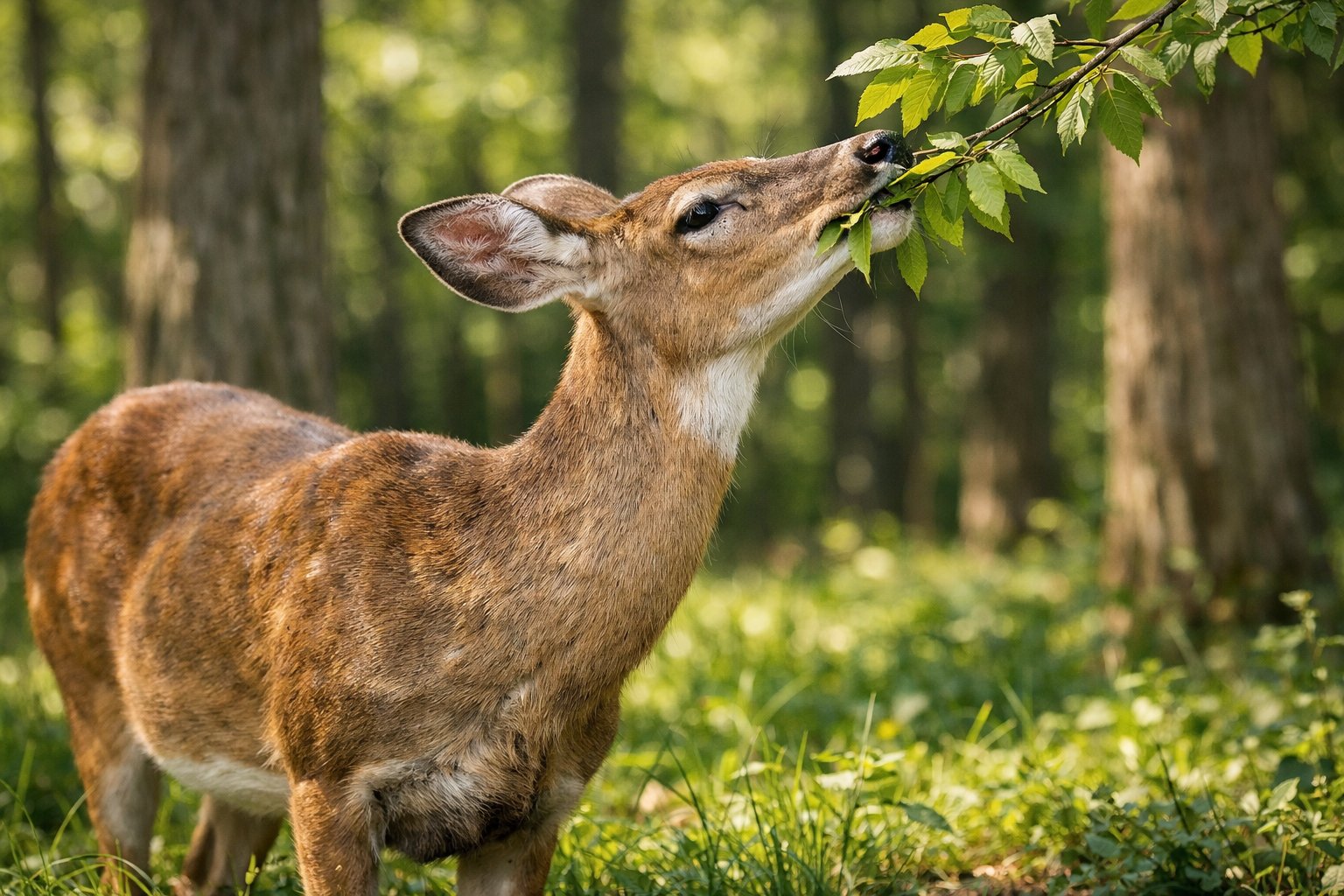
If you’re hoping to draw deer onto your land, it helps to know how the seasons and local plants change what they want to eat.
The next sections break down the top foods that deer go after, why those foods matter, and how their diet shifts with the seasons and regions.
Deer’s Favorite Foods: Top Choices and Why They Love Them
Deer look for foods that give them energy, fat, and nutrients that are easy to digest. They’ll feed where calories are highest and where they can quickly duck into cover.
Acorns and Other Nuts
Acorns usually sit at the top of the list. They’re full of fat and carbs and easy for deer to carry off or eat right away.
White oak acorns taste sweeter and break down faster, so deer eat them as soon as they can find them. Red oak acorns take longer to digest but still give deer energy through fall and into winter.
Hard mast like hickory nuts, chestnuts, and beechnuts matter, too. If oaks don’t produce, beechnuts can step in as the main food source.
You’ll spot deer trails under oak trees and chewed shells piled up. When nuts run out, deer will nibble on oak leaves and fallen tree bits, but honestly, leaves just don’t have the calories nuts do.
Apples and Sweet Fruits
Deer can’t resist sweet fruits because of the sugar and moisture. You’ll often catch them under apple trees, pear trees, or poking around for wild apples when fruit starts dropping.
Crabapples and persimmons keep pulling deer in late season since the fruit hangs on or falls after other foods disappear.
Berries like raspberries and blackberries give deer a quick calorie boost in summer. They wander through orchards, along fences, and in old fields for fruit.
You’ll notice trampled grass and half-eaten fruit under trees. Fruit is seasonal, so timing matters if you want to spot deer coming in.
Alfalfa, Clover, and Forbs
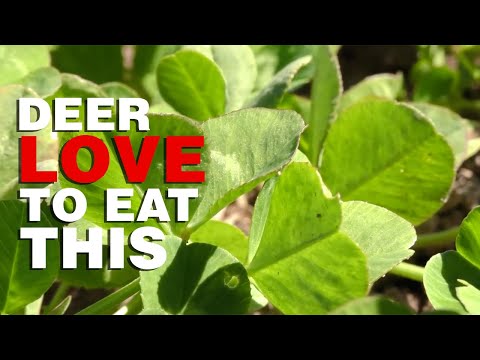
Tender legumes and forbs offer protein and easy energy. Alfalfa and white clover show up a lot in food plots and pastures—deer always go for the newest growth first because it’s loaded with protein.
Clover grows low and thick, making it an easy meal. Forbs cover a wide mix of herbs and broadleaf plants.
Deer eat a lot of forbs in summer since they’re packed with moisture and nutrients. You’ll see them grazing in fields, at the edges, and in clearings where forbs take over.
If you plant a small patch of clover or alfalfa, you’ll probably get deer showing up on a regular basis.
Seasonal and Regional Food Preferences in Deer Diet

Deer change up their diet with the seasons and depending on where they live. In spring, they eat fresh greens. In summer, they go for fruits and forbs. Fall brings a focus on nuts and high-energy plants.
Spring Greens and Tender Leaves
When spring rolls around, deer go after tender leaves and new shoots on shrubs and saplings. You’ll see them munching young maple leaves, willow shoots, and the newest growth on ash and dogwood.
These parts are packed with protein and are easy for deer to digest after a rough winter. Forbs and garden plants attract deer, too.
Dandelions, brassicas, and hostas get eaten as soon as they pop up. Sometimes you’ll catch deer in yards, yanking up daylilies, impatiens, or roses for those soft shoots.
Even cereal grains like winter wheat or oats that green up early can bring deer in to feed.
Woody browse sticks around, but deer focus on buds and new twig tips instead of tough, old stems. In thick cover, they’ll pick shrubs like greenbrier or young saplings over mature branches.
Summer Fruits and Forbs
Summer means soft mast and a big variety of forbs. Deer eat sunflowers, wild grapes, and beans when they can find them.
Forbs like goldenrod, ragweed, and buckwheat are great for fawns and does that are nursing. Crops play a big role, too.
Soybeans, corn silk, young ears, peas, and sunflowers bring deer into fields. You might catch them sampling garden veggies like beets, pumpkins, or turnips if those are ripe or the soil’s been disturbed.
Deer usually avoid toxic or low-value plants like mountain laurel, rhododendron, and big patches of poison ivy. They’ll ignore tough evergreens like yew or arborvitae unless there’s really nothing else to eat.
Fall Mast and High-Energy Foods
When fall arrives, deer start seeking out high-energy foods to pack on fat for winter. Acorns and other hard mast are favorites in a lot of places, so you’ll often spot deer gathering under oaks.
Soft mast, like apples, berries, and wild grapes, gives them a quick energy boost during this stretch. You’ll probably notice deer moving between these food sources, sometimes ignoring everything else.
Agricultural fields change a lot in the fall. As corn, sorghum, and soybeans mature, these fields pull in deer from all over.
Pumpkin patches and piles of harvested grain? Deer love those too, and activity ramps up around them.
Location makes a big difference. Up north, when forbs die back, deer really start relying on winter browse like white cedar and holly.
But in warmer regions, deer can usually find green browse and keep hitting shrubs and low plants much later into the season.


