
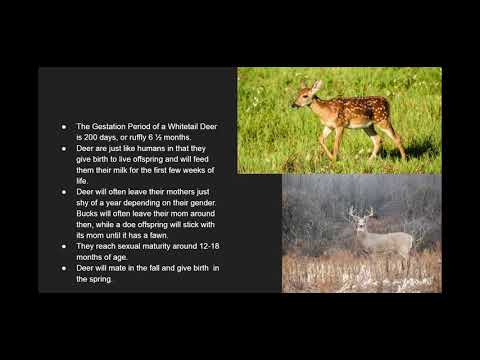
Most deer carry their young for about 200 days, so that’s roughly six to seven months. If a doe breeds in the fall, you’ll usually see fawns show up in late spring or early summer.
Pregnancy length actually changes from species to species, and the timing links closely to the seasons. You’ll get the basics here on how long gestation lasts, what can affect it, and how the mating season shapes fawn births.
Let’s look at how different deer and their seasonal rhythms affect when fawns arrive. This can help you spot patterns in the wild or just plan around fawning season.
How Long Is a Deer Pregnant? (Gestation Periods by Species)
Deer pregnancies last several months, but it depends on the species. Most North American deer keep their young for about seven months, while the larger species stretch it to eight or nine.
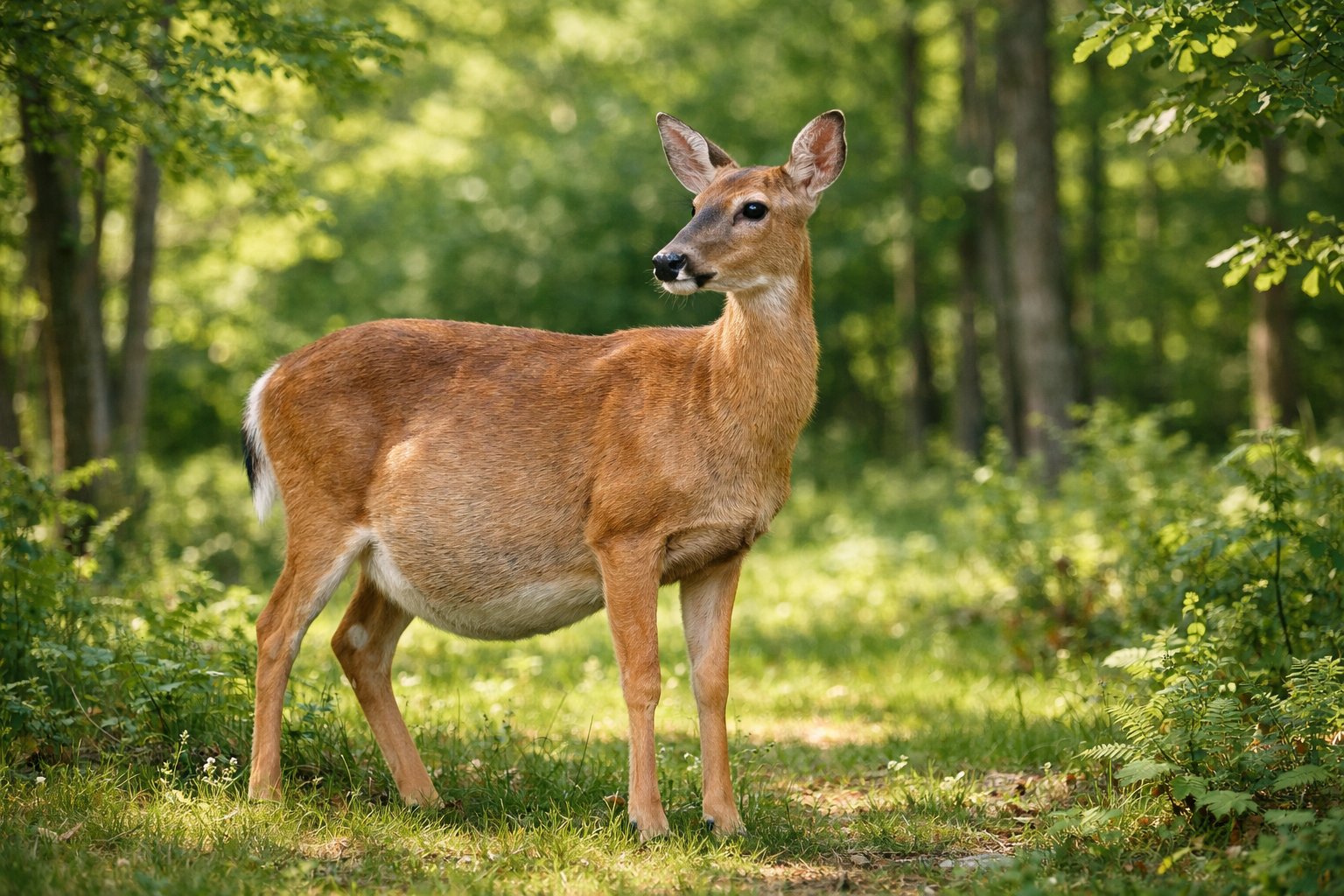
White-Tailed Deer Gestation
White-tailed deer stay pregnant for about 200 to 210 days. If they mate during the autumn rut, fawns pop up in late spring or early summer.
Yearling does sometimes have shorter pregnancies and usually just one fawn. Older does often have one or two.
Nutrition really matters here. A well-fed doe supports normal fetal growth and gives birth on time. If she’s stressed or malnourished, development can slow down or fawn survival drops.
Wildlife guides usually list 200 days as the standard for white-tails, and that’s what most folks go by.
Mule Deer Pregnancy Length
Mule deer gestation usually falls between 190 and 210 days. Fawns show up in spring, which matches up with new plant growth and better food for both the mother and her fawn.
These deer live in different habitats and elevations compared to white-tails. Twin rates are lower than in well-fed white-tailed populations.
Pregnancy length can shift a few days based on climate, the doe’s age, and food.
Gestation in Elk, Moose, Red Deer, and Reindeer
Bigger deer species stay pregnant longer. Elk (or wapiti) carry calves for about 240 to 260 days. Moose pregnancies go for 230 to 240 days.
Red deer usually range from 233 to 262 days. Reindeer (caribou) have gestation periods around 230 to 240 days, though some groups show delayed implantation that tweaks the timing.
These longer pregnancies make sense since the newborns are bigger and more developed. Environmental cues and evolutionary quirks, like delayed implantation, help make sure calves arrive when food and weather work in their favor.
If you’re working with or studying these animals, you’ll want to check the specific numbers for each species.
Seasons, Reproductive Cycle & Factors Affecting Pregnancy Length

Let’s get into when deer mate and give birth, how their reproductive cycle ticks along, and what can change the length of pregnancy.
Timing of Rut and Fawning Season
The rut usually kicks off in autumn as days get shorter. In North America, white-tailed deer often mate from October through early December.
Rut timing shifts with latitude. Northern herds mate earlier or in a shorter window than southern ones.
Fawns arrive in late spring to early summer, about 200–210 days after conception for most species. This lines up with the best food and cover for newborns.
Other deer—elk, moose, and so on—also rut in fall and give birth in late spring, though the exact dates and gestation times differ.
In warmer regions, rut and fawning can stretch over a longer span. Habitat quality also plays a role in when does come into heat and when fawns are born.
Reproductive Cycle and Delayed Implantation
A doe’s cycle starts with estrus during the rut. Mating often triggers ovulation.
Fertilization creates a blastocyst, which is just an early embryo. In some species, it either keeps developing or goes dormant for a bit—this is called embryonic diapause or delayed implantation.
Delayed implantation holds the blastocyst before it attaches to the uterus. This pause helps time birth with good seasons.
Not every deer species does this for long. Mule deer and white-tails usually implant right away, but some cervids, like certain roe deer, delay it more.
Hormonal signals from the doe and things like day length decide whether the blastocyst implants now or waits. Nature can be oddly precise that way, can’t it?
Factors Influencing Gestation Duration
Gestation length really depends on the species. Moose usually carry for about 230 to 250 days. Elk go a bit longer—think 240 to 265 days. Many deer, like white-tailed and mule deer, tend to fall in the 200 to 210 day range.
Size and species play the biggest roles here.
Nutrition and age matter too. If a pregnant doe isn’t in great shape, her gestation might shift a little, and her fawns could end up smaller.
Stress or disease? Those can seriously mess with embryo development or even cause pregnancy loss.
Genetics and weather sometimes throw off the timing, especially for populations living on the edge of their usual range.
Humans have an impact as well. Hunting pressure, shrinking habitats, and even supplemental feeding can all change when does breed and how pregnancies go.
If you’re monitoring deer, pay attention to species, where they live, and their body condition. That info helps you figure out what to expect for pregnancy length.


