
Maybe you’ve heard the word “venison” at a farmers’ market or spotted it on a restaurant menu. People use venison as the common name for deer meat. The term actually comes from old hunting words and once described all sorts of game animals.
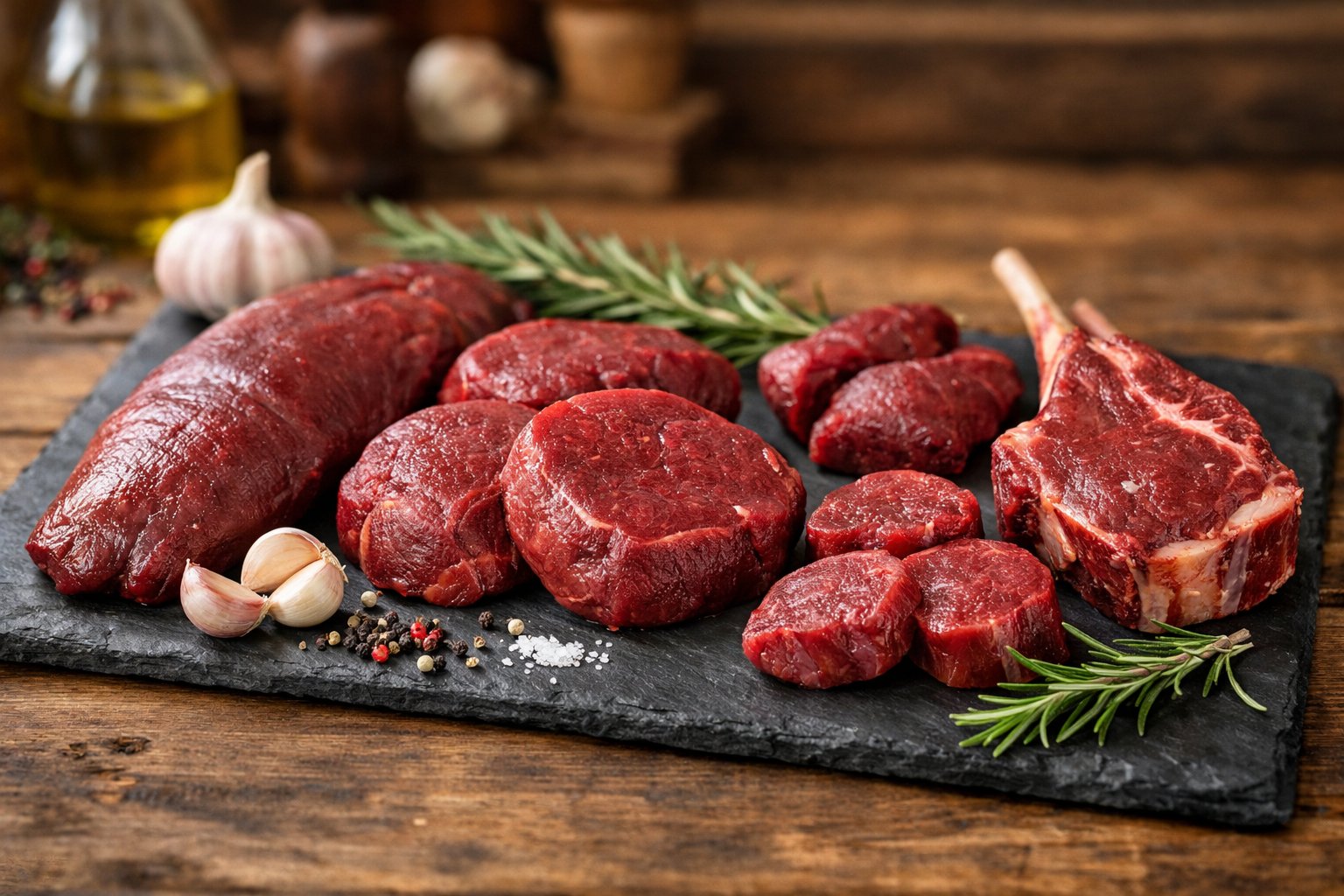
Curious why folks use that word? Wondering how venison tastes, or how it stacks up against beef or lamb? Let’s get into the history, the flavor, and some easy ways to cook it so your next meal doesn’t disappoint.
What Is Deer Meat Called and Why?

Most people just call deer meat “venison.” But where did that come from? The answer has a lot to do with hunting history, Norman French, and the way butchers label different deer species in the kitchen.
Origin of the Word Venison
The word “venison” comes from Old French and Latin roots that connect to hunting. After the Norman Conquest of 1066, Norman French speakers brought the term to England, and it replaced some older English names for hunted meat.
The Latin verb venari means “to hunt.” That led to Old French words like venaison, and eventually, English “venison.”
You’ll spot “venison” in cookbooks and on labels because it sounded fancier than just “deer meat.” In Britain, marketers later pushed terms like cervena to make the product seem more premium. The name stuck to the meat, not the animal itself.
Historical and Cultural Significance
Venison used to signal social status. Nobles and royalty kept deer hunting and venison for their own feasts.
Medieval English laws even controlled who could hunt deer. That’s why venison became a symbol of privilege and celebration.
Across Europe, venison shows up in classic dishes. Game meat traditions vary: in Britain, red deer and fallow deer are the stars, while in North America, folks eat white-tailed deer and elk.
The word “venison” helped separate the idea of meat from the living animal, and it gave menus a formal vibe.
Deer Species and Other Animals Included as Venison
These days, “venison” usually means meat from deer like white-tailed deer, red deer, fallow deer, axis deer, and elk (or wapiti). In North America, people sometimes label elk and even moose as venison, though moose doesn’t show up in stores that often.
Some sellers use names like cervena or just “venison” to market farmed or imported deer meat. Wild deer meat tends to be leaner than beef.
If you hunt, buy, or process venison, check the species and where it came from. Wild and farmed deer—and related game—can taste quite different, and they don’t all have the same fat or follow the same rules.
Venison Characteristics, Nutrition, and Culinary Uses
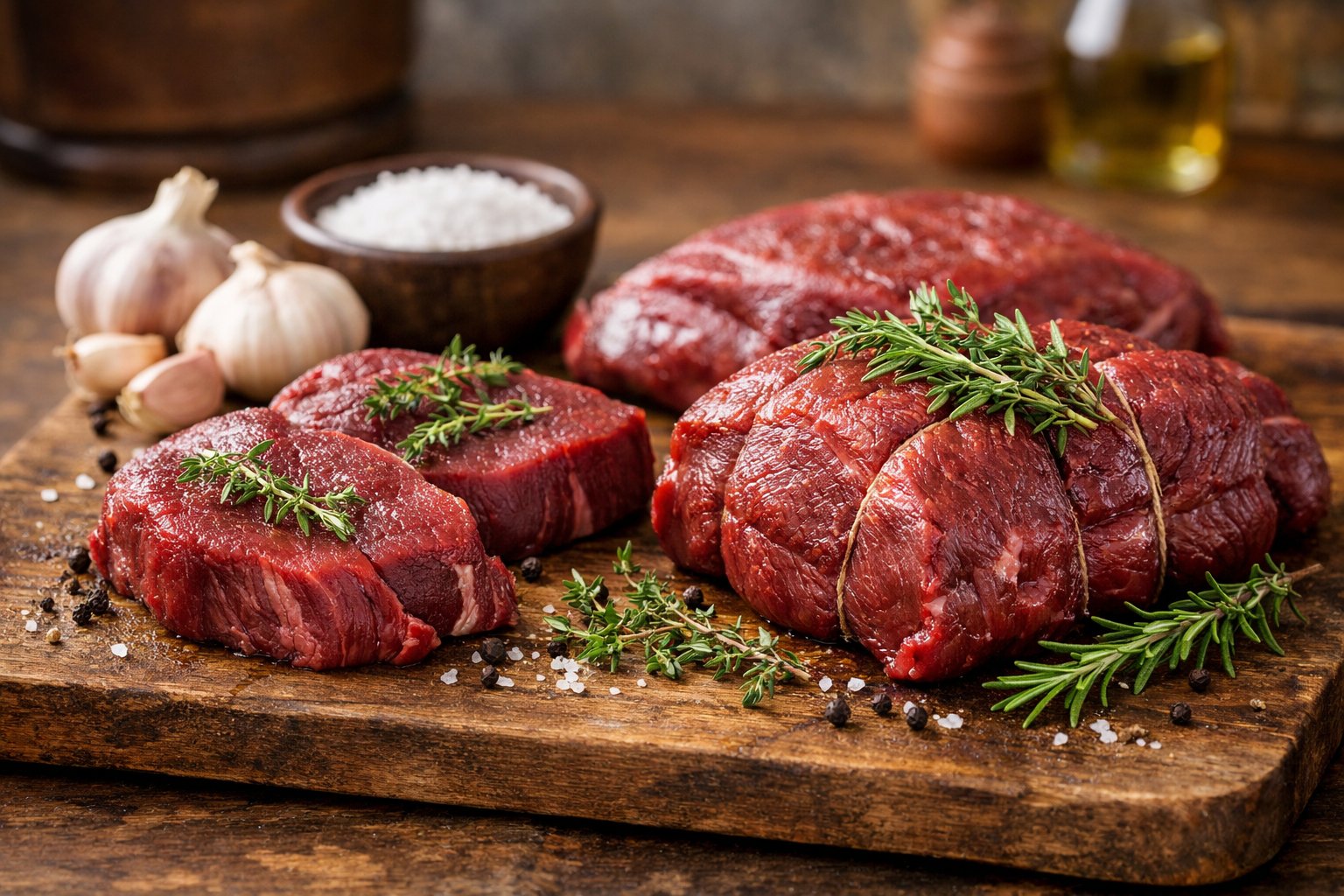
Venison is a lean red meat with a firm texture. Its flavor is rich, a little sweet, and pretty unique.
It’s got more protein and less fat than most farmed meats. Since it cooks fast, you’ll want to keep an eye on the temperature and timing.
Nutritional Value of Venison
Venison brings a lot of protein and not much fat. A typical 3-ounce cooked serving offers about 22–26 grams of protein, with way less fat than the same amount of beef.
If you’re looking to build muscle or cut calories, venison is a solid pick.
It also gives you iron, zinc, B vitamins (especially B12 and niacin), and even a bit of omega-3s. Wild deer sometimes have more healthy fats like conjugated linoleic acid (CLA) than grain-fed animals.
Eat venison often and you’ll get nutrients similar to lean beef, but with less saturated fat.
Nutrition depends on the cut, though. Tenderloin and loin are very lean, while shoulder and shank have more connective tissue and do better with slow cooking.
Ground venison works best if you mix in a bit of fat for burgers.
Venison Taste and Gamey Flavor
Venison tastes richer and a bit sweeter than beef. People often call it “gamey”—meaning it has a deeper, earthier flavor from the animal’s wild diet and age.
Younger deer taste milder, while older ones can be stronger and more intense.
If you handle it right, you can cut down on off-flavors. Quick bleeding, good chilling, and aging (letting it hang in a cool spot for a few days) help a lot with both tenderness and taste.
Marinating with vinegar, citrus, or bold herbs balances out gamey flavors, especially in stews or burgers.
How you cook it matters, too. Searing steaks quickly keeps the flavor cleaner, almost beef-like. Slow braising or stewing brings out the richer, wilder notes and breaks down tougher cuts.
Popular Venison Dishes and Cooking Methods
You can use venison pretty much like beef, but you’ll need to tweak a few things. Steaks, roasts, stews, and venison burgers (usually mixed with pork fat or bacon for juiciness) are all popular.
Ground venison is great in chili, meatballs, or tacos.
Steaks and tender cuts cook fast—just sear them hot and let them rest. Medium-rare or medium is usually best.
Tougher cuts like shank or shoulder need slow cooking. Brown the meat first, then simmer until it’s fork-tender.
Marinades add moisture and flavor. Try oil, vinegar or wine, garlic, and rosemary for a simple mix.
When swapping venison for beef in recipes, cut down the cooking time for tender cuts, and add some fat to ground mixes for a better bite.
Sourcing and Preparing Venison
You can find venison from hunters, deer farms, specialty markets, or even some grocery suppliers. Wild venison tastes different from farmed meat—white-tailed deer, for example, pick up flavors from their diet and where they live.
If you hunt or buy wild venison, make sure someone dressed and cooled it properly. That step matters a lot because it helps avoid spoilage.
Take a moment to check for health advisories in your area. Chronic wasting disease (CWD) sometimes pops up in deer populations, and that’s something you don’t want to mess with.
Don’t use meat from animals with CWD. Follow your local testing guidelines—better safe than sorry, right?
When you’re getting venison ready, trim off any extra fat and silver skin. Thaw frozen cuts in the fridge, not on the counter.
If you have whole muscles, try aging them in the fridge for a few days. That trick can make the meat more tender.
Always cook ground venison to a safe internal temperature. For steaks, let them rest after cooking so they stay juicy.


