
You might picture deer snoozing like your dog at home, but honestly, they break up their sleep into a bunch of short naps all day and night. Most deer rack up about 3–6 hours of sleep in 24 hours, and it’s almost always in quick, watchful bursts instead of one big stretch.
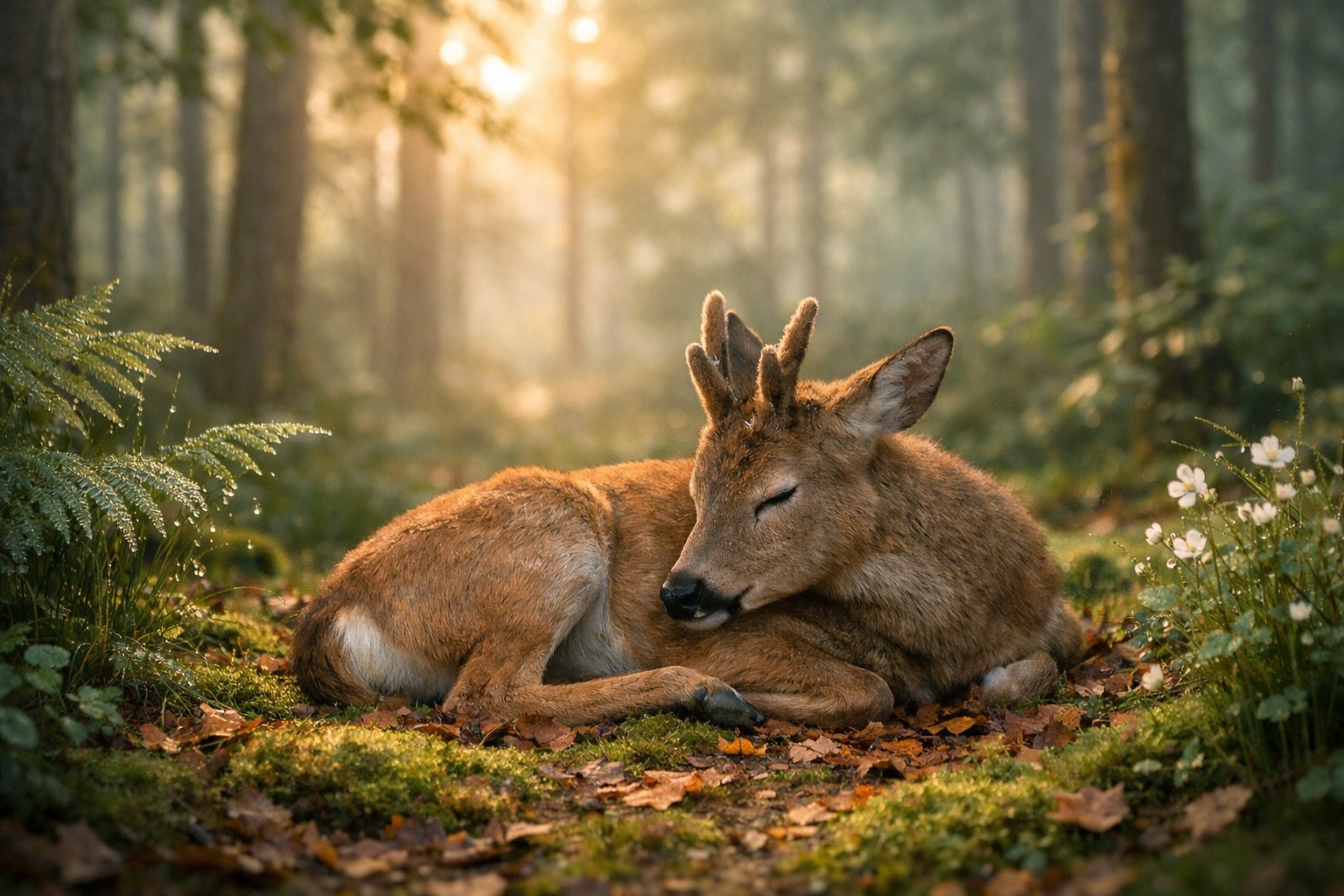
If you want to catch deer while they’re sleeping, you’ll need to know the times, spots, and even the weird positions they choose to stay safe. You’ll also find out why their sleep looks so choppy, and how things like sunlight, predators, or the season shake up their habits.
How Long Do Deer Sleep Each Day?

Deer don’t sleep in one go—they take short naps that add up over the day and night. You’ll usually see them sleep a few hours in total, and fawns do things a bit differently from adults.
Typical Sleep Duration for Adult Deer
Adult deer generally get about 3 to 6 hours of sleep every day. Instead of long stretches, they nap in lots of quick sessions.
Some naps last only a minute or two, and sometimes they’ll rest for 20–30 minutes if they feel safe. Most of their sleep stays pretty light—just slow-wave stuff. Deep REM sleep? That’s rare, and they only risk it for a couple minutes at a time since it makes them easy targets.
Deer tend to rest longer during daylight, since they’re busiest at dawn and dusk. If predators are lurking or the weather’s nasty, they’ll cut back on sleep even more.
Deer Sleep Cycles and Polyphasic Patterns
Deer use what’s called a polyphasic sleep pattern, which just means they nap a bunch of times day and night. You’ll notice them cycle between being alert and grabbing quick micro-naps every hour or two.
These tiny naps let them stay aware of danger while still getting some rest. When they’re just dozing, you’ll see them lie down with their legs tucked under. For deeper sleep, they’ll sprawl out a bit more.
Sometimes, deer even manage to doze while standing, just to be ready to bolt. If there’s lots of food around or the season demands more foraging, they’ll nap less and keep their sleep even shorter.
Differences in Sleep for Fawns and Adults
Fawns definitely sleep more than grown deer—sometimes 8–12 hours a day if you count all the dozing. Newborns especially will nap for longer stretches in their first weeks, which helps them grow and develop.
Their naps are still scattered, but you’ll find them curled up and hidden for safety. As fawns get older, they start sleeping more like adults, with shorter and more frequent naps.
If a doe senses danger, she’ll stay extra alert, and her fawn will end up sleeping less. Weather and predators both mess with how long deer sleep, but young deer always seem to need more rest than adults.
How, When, and Where Deer Sleep

Deer don’t just doze anywhere—they pick spots that keep them hidden but let them see what’s coming. Most sleep in quick, scattered naps and change their posture depending on their age and how safe they feel.
When Do Deer Sleep and Their Daily Rhythms
Deer are crepuscular, which means you’ll see them moving around mostly at dawn and dusk. They feed during those times and nap between meals or when traveling.
You can expect deer to spread 3–6 hours of rest across the whole day and night, not in one chunk. If things feel safe at midday, deer might bed down for a longer doze.
At night, they’re usually more on edge, especially if they’re near people or roads. Bucks during rut barely sleep at all for days, which sounds exhausting. Fawns, on the other hand, sleep a lot more and stay hidden while their mom’s off feeding.
Deer Sleep Patterns and Postures
Deer rely on fragmented sleep—lots of quick naps that add up to several hours. You’ll spot them dozing for seconds or a few minutes, with deeper REM sleep adding up to maybe 20–40 minutes a day.
This choppy sleep lets them wake up fast if something sneaks up. Common positions include lying on their side with their head up, or for fawns, curled up with their nose under their legs.
Deer can sometimes nap standing up, but for deeper rest, they’ll always lie down. Sometimes they even sleep with their eyes half open and their ears twitching, just in case.
Where Deer Sleep and Bedding Choices
Deer pick their bedding spots based on a mix of cover and how well they can see. You’ll spot them tucked into tall grass, hanging out along brush edges, or lying low in cedar thickets.
Sometimes, they settle along stream banks where they can hide but still keep an eye out for predators. Roadsides and sunny embankments seem to draw them in too—especially when it feels safe or a bit warmer.
Different species? They’ve got their preferences. White-tailed deer stick close to thick cover near the edges. Mule deer go for broken, uneven terrain, while moose usually flop down in willows or marshy patches.
Deer tend to come back to the same bedding spots, and sometimes they’ll bed in groups just to feel a bit safer. If you see flattened grass or little trails weaving through the brush, you’re probably looking at fresh bedding signs.


