
Most folks just call a male deer a buck and a female a doe. If you spot a young one, that’s a fawn. Those basic names work for most species in the deer family (Cervidae), though you’ll hear other terms for different ages, sexes, and species.
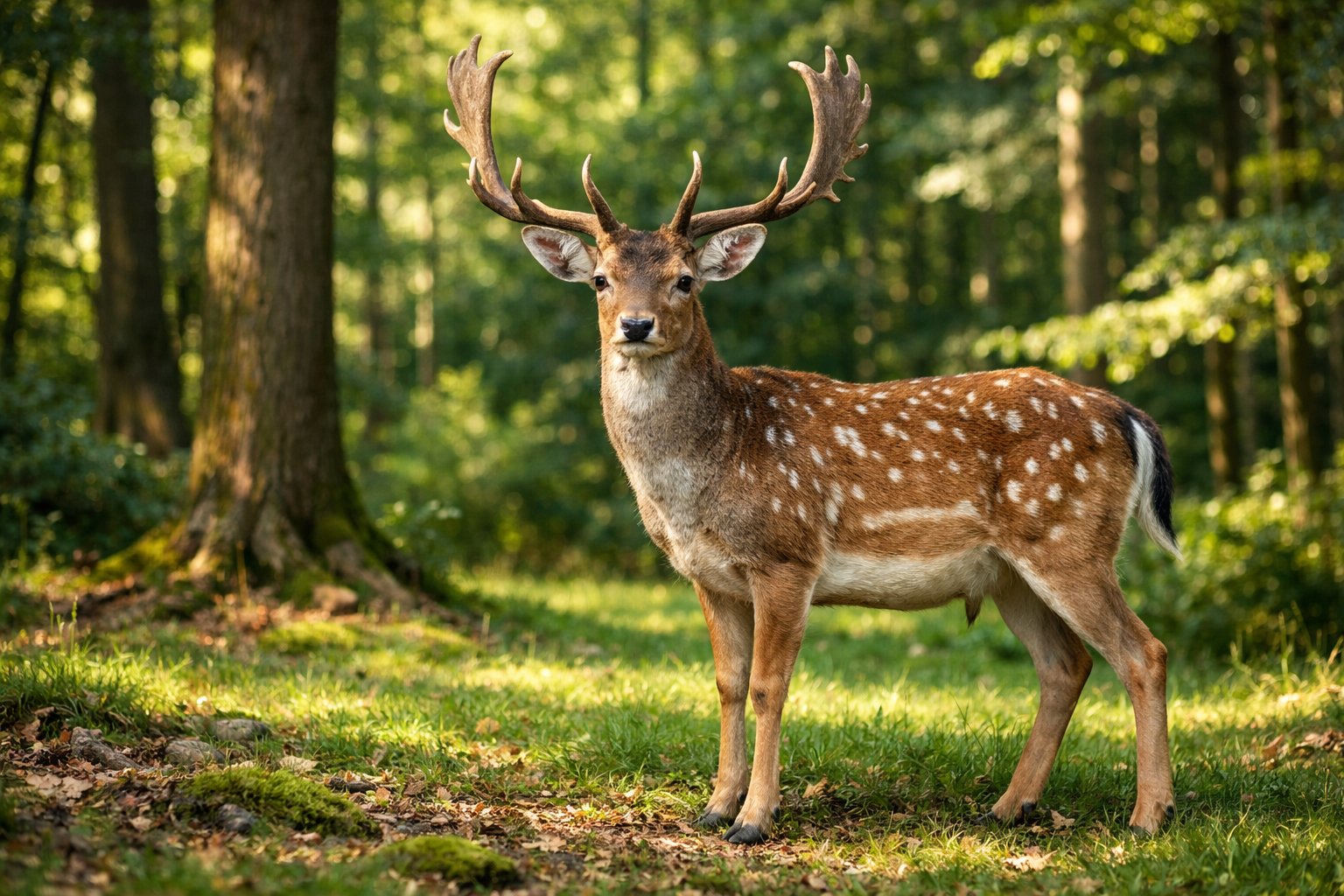
Age and sex can totally change what you call a deer. People often call groups a herd, but some species have special names like stag or bull.
Let’s dig into the key terms that make talking about deer a little less confusing.
Deer Names by Age and Gender
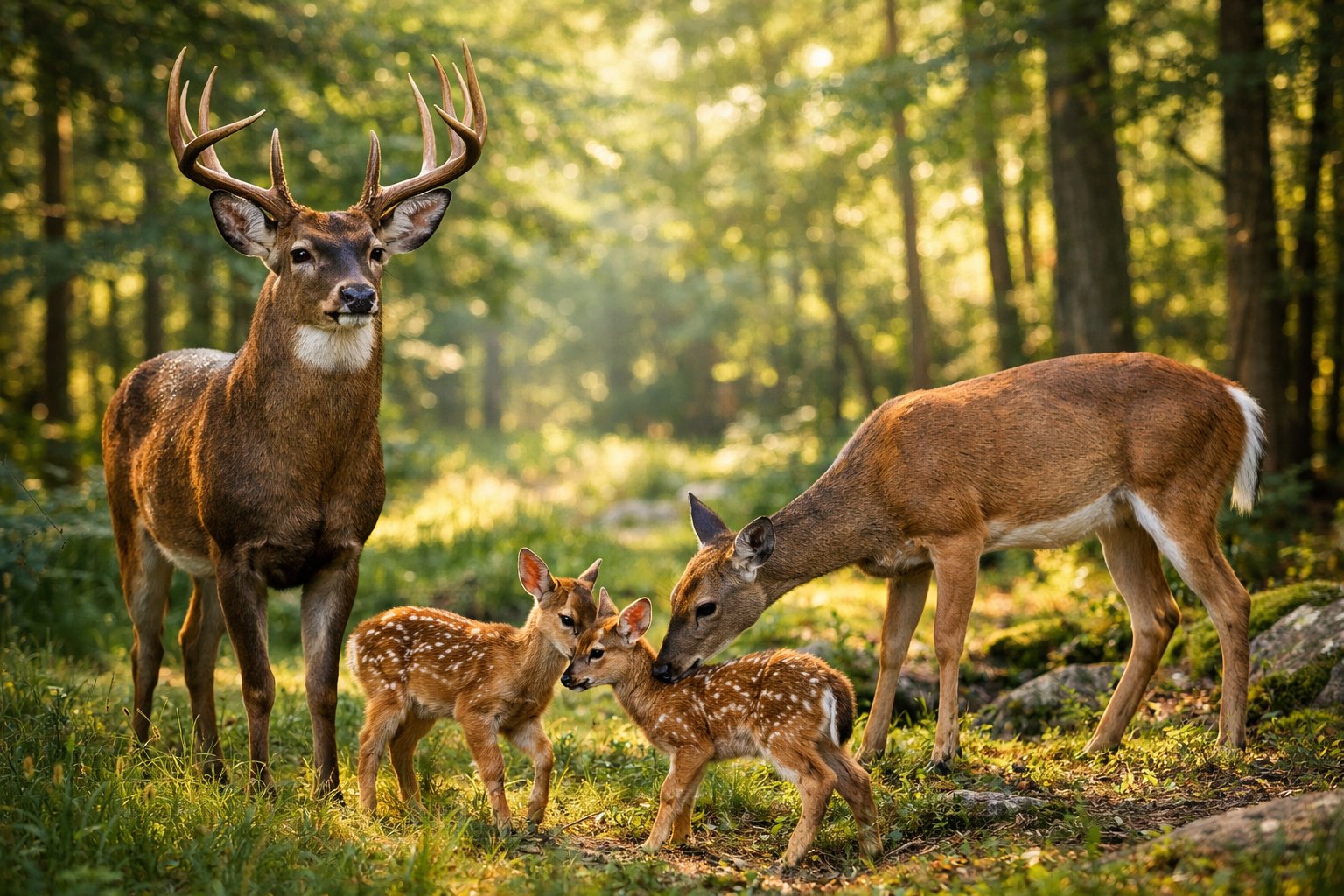
Deer names shift depending on age, sex, and sometimes species. You’ll want to know the basics for males, females, young, and a few regional quirks.
These terms show up everywhere—signs, reports, field guides, you name it.
What Is a Male Deer Called?
In North America, most people just say buck for a male deer. Bucks grow antlers, then shed them each year.
You’ll see “buck” for white-tailed, mule, and plenty of other deer.
For bigger species or in old-school English, you might run into stag, hart, or bull. Folks use “stag” for mature males in Europe or for red deer.
“Hart” pops up in older literature. “Bull” usually means elk and moose, but sometimes people use it for large deer too.
If you’re talking about age, a yearling male could be called a young buck or a spike buck (if the antlers are just spikes). A button buck is a very young male with little antler bumps.
These details come in handy for sizing up deer or following hunting rules.
What Is a Female Deer Called?
Most of the time, people call a female deer a doe. Does usually don’t have big antlers, though there are rare exceptions.
“Does” covers adult and mature females in most everyday talk.
In Britain and in some guides, you’ll see hind for larger species like red deer. For elk or moose, people often say cow instead of doe.
If you want to get it right for a certain species, it helps to check a field guide.
When you try to tell the difference in the wild, look for body shape, size, and whether antlers are there. During the rut, males get louder and show off, while does often stick with fawns.
What Is a Baby Deer Called?
Just about everyone calls a baby deer a fawn. Fawns are tiny, and in lots of species, they have little white spots that fade as they get older.
“Fawn” means a young deer of either sex, usually up to a year old.
Sometimes you’ll see calf or kid in certain places or old books. “Calf” is more common in general mammal talk, and “kid” is pretty rare for deer, but it does happen.
As they grow, a male fawn becomes a buck and a female fawn becomes a doe.
When deer hit their second year, people call them “yearlings.” This matters for hunting rules and for conservation folks who track age classes.
Spotting fawns in the wild is important for keeping them safe, especially during those first few weeks.
Variations in Deer Terminology
Language really shifts by place and species. Americans usually say buck and doe, while in Europe, stag and hind are common.
For elk or moose, you’ll hear cow and bull. Old words like hart show up in classic books or place names.
You might see these labels in reports:
- Age: fawn, yearling, adult
- Male: button buck, spike buck, stag
- Female: doe, hind, cow
Context matters. A scientist, a hunter, and a poet might all pick different words. It’s smart to check a species-specific guide if you need to be exact.
Group and Species-Specific Names
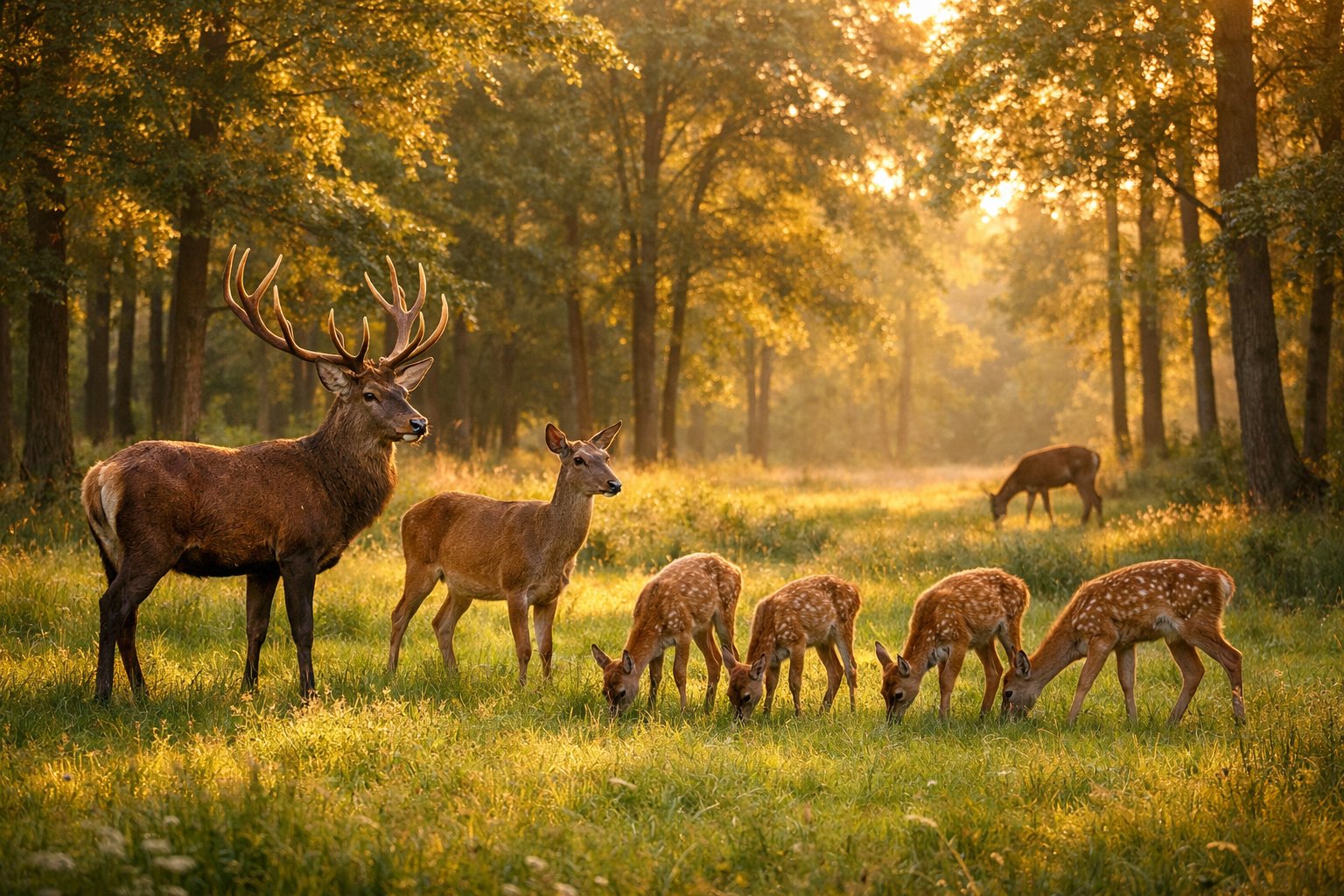
Deer hang out in groups, and there are plenty of names for those gatherings. You’ll hear the usual collective terms, plus some old-school or regional ones.
Names also change by species and sex.
What Is a Group of Deer Called?
Most people just call a group of deer a herd. This works for white-tailed deer, mule deer, red deer, elk (sometimes called wapiti), moose, and caribou when they’re together.
Other collective nouns like mob, parcel, bevy, leash, and gang pop up too. “Mob” usually means a big, rowdy group, while “bevy” sounds more poetic or is for smaller groups.
Don’t say “deers”—the plural is just deer.
Herds form for safety, mating, or making it through winter. Female groups often stick together all year, but males usually join up during the rut.
Herd size can be tiny (like with roe deer or muntjac) or massive—caribou herds can reach thousands.
Unique and Regional Deer Names
Regional and old-timey names show up depending on culture and language. Older English books use parcel or rangale for big groups.
In hunting stories or folklore, you might see bevy or leash.
Species names can shift too. In North America, “herd” covers elk/wapiti and moose, but in Europe, you might see “stag” or “harem” in old accounts about red deer.
Some labels come from translation—”reindeer” and “caribou” actually mean the same animal in different places.
You probably won’t see these local names in science papers, but they’re common in field guides and regional books.
Deer Family and Common Species
Deer belong to two main subfamilies. Capreolinae includes New World or cheek-to-tooth deer, like white-tailed deer, mule deer, moose, and reindeer (or caribou).
Cervinae covers Old World deer, such as red deer, sika deer, fallow deer, chital, and barasingha.
Here are some common species:
- White-tailed deer show up all over North America. People often spot them in small herds.
- Mule deer roam western North America, and their group sizes shift with the seasons.
- Red deer and sika deer live across Eurasia. They gather in larger, seasonal herds.
- Elk (or wapiti) and caribou (also called reindeer) create huge herds when they migrate.
- Muntjac, brocket deer, and chital tend to be smaller. They usually keep to themselves or stick to small groups.
Predator-prey dynamics and habitat shape how big deer herds get and how they move.
You’ll probably notice more deer crowded near good cover and food. That changes how often you run into a single deer compared to a big group.


