
You might spot small, tidy openings near logs or under brush and wonder, who’s responsible for those? Yep — deer mice dig shallow burrows and often use old holes for nests, food storage, and shelter. So, those little entrances could mean you’ve got some mouse neighbors in your yard or garden (see more about field burrows here: https://scienceinsights.org/do-mice-make-holes-in-the-ground/).
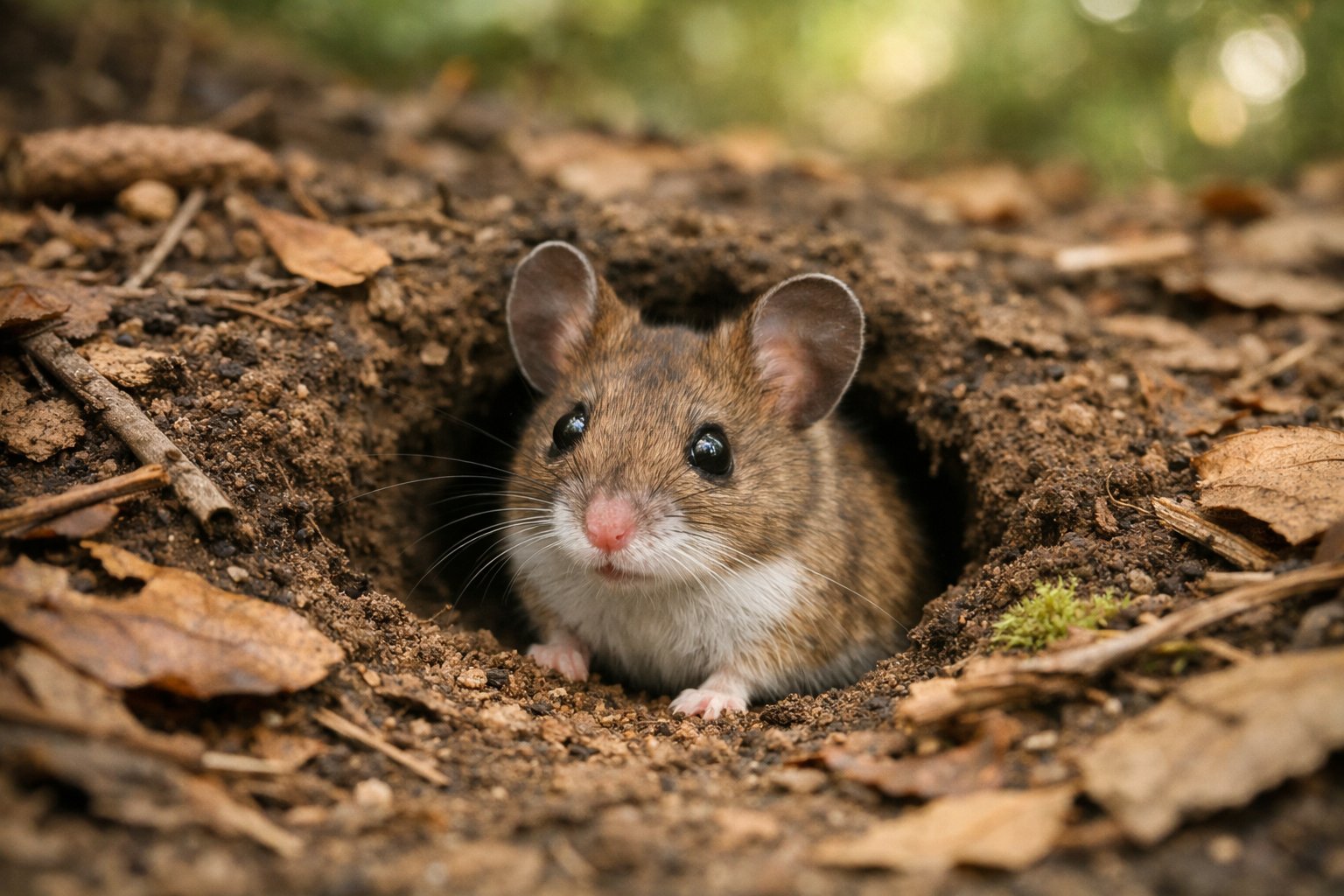
If you’re curious about how to spot deer-mouse holes, what their digging means for your plants or pets, and when to step in, you’re in the right place. We’ll look at their burrow behavior, their role in the ecosystem, and some practical pest management tips.
Burrowing Behavior Of Deer Mice
Deer mice (Peromyscus maniculatus) build small, simple burrows for nesting, food storage, and shelter. You’ll spot shallow entrances, short tunnels, and side chambers for nests in lots of habitats.
You’ll often find these burrows in fields, forest edges, or near stone piles where the soil is loose and there’s good cover. They really seem to like places that keep their nests dry and warm in winter, or cool in summer.
Why Deer Mice Dig Holes
Deer mice dig to shelter their young, stash food, and dodge predators. They definitely get busy burrowing around loose soil and cover, especially if there’s a stone pile or brush nearby.
Digging helps them keep seeds and insects close to the nest. You might find little food caches tucked inside a side chamber instead of scattered outside.
Pregnant females and adults prepping for winter ramp up their digging. When you see fresh soil at a hole’s entrance, that’s a good sign deer mice have been active lately.
Burrowing gives them a way to avoid hawks, foxes, and snakes. In spots with lots of mice, burrow systems sometimes overlap, but each mouse family usually keeps its own main nest chamber.
Types Of Holes And Burrow Structures
Deer mouse burrows tend to stay simple. Picture a main entrance about 1–2 inches wide, a short tunnel, and a little nest chamber lined with grass and fur.
Most burrows stay within 4–12 inches deep, but that can change with the soil or the weather. Some have small food-storage nooks branching off the main chamber.
Others link up with surface runways under leaves or stones. In rocky areas, you’ll see them use natural crevices instead of digging tunnels.
You won’t usually find deep, complicated systems like pocket gophers make. Deer mice seem to prefer quick shelter and easy exits for foraging. When it gets cold, they’ll add more bedding to their winter nests.
Mouse Hole Identification
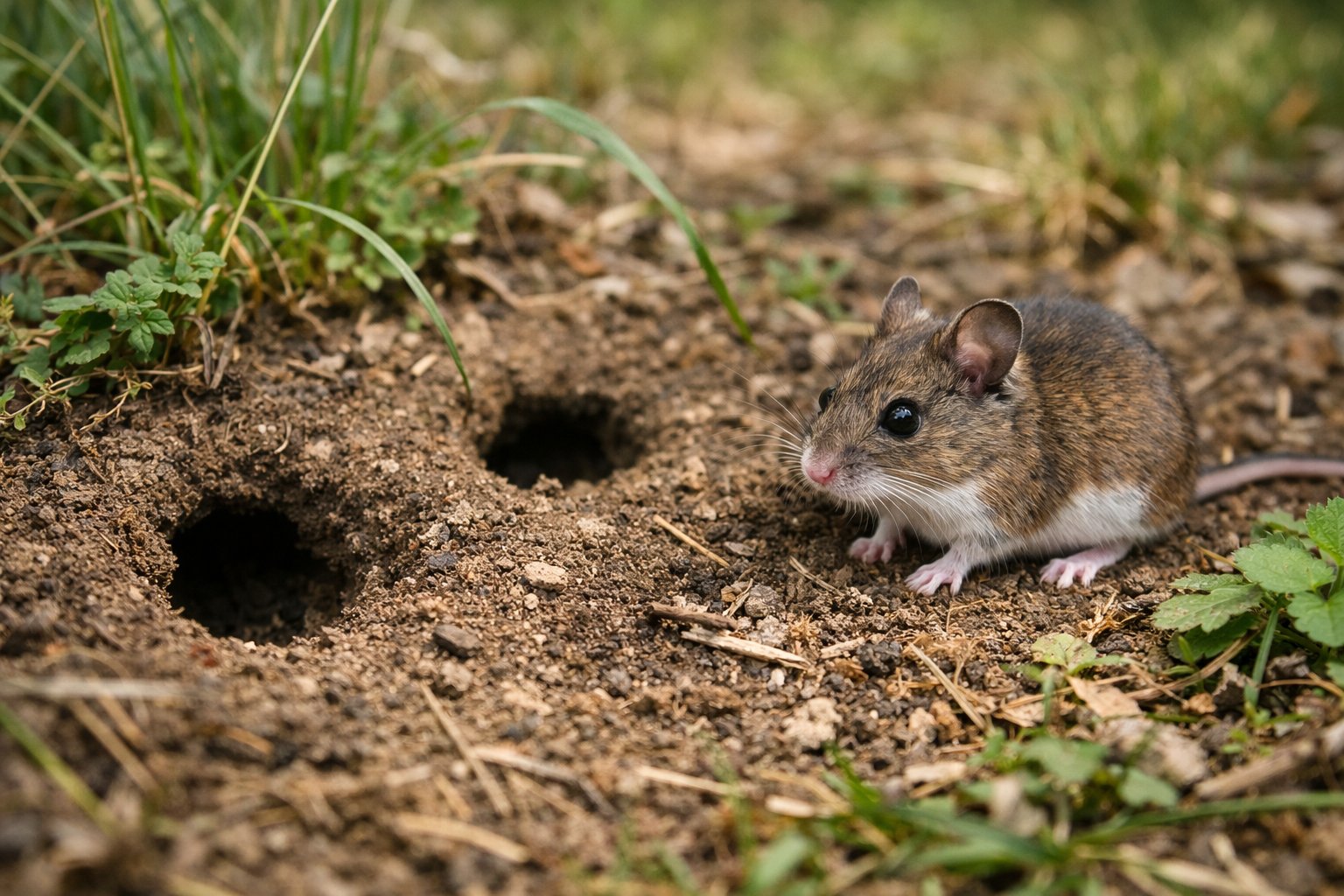
Keep an eye out for small, round entrances 1–2 inches wide with fresh dirt or little paw prints around them. Sometimes you’ll spot fine, sifted soil at the entrance or even tiny droppings nearby.
Runways through grass or leaves often lead straight to the hole. Inside, nests have shredded plant stuff and fur.
If you gently poke with a stick (and local rules allow), you’ll feel a hollow chamber instead of a long tunnel. You might see predator scat or scratch marks near an entrance if the burrow is in use.
You can tell deer mouse holes from vole or rat holes by size and mess. Vole holes are smaller and usually pop up in lawns. Rat holes are bigger and leave greasy trails.
Deer mouse holes are usually neat and hidden under cover.
Comparison With Other Burrowing Rodents
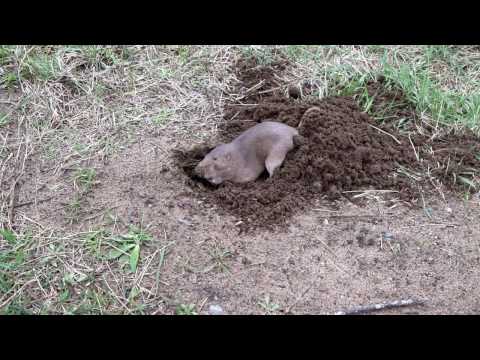
Deer mice create small, modest burrows compared to pocket gophers, ground squirrels, or rabbits. Those animals dig bigger holes, deeper tunnels, and leave big mounds of dirt.
You’ll see big soil piles with gophers, but deer mice don’t leave much mess. Field mice and other Peromyscus species build similar small burrows, while house mice often move into buildings instead of digging outside.
Ground squirrels and badgers really tear up the soil and leave wide-open burrow systems. When you’re comparing, look at entrance size, how much soil got moved, and what materials are inside the nest.
That’ll help you spot Peromyscus maniculatus activity versus other burrowing rodents in your yard or local park.
Impact On Ecosystem And Pest Management
Deer mice change soil and plant health, and their holes often get mistaken for those of other animals. If you’re dealing with an infestation, a few simple prevention steps can help.
Let’s check out how their digging affects soil and gardens, how to tell their holes apart, and what to do if you spot signs of a mouse problem.
Effects On Soil And Gardens
Deer mice can improve soil aeration a bit by making small channels. That lets water soak in and helps air reach roots, especially in packed areas around compost piles or shrubs.
But they also chew bulbs, roots, and seedling stems. In veggie beds or flower borders, this can kill young plants and cut down your harvest.
Watch for tiny bite marks on roots and disturbed dirt around plant bases. Deer mice like loose, well-drained soil, so you’ll often find holes near compost piles, woodpiles, or thick ground cover.
One or two holes won’t ruin a lawn, but a bunch can stress shallow-rooted plants and attract more pests. Keep garden edges trimmed and remove food sources to make your yard less inviting.
Raised beds lined with hardware cloth and sealed compost bins help keep them out. If you’ve got a big problem, trapping works better than poisons, especially if you want to protect pollinators and pets.
Distinguishing From Other Yard Holes
Deer mouse holes are small—about 1 to 2 inches wide. They’re usually at ground level with loose soil pushed to one side.
If you notice a string of small holes near baseboards or foundations, mice are probably the culprits. Rat holes are bigger and deeper, with worn paths and larger dirt mounds.
Groundhog and gopher holes are much larger and leave obvious, fan-shaped soil piles. Moles make raised tunnels and ridges as they hunt for worms.
Voles leave surface runways in grass and chew marks on stems. To confirm deer mice, look for chew marks near seedling bases and small, spindle-shaped droppings about a quarter inch long.
If you spot those signs, it’s safe to treat the area as a mouse problem, not a mole or vole issue.
Signs Of Infestation And Prevention
You’ll probably spot a mouse infestation by noticing fresh droppings, greasy rub marks on your baseboards, or chewed-up food packaging. Sometimes, you might even stumble on nests made from shredded paper or insulation—usually tucked away in wall voids or hidden under porches.
To kick off prevention, seal up any gaps larger than a dime around your foundation, pipes, or vents. The National Pest Management Association actually suggests using steel wool and caulk to close off those entry points.
Try moving firewood and woodpiles well away from your house. Raise compost bins on pallets, and make sure you’ve screened the vents.
If you already have mice, place snap traps perpendicular to the walls and bait them with peanut butter or seeds. Set those traps in spots where you see droppings or greasy marks.
Skip rodenticides in gardens if you’ve got pets or wildlife nearby—they could get into the bait.
Not sure if you’re dealing with deer mice, house mice (Mus musculus), or rats? Jot down the size of any holes and the look of the droppings, then reach out to a local wildlife control or pest pro for help with safe, legal removal.


