
Ever notice deer chewing nonstop or sneaking around your campsite at night? It makes you wonder—are they just always hungry?
Deer aren’t constantly starving, but they do eat a lot. Their digestion needs steady intake and plenty of chewing.
If you get that, you can start to predict when they’ll appear and figure out how to keep your food and camp safer.
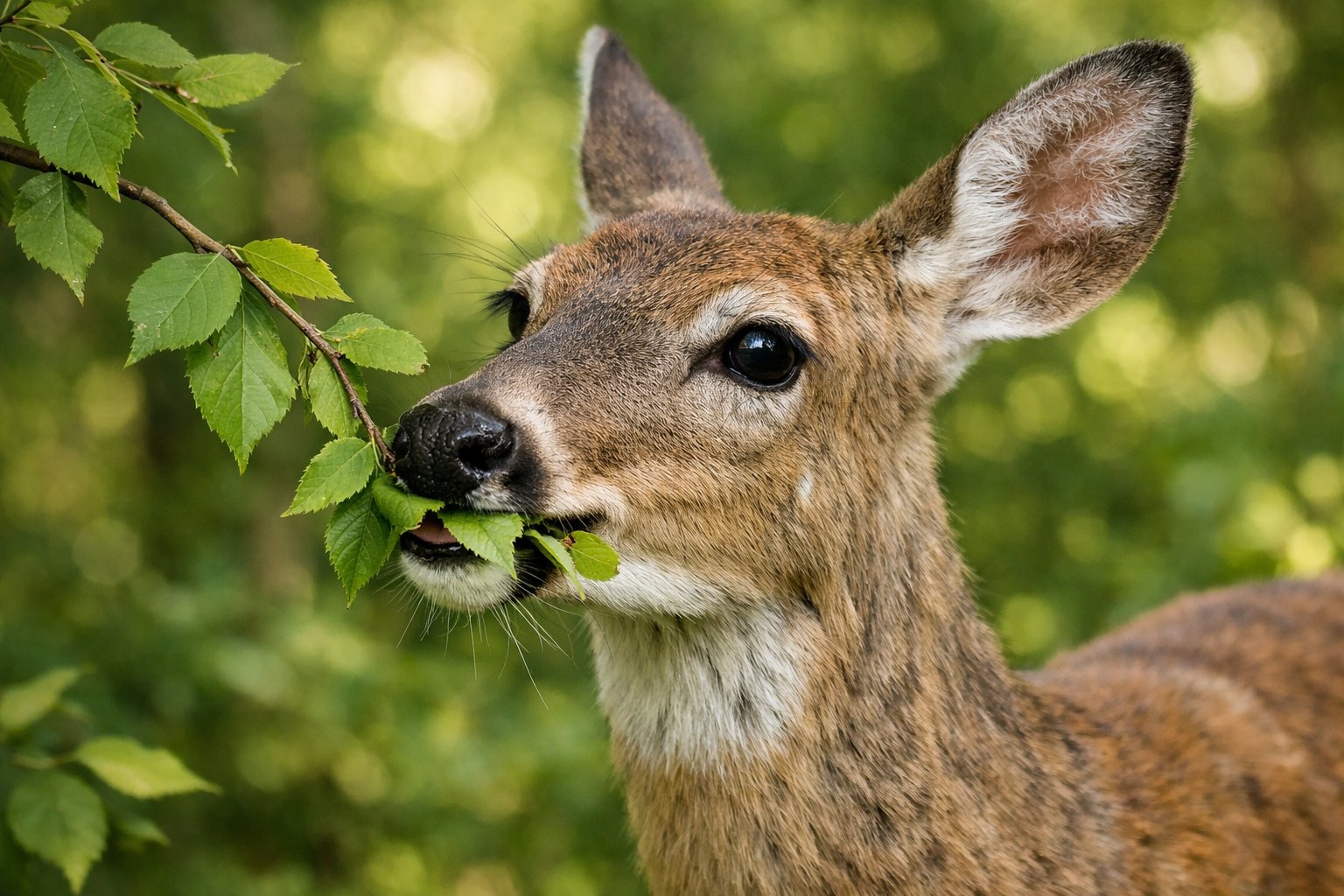
Let’s break down what “always hungry” really means in a survival game and how deer feeding patterns play out.
With this knowledge, you’ll spot signs of deer activity and use some simple tricks to protect your supplies when you’re out in the woods.
What Does “Are Deer Always Hungry?” Mean in 99 Nights in the Forest?
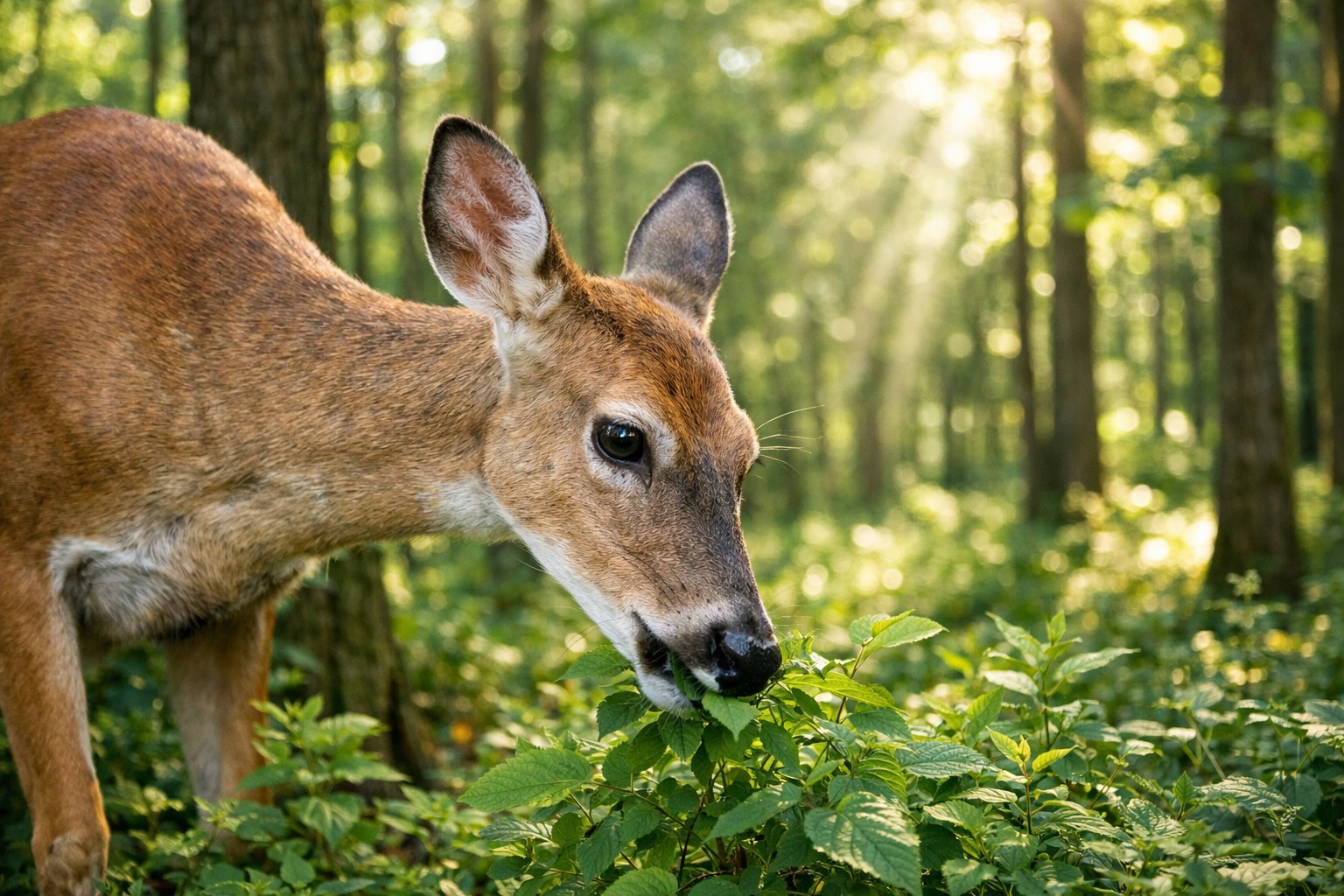
People ask if the Deer’s hunger is just an ongoing thing or if it’s a special event that changes how you play.
The Deer can act normal or suddenly switch into a hungry state where it gets faster, tougher, and looks different.
The Deer’s Hunger State and Visual Cues
When you see the warning “The Deer is Hungry Tonight,” things get serious. The Deer goes into a stronger mode.
You’ll notice red eyes, bigger antlers, and a lower, more animal-like stance. Animations pick up speed too.
These changes tell you it’s time to decide: stay by the campfire or avoid traveling.
Bright lights still help, but they don’t work as well during hungry nights.
Keep an eye out for the pre-night announcement. It usually pops up before dusk and means you’re in for a riskier night.
If you miss it, watch for the Deer’s red glow in the distance. That glow can help you pick a safer path back to camp.
How the Hunger Mechanic Changes Gameplay
When the Deer is hungry, it moves faster and gets more aggressive.
You can’t rely on quick flashes of your flashlight like before.
The Deer shrugs off light for longer, so you really have to time your flashlight.
You’ll want to travel less at night and focus on gathering during the day.
Staying inside the campfire’s glow becomes your best bet on hungry nights.
The event happens randomly, so you’ve got to stay ready.
Stock up on extra light sources and map out escape routes near your base.
Using the terrain to break line of sight can throw off the Deer’s pathfinding, especially around obstacles.
Differences Between Normal and Hungry Deer Behavior
Normal Deer patrols, chases you if you leave the campfire light, and usually backs off if you flash a light or build a fire.
It moves slower, so you get more time to react.
Hungry Deer moves fast, hits harder, and shrugs off light.
Sometimes it drops to all fours and closes distance quickly, making your flashlight less reliable.
You should treat the Deer as the main threat at night.
On normal nights, you can take a few risks, but on hungry nights, you really don’t want to get caught alone or too far from camp.
If you want more details, check out this Deer guide for 99 Nights in the Forest.
Surviving the Deer’s Hunger: Effective Strategies and Tips

Stick close to warm light, keep your noise down, and move with intention when hunger pushes animals—or you—into risky spots.
Use fire and light to control what you can see, plan quick trips, and figure out escape routes before you need them.
Staying Near the Campfire for Safety
Keep the campfire between you and the dark woods.
Set up your sleeping spot and gear so the fire lights up any approach from trees or brush.
That cuts down on blind spots and slows anything lurking in the shadows.
Keep your fire a steady, medium size.
A tiny fire won’t keep animals away, but a massive one burns through fuel and draws attention.
Feed the fire a log every 20–40 minutes, and stash a small pile of dry wood nearby.
Check the wind.
Smoke can hide your scent or blow it right down the trail.
Sit upwind of animal paths to avoid surprise run-ins with deer or predators.
Keep a stick, a metal pot, and a bright flashlight handy.
You want to be ready to poke, signal, or move fast if something gets too close.
Using Flashlights and Light Sources
Use a strong, focused flashlight to scan paths before you step out.
Shine it low and sweep slowly over trunks and brush to catch movement without blinding yourself or your friends.
Bring a red-filter or dim option to save your night vision.
Switch to a bright beam only when you really need to alert or scare off something.
Flashing patterns can signal others and might confuse some predators.
Balance your battery use and brightness.
Pack extra batteries in a waterproof bag and test them before sunset.
A headlamp frees your hands, but a small handheld is good for quick checks.
Don’t flash your light around camp all the time.
That just draws attention.
Stick to short, careful bursts to check your surroundings, and keep a steady beam on anything that moves until it leaves.
Managing Exploration and Travel on Hungry Nights
Plan routes that keep you close to cover and near exits.
Mark trails with reflective tape or rock piles so you can find your way back if things get dark.
Try not to go out after dark.
Combine chores into one trip and stick to paths you know well.
Move slow and listen.
Deer are jumpy and sometimes tip you off to predators if you hear them bolt.
Travel with a buddy when you can.
One person watches the trail, the other sweeps with the flashlight.
Keep your voices low and use hand signals to avoid spooking wildlife or alerting anyone else.
If you have to cross open ground, pick uphill paths and don’t silhouette yourself against the sky.
That way, you’re less likely to run into trouble—animal or human.
Tips for Advanced Survival and Escaping
Set up layered escape plans. Always have a main route, a backup, and maybe even a hidden path nobody expects. It helps to actually know where the thick brush, rocky spots, or nearby roads are compared to your camp—you might need to change direction in a hurry.
Pack a compact whistle, a signal mirror, and a trusty multi-tool. That whistle? It might call for help, or sometimes, just scare off an animal you really don’t want to meet. The mirror’s great for catching sunlight and signaling from far away. Keep a first-aid kit and a thermal blanket where you can grab them fast.
Practice lighting a fire quickly and getting your flashlight working in a pinch. Try timing yourself when you light a fire in the wind, or swap batteries in the dark. These quick, calm moves can honestly make all the difference if something—or someone—takes you by surprise.
Don’t wander off alone to check out every weird noise. If you bump into a group acting odd—maybe they seem aggressive or just plain off—start backing away on your planned route. Don’t turn your back, and try to keep your line of sight clear. Only use your light when you really need it, just to stay aware of what’s around.


