
Yep — deer absolutely live in the UK, and honestly, they pop up in places you might not expect. Six species roam wild across Britain, from woodlands and parks to fields and wetlands, so there’s a real chance you’ll spot one if you’re anywhere near those habitats.
You’ll figure out which species are native, which ones arrived later, and how to tell them apart. I’ll also cover where they like to hang out.
This should help you spot deer safely and get why they’re showing up more in lots of places.
If you want quick facts on each species and their ranges, just check the British Deer Society’s guide to UK deer species.
Deer Species in the UK
Britain’s got several deer species, and each one looks and acts a bit different. Some are big, some small, and their habitats and markings can really help you tell them apart.
Let’s get into the basics, so you can spot them and know which ones are actually native.
Red Deer
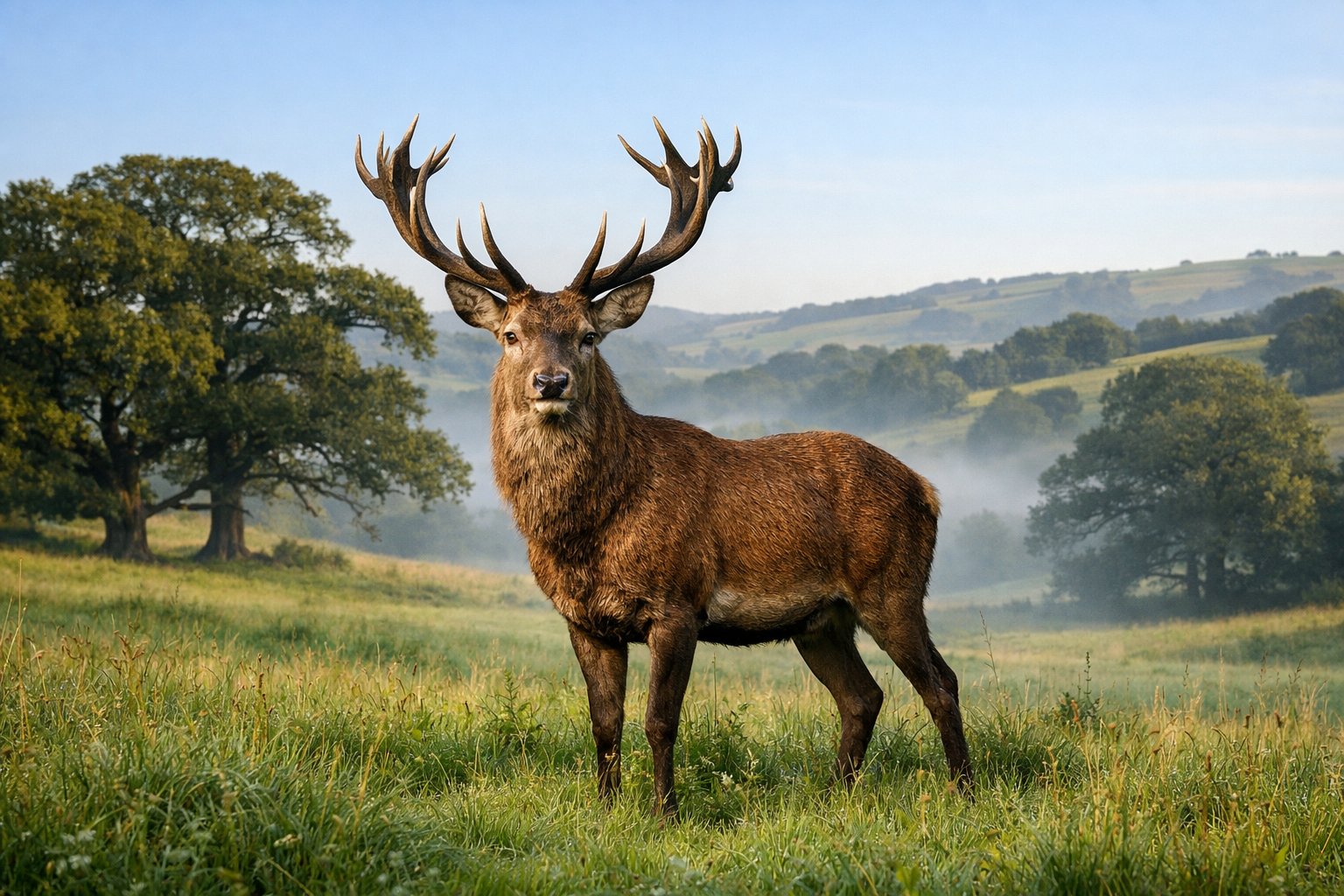
Red deer are the UK’s biggest wild deer. Males (stags) can hit over 200 kg and grow massive, branching antlers every year.
They like open moorland, hills, and the edges of woods — especially in Scotland and southwest England.
You’ll often see them in big herds outside the rutting season. When autumn arrives, stags start roaring and fighting to win females, so they’re easier to spot at dawn or dusk.
Red deer have started to spread out more, so it’s not just the Highlands where you’ll find them now.
Identification tips:
- Colour: reddish-brown in summer, darker when it’s cold.
- Size: way bigger than roe or fallow deer.
- Antlers: broad, multi-branched on stags.
Roe Deer
Roe deer are smaller and you’ll find them all over, especially at the edge of woods, in hedgerows, and on farmland. They’re native to Britain.
You’ll usually see them alone or with their family, not in big herds.
Look for their chestnut summer coats and a bright white rump patch. Bucks grow short antlers with three points.
They’re most active at dawn and dusk, and it’s not rare to see them near fields or even sneaking into gardens at night.
Key traits:
- Size: about as tall as a big dog.
- Behaviour: shy, quick, and sometimes freeze before bolting.
- Range: all over England, Scotland, and Wales, but not really in Northern Ireland.
Fallow Deer
Fallow deer are medium-sized and, most likely, the Normans brought them over. They like mixed woodland, parkland, and open fields.
You’ll spot them in plenty of English and Welsh counties.
Their coats come in a few types: the classic chestnut with white spots, darker ones, and even almost white. Bucks have palmate antlers that look kind of like big hands.
Fallow deer often form big mixed-sex groups outside breeding season, and you’ll see them a lot in deer parks or on big estates.
Identification tips:
- Coat: spotted in summer; pale rump with a dark border.
- Antlers: flattened, shovel-like on bucks.
- Distribution: common in England and Wales, patchy in Scotland.
Sika Deer
Sika deer originally came from Asia, but now they live in parts of Scotland, England, and Northern Ireland.
They like acidic soils, coniferous woods, heathland, and moor, so that’s where you’ll usually find them.
People sometimes mix them up with fallow deer at a distance, but sika are usually smaller and slimmer.
Their summer coat is darker with faint spots, and stags make a weirdly high-pitched whistle during the rut.
Sika numbers have grown and spread, so it’s not that rare to see them in some areas.
Notable points:
- Origin: not native, brought in during the late 1800s and 1900s.
- Calls: stags whistle in autumn.
- Habitat: acidic woods and moorland; spreading their range.
Habitats and Distribution of UK Deer

Deer live all over the UK, picking spots where they can find food, cover, and safety. You’ll find them anywhere trees, crops, or open hills offer shelter and something to munch on.
Woodlands and Forests
Woodlands are a favourite for many deer. Roe and fallow deer love mixed broadleaf woodland with thick undergrowth, since it gives them cover and young shoots to eat.
Red deer use bigger patches of coniferous woodland and native pinewoods, especially up in Scotland.
If you want to see deer, check the woodland edge at dawn or dusk. Sometimes you’ll catch them moving along rides or through glades where the light helps plants grow.
Trees protect them from wind and predators, so deer usually stick to thick cover when the weather turns bad.
How people manage woods—like thinning or planting—can change where deer feed and rest.
Fields and Agricultural Land
Deer often wander into fields and farmland for grazing and crops. Roe and muntjac like small copses and hedgerows next to arable fields, where they nibble on shoots, cereals, and even garden plants.
Fallow deer graze pasture and parkland, especially where fields meet woodlands.
Deer sometimes damage young crops and new trees, so farmers and landowners try fencing, crop choices, or timing their planting to cut down on losses.
If you walk along country lanes, check the hedgerows—deer use them to move between fields and woods, and you might see their tracks or even a glimpse as they dart across.
Moorlands, Parks, and Reed Beds
You’ll spot red deer and some sika out on open moor and hill country. They show up on heather and grass, usually sticking to higher ground.
These spots have long sight lines, so deer can spot trouble early. But there’s not much shelter, so they slip into nearby woods at night.
Deer parks and royal parklands mix grassland with scattered trees. If you visit somewhere like Richmond Park, you might catch deer browsing on lawns and scrub.
Wet places—think reed beds and river margins—draw in water deer. Roe deer hang around fen edges too.
Reed beds and river shores give them food and a place to hide, especially in lowland wetlands.


