
You might look at a deer and think it seems delicate, but honestly, these animals have some clever tricks. Deer mostly stay safe by spotting danger early and then either dashing away with quick, zigzag runs or just melting into the background with their camouflaged coats.
Let’s dig into how those rapid escapes work—and when deer decide to try something else.
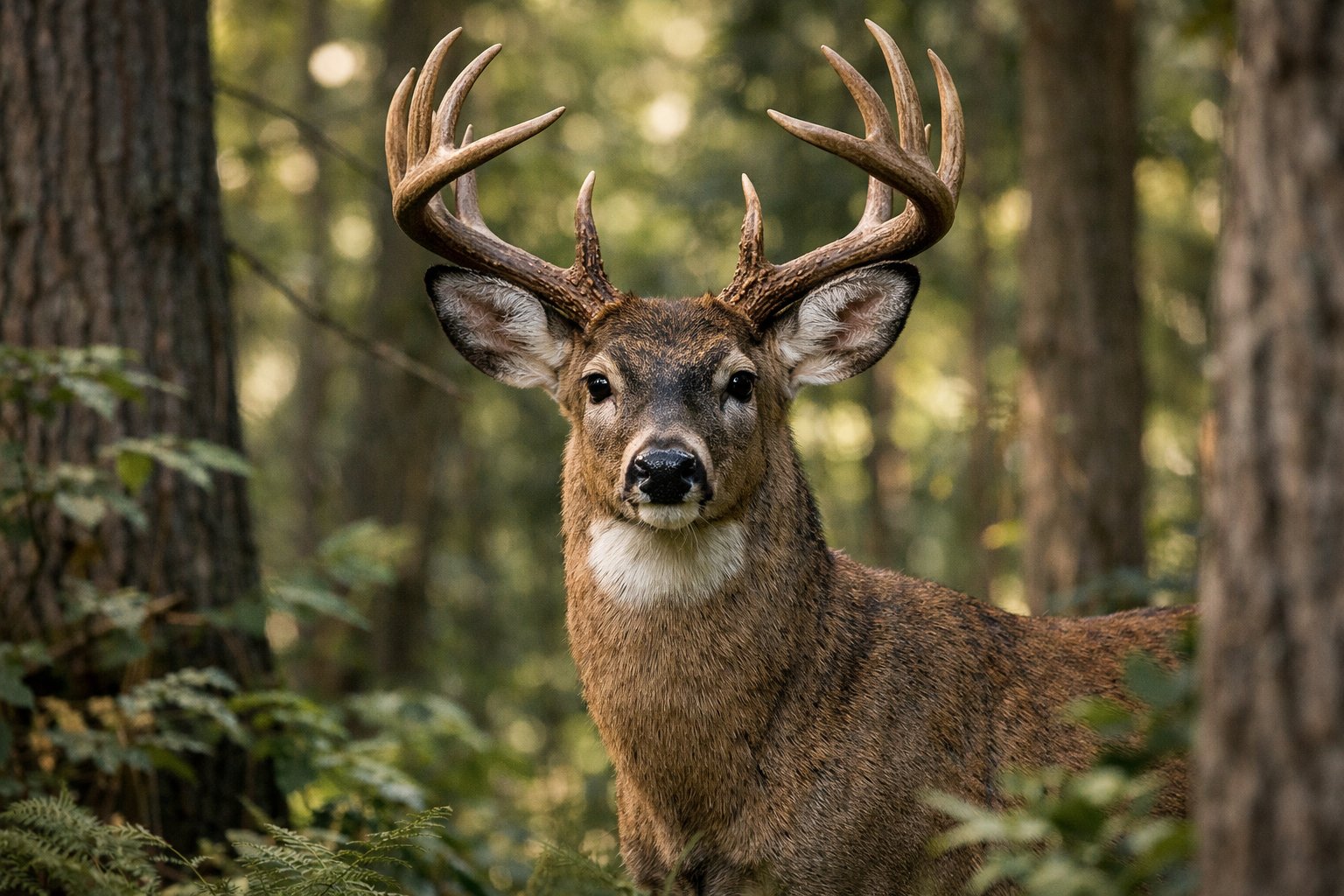
Running isn’t their only move. Deer have a few other tools: antlers, sharp hooves, warning signals, and even scents that help the whole group stay out of trouble.
Keep reading and you’ll start noticing these tactics in the wild. It’s kind of fascinating to see how all the pieces fit together.
Primary Defense Mechanisms of Deer

Deer rely on sharp senses, silent hiding, and quick, nimble movement to keep predators at bay. They notice threats, blend into their surroundings, and use bursts of speed and clever moves to get away.
Alertness, Senses, and Vigilance
If you’ve ever watched a deer, you know they don’t miss much. Their eyes sit wide apart, giving them nearly 300-degree vision. They barely need to move their heads to spot movement almost anywhere around them.
Their big, swiveling ears pick up even the tiniest sounds—a twig snapping, a paw on leaves.
The nose? It’s just as sharp. Deer can smell humans, dogs, or cats from far away, especially if the wind’s right. They usually react before a predator even gets close.
When a deer senses something off, you’ll see it snap to attention—head up, ears flicking, maybe a foot stomp or a sharp snort. Those moves warn the rest of the group.
Deer in herds multiply their watchfulness. More eyes and ears mean predators have a tougher time sneaking up. You’ll find this alertness peaks around dawn and dusk, which makes sense since predators hunt more then.
Camouflage and Hiding Behaviors
Deer don’t just run—they vanish. Their coats change with the seasons: reddish-brown for summer, gray-brown for winter. They blend right into the woods or fields.
Fawns have those white spots that look like sunlight on grass, making them even harder to spot.
Deer pick their resting spots carefully. Tall grass, thickets, fallen logs—they go where you’d least expect. If a threat gets too close, they freeze and lower their heads, letting their coat do the work of hiding them.
Some deer “stot”—they jump stiff-legged and high. It’s almost like they’re saying, “Don’t bother chasing me.” That move sometimes makes predators give up before the chase even starts.
Running, Speed, and Evasive Movements
When hiding’s not enough, deer take off. Whitetails can hit 30–35 mph in short sprints. They leap fences and fallen trees like it’s nothing.
Their legs soak up impact and let them twist or turn on a dime. That agility gives them an edge in thick woods, where predators can’t maneuver as well.
You’ll see deer sometimes zigzag, stop suddenly, or dive into dense brush. These unpredictable moves throw off chasers and give deer a real shot at escape.
Additional Survival Strategies and Physical Adaptations

Deer don’t just rely on running or hiding. They use their bodies and group smarts to survive.
Let’s talk about antlers, hooves, group warnings, and how their habits shift with the seasons.
Defensive Use of Antlers and Hooves
Male deer grow new antlers every year. Mostly, they use them to fight for mates, but if a predator corners them, they’ll definitely use those antlers to jab or shove.
Antlers are bone, and bucks shed and regrow them, so you can actually guess their age or health by looking at them.
Hooves aren’t just for running. A solid kick from a deer can injure a predator pretty badly.
The sharp edges also help them dig in for a quick getaway.
Female deer, without antlers, depend more on fast kicks, stomps, and weaving through thick cover to keep their fawns safe.
Herding and Social Protection
When you spot deer in a group, you’ll notice they’re way more alert. More eyes and ears mean someone always catches the first sign of trouble.
They warn each other with snorts, tail flicks, or stomps.
Groups also make it harder for predators to pick one target—this “dilution effect” means each deer is a little safer.
Herds shift with the seasons. In spring and summer, does and fawns group together. Bucks tend to hang out in bachelor groups when it’s not mating season.
Watch for the way they move: one deer bolts, and the rest follow, weaving through paths they all know. These social habits protect the youngest and weakest, helping more deer make it through each year.
Seasonal and Habitat-Based Adaptations
Deer change where and when they move depending on the season and the risks around them. In winter, they head for lower elevations or those sunny, south-facing slopes—anywhere they can grab a bite and walk more easily.
When spring rolls in, you’ll notice mothers hiding their fawns in thick brush or tall grass. They pick bedding spots with a quick escape route close by, just in case.
Your local landscape really shapes how deer behave. They’ll bed down near dense cover and stick to corridors like hedgerows or riparian strips when moving around.
If predators or people are nearby, deer usually steer clear of open fields. But during the rut, bucks get bolder. They travel farther, risk being out in the open, and honestly, that’s when they’re more likely to run into predators or cars.
If you’re curious about routines like migration or how deer pick their habitats, check out this overview of deer defense tactics.


