
Ever watched a deer slip into tall grass at dusk and wondered if it comes back to that same spot? Deer don’t usually sleep in the exact same place every night, but they do have a few favorite bedding areas within their home range. That habit helps them stay hidden while keeping quick escape routes and easy access to food close by.
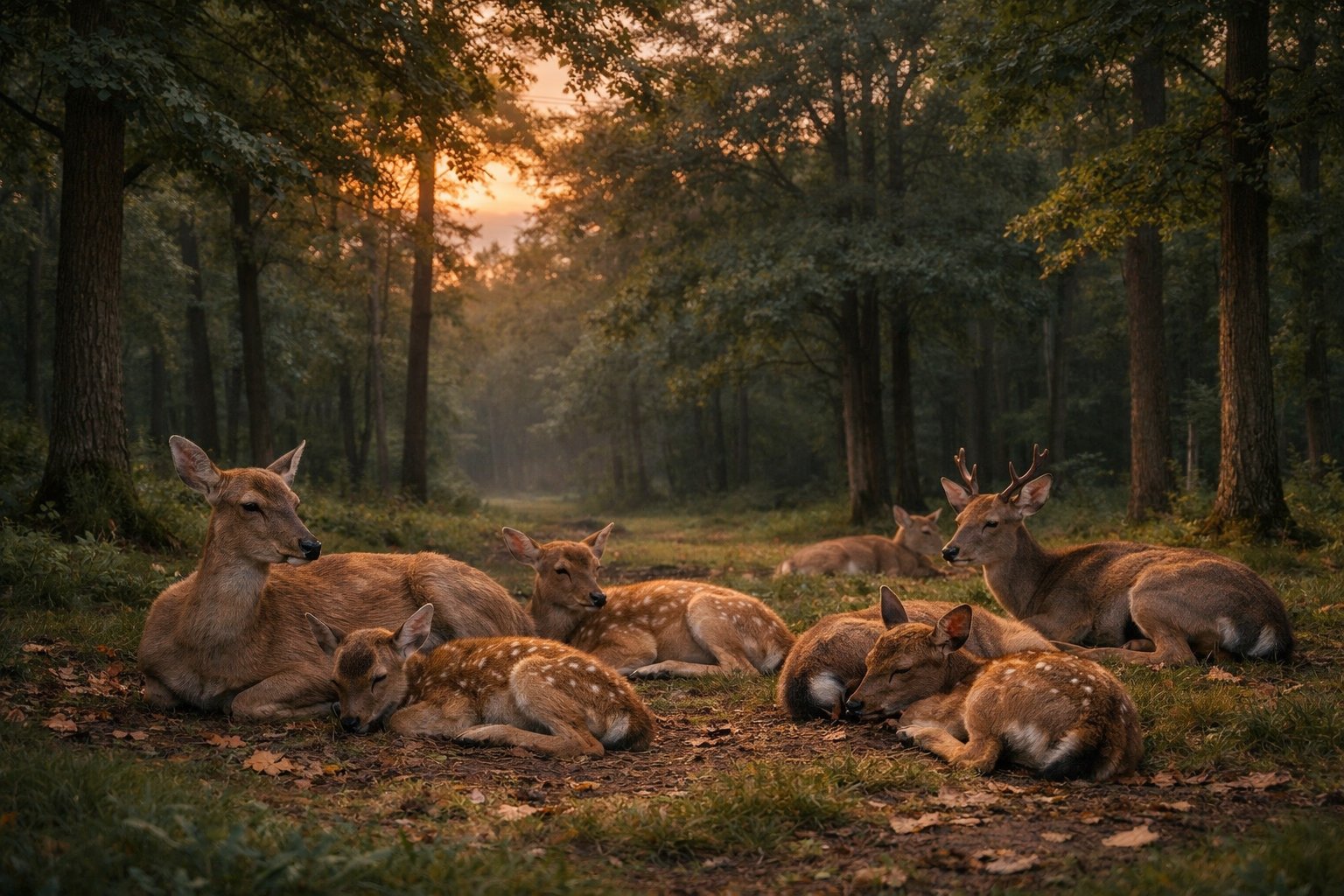
Let’s dig into why bedding sites shift with the season, weather, or danger. I’ll share some tips on where deer commonly bed, how group behavior changes sleep patterns, and what signs tell you a bed is active.
Do Deer Sleep in the Same Place Every Night?

Deer tend to use several nearby bedding spots rather than sleeping on the exact same patch of ground every night. They juggle cover, escape routes, and food access, and they’ll change beds when risk, weather, or food changes.
Bedding Site Fidelity vs. Frequent Movement
You’ll notice deer show a certain loyalty to a small set of beds within their home range, not just one spot. They come back to favored areas because those places reliably offer cover, wind advantage, and quick escape routes. People call this bedding site fidelity.
At the same time, deer rotate among multiple beds to avoid leaving scent trails that predators might follow. Bucks, does, and fawns aren’t all the same: does may stick with safe clumps of cedar or tall grass more often, while bucks move around more to dodge competition and hunting pressure.
Fawns usually stay hidden in a single bed for hours when they’re really young, then start rotating beds as they get older.
How Deer Choose Where to Sleep
When you pick a place to sleep, you probably look for comfort and safety. Deer do the same, just in their own way. They go for dense shrubs, evergreen thickets, tall grass edges, or leeward slopes that block wind and hide them from view.
Deer often face into the wind so they can smell danger coming. They also like to bed near feeding areas so they don’t waste energy traveling. Bucks pick elevated or isolated beds for better sightlines, while does stay closer to thick cover near their fawns.
If you spot an oval depression, flattened grass, or nearby tracks, you might’ve found a deer bed.
Factors Affecting Bedding Location Choices
Predator avoidance, weather, and food really drive where deer bed down. Predators push deer into thicker cover or spots with lots of escape paths. In areas where people hunt, deer move to more remote patches or denser cover.
Weather plays a big role: deer use south-facing slopes and conifers to stay warm in winter and head for shady lowlands or wetland edges to cool off in summer. Food-rich fields and edges attract beds nearby, but deer don’t want to risk being too exposed.
Seasonal Changes in Sleep Sites
Seasons shake up deer bedding habits. In summer, does and fawns use dense fescue, tall weeds, or shady brush to hide and keep cool. Fawns especially stick to single, well-camouflaged beds during their first weeks.
In fall, rut behavior and changing cover make bucks more mobile, so they use higher ground and switch up beds more often. Winter pushes deer to south-facing slopes, cedar breaks, or evergreen thickets for wind protection and warmth.
Spring brings beds closer to new growth and feeding patches as vegetation returns.
Relevant reading: check out this detailed guide to deer bedding areas for more on where deer sleep and bedding signs.
Deer Sleep Habits and Group Behavior

Deer rest in shallow depressions called beds and pick spots that give them cover, sight lines, and quick escape routes. They sleep lightly, sometimes group up, and bucks, does, and fawns all do things a bit differently.
How Deer Sleep and Stay Alert
Deer sleep in short, light bouts. They don’t fall into deep sleep for long stretches. Instead, they alternate between brief naps and quiet wakefulness so they can spot predators quickly.
When a deer lies down, it often tucks its legs and keeps its head up or slightly turned. Their ears and nose stay on alert. You’ll see them blinking slowly, not drifting into the long, deep sleep that humans have.
Deer choose beds with escape routes and good visibility. A typical bed is in dense cover near an open feed area or on a small rise that lets them see and run if needed. These choices help them rest while staying ready to bolt.
Do Deer Sleep Together or Alone?
Deer sometimes bed alone and sometimes near others. Does with fawns often group in loose clusters so the mother can watch her young while another deer stands guard.
Adult bucks usually bed alone in fall and winter, especially during the rut when they avoid each other except to fight or mate. Outside the rut, bucks sometimes form small bachelor groups and bed within a few yards of each other.
You can spot a group bed by several nearby depressions, repeated tracks, and pellet groups. Hunters and wildlife watchers look for these signs to find bedding areas.
Differences in Bucks, Does, and Fawns
Does pick bedding near food and cover to protect fawns and save energy. A doe’s bed area often sits close to feeding routes and thick brush that hides her fawn during the day.
Fawns sleep a lot in the first weeks and stay hidden in small, tight beds. Mothers return to nurse several times a day. You’ll find fawn beds with very little disturbance around them; fawns have low scent to keep predators away.
Bucks choose isolated beds with escape lanes and good sight distance. Older bucks go for thick conifers or south-facing slopes in winter for warmth. Their patterns shift with the season and their social status.
Do Deer Sleep in Backyards and Human Areas?
Yeah, deer sometimes bed down in yards—if they find enough cover and food, and things stay pretty quiet. You might spot a shallow bed tucked under some shrubs, close to a brush pile, or even along a fence where they feel hidden.
Deer usually avoid busy yards and places with noisy pets. If your yard has native shrubs, a calm corner, and not much foot traffic, especially around dawn or midday, you could see deer coming back to the same spot for days or even weeks.
Want to keep deer from bedding in your yard? Try clearing out dense cover, getting rid of brush piles, and just being more active outside during the day.
If you’re hoping to watch wildlife, it helps to keep your distance. Stay quiet, maybe grab some binoculars, and let them rest without bothering them.


