
You might see deer every day, but their lifespans can really surprise you. In the wild, most deer live about four to six years, but when people care for them, some can reach a decade or even longer.
Let’s dig into typical ages, a few record-holders, and why these numbers swing so much.
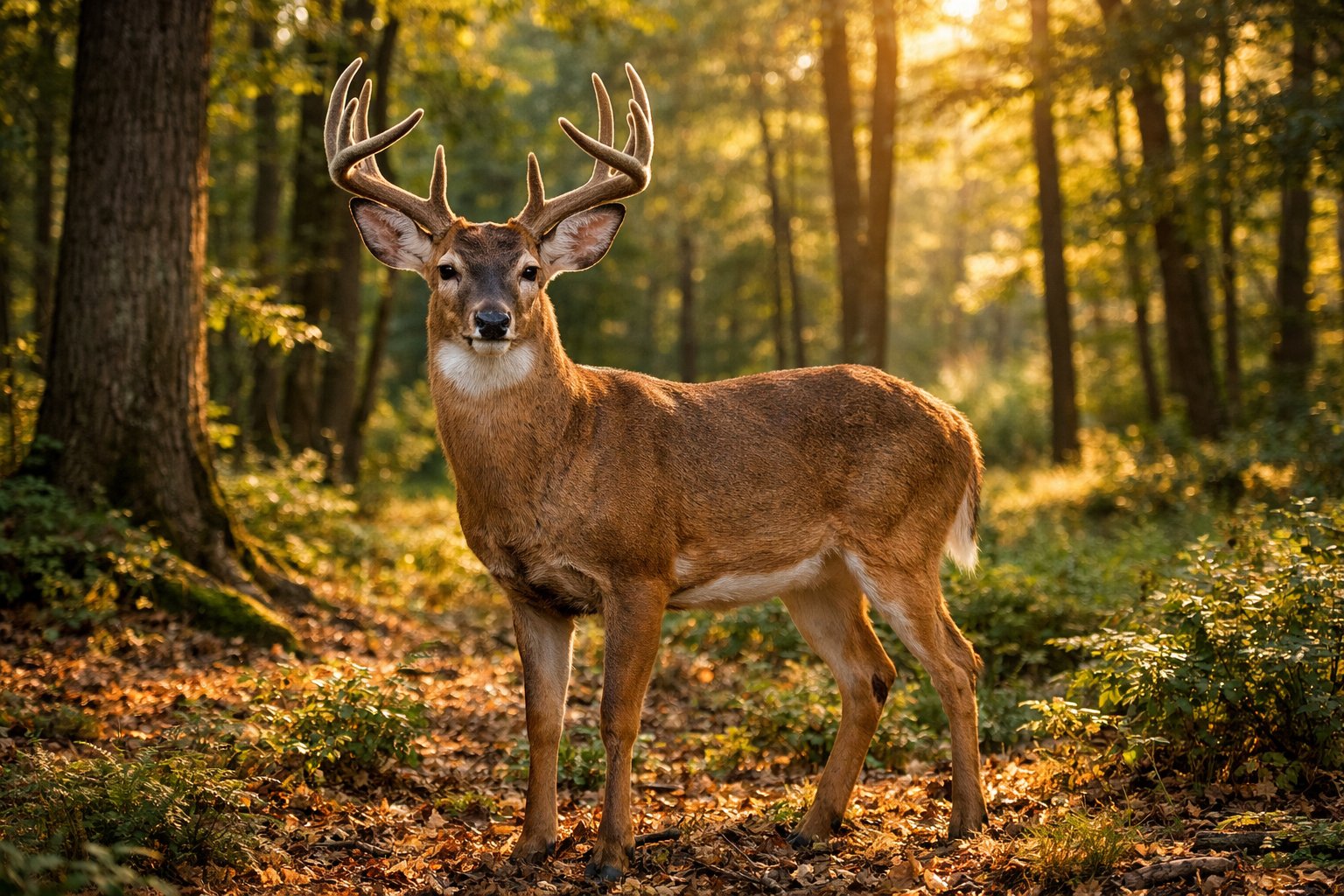
We’ll talk about what cuts a deer’s life short and what lets them stick around — stuff like predators, disease, food, and, of course, people. That way, you’ll actually see why wild deer live so differently from those rare, long-lived ones.
Average Lifespan and Notable Records
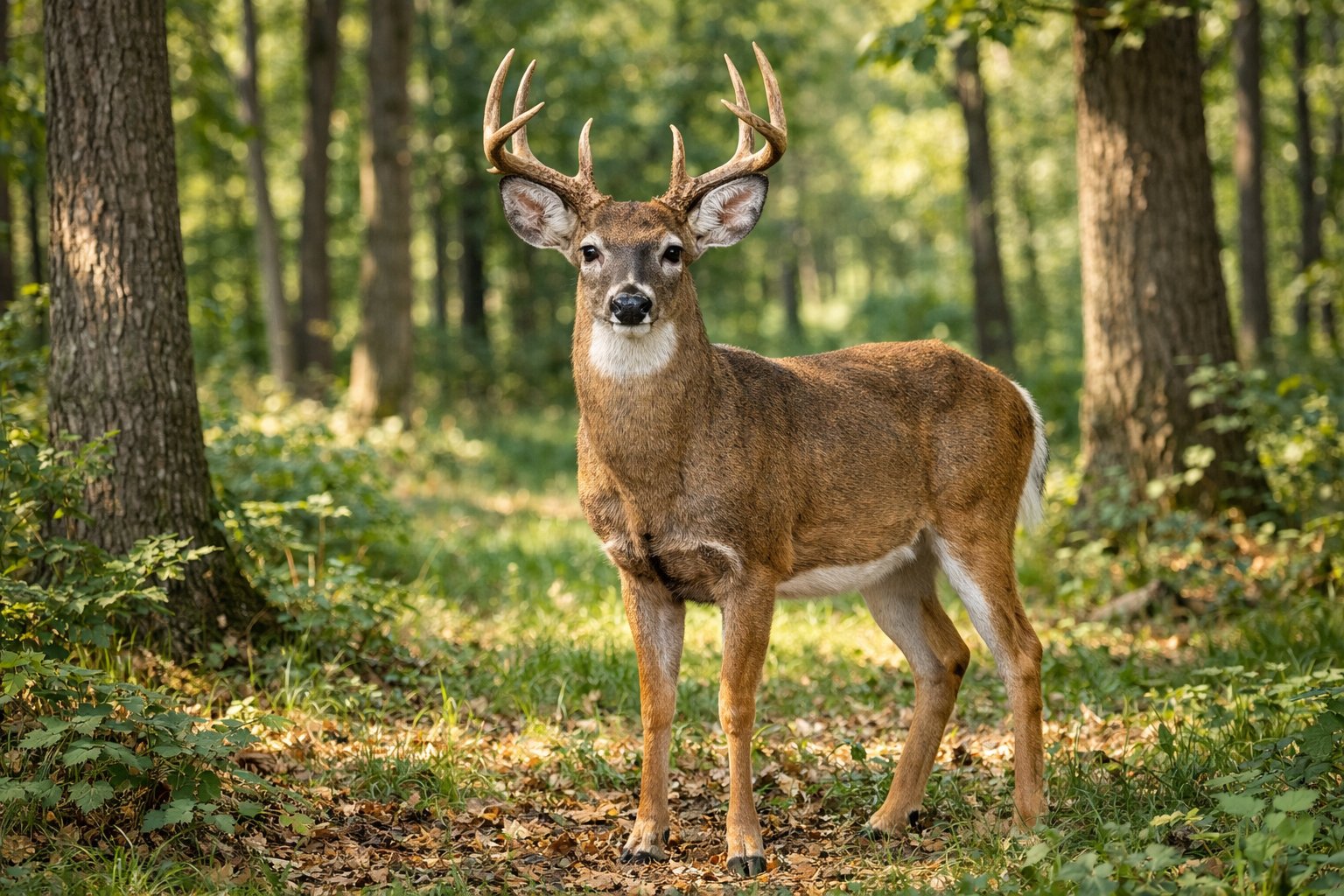
Deer lifespans jump around depending on species, location, and what’s out there trying to eat them or take their food. You’ll notice wild deer often only get a few years, but a handful in captivity can hit decades.
Deer Lifespan in the Wild vs. Captivity
Wild deer have to dodge hunger, predators, hunters, and cars. In North America, white-tailed deer usually make it 4–6 years in the wild. Bucks tend to die younger than does because of hunting and risky habits.
Fawns really depend on their mothers and hiding places, but a lot don’t survive their first year.
In captivity, things look different. Deer get regular meals, checkups, and don’t have to worry about predators. That kind of care often lets them live twice or even three times as long.
A captive white-tailed deer once made it into its early 20s. Some captive red deer even passed 30 years. It’s not really a contest—captive deer just outlive wild ones by a long shot.
Oldest Deer on Record
The oldest wild white-tailed deer anyone recorded made it to about 20–22 years old. Mule deer and a few wild red deer have reached their late teens or maybe 20, but those are rare, lucky cases.
Captive deer have lived longer. One white-tailed deer in captivity reached its early-to-mid 20s. The record for captive red deer? Over 30 years.
These records show what happens when deer get steady food and protection, things wild deer almost never have.
Lifespan by Deer Species
White-tailed deer usually make it 4–6 years in the wild. Does outlast bucks, mostly because hunting and cars take out a lot of males.
Mule deer often live a bit longer than white-tails, sometimes hitting 9–11 years in places with less pressure.
Roe deer? They clock in at 4–7 years in the wild, though a few have hit 15 years.
Scottish red deer and other red deer can reach 10–13 years in the wild. In captivity, red deer have made it past 30.
Elk, which are big deer, live about 10–13 years out in the wild. Some reach 15 or even a bit more if they’re lucky.
Why Female Deer Live Longer Than Males
Female deer, or does, usually outlast bucks. Bucks spend the rut fighting and chasing, which leads to injuries and burns up their energy.
That stress and risk really cut their lives short.
Hunters also go after bucks more since they want antlers. Does tend to move carefully and focus on raising fawns, which helps them survive tough winters.
Because of all this, you’ll often see more older females than males in your local deer herds.
Factors Affecting Deer Lifespan
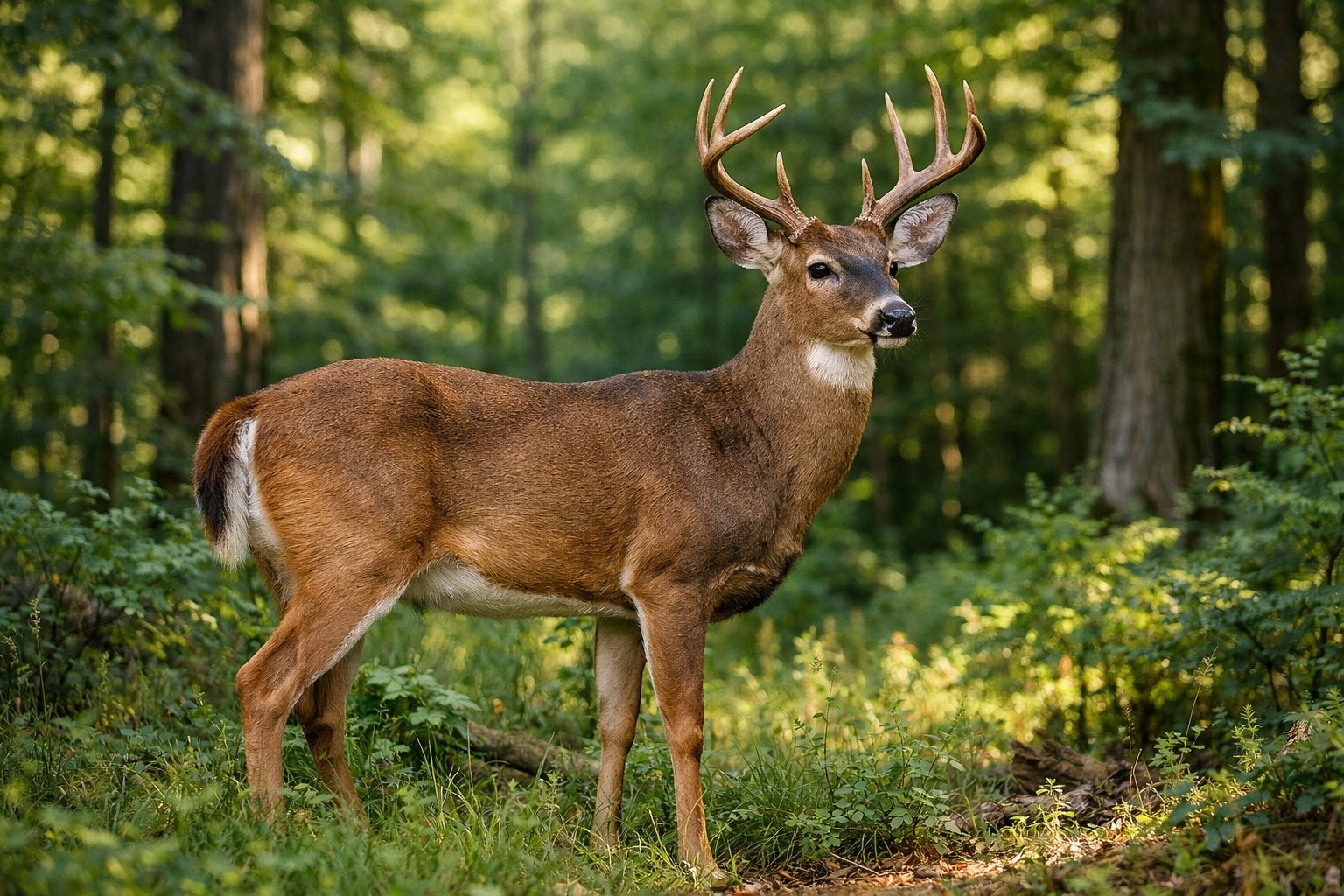
Lots of things shape how long a deer lives. Predators, disease, hunting, roads, and even winter can make a huge difference for both fawns and adults.
Predation and Natural Threats
Predators really shape deer survival, especially for fawns. Mountain lions, wolves, coyotes, bobcats, and big bears all go after them. Birds of prey sometimes take the tiniest, weakest fawns too.
Fawn mortality spikes in those first weeks after birth. If something happens to the doe, the fawn’s chances drop fast.
Dense cover lets fawns hide, but open farmland just makes them easier targets.
Adult deer don’t have as many natural threats, but they still die running from predators or from injuries during fights. Predators also force deer to change their routines, making them feed at safer times or in thicker cover.
That can mess with their nutrition and long-term health.
Disease Impact on Deer Survival
Disease can wipe out big chunks of deer populations. Chronic wasting disease (CWD) makes deer lose weight and die slowly. Epizootic hemorrhagic disease (EHD) can kill a lot of deer in a short time.
Watch for things like limping, skinny deer, sudden die-offs, or fewer fawns than usual. Diseases spread faster when deer gather at feeding spots or water holes.
Wildlife managers try to slow disease by testing herds, limiting feeding, and controlling how animals move. Those steps really shape how healthy your local deer stay over time.
Effects of Hunting Pressure and Human Activity
Hunting is a big reason deer die in many places. Bag limits, hunting season dates, and how many hunters are out there all change how many bucks and does get taken.
Heavy hunting usually means herds have fewer older deer, especially males.
Human activity isn’t just about hunting. Cars hit over a million deer every year in the U.S. Roads cut through habitats, forcing deer to cross busy areas.
Urban sprawl shrinks cover and lowers food quality, which stresses deer and makes it harder for them to raise young.
Good management—like setting smart hunting limits, planning roads carefully, and protecting habitats—can help deer populations stay healthy and avoid unnecessary deaths.
Role of Climate and Harsh Winters
Weather really shapes how deer survive, mostly by changing how much food they can find and how much energy they burn. When snow piles up deep and sticks around, deer have to work way harder just to get around.
That extra effort drains their energy, so they face a bigger risk of starving and head into spring in rough shape. Harsh winters hit fawn survival hard the next year.
After brutal winters, you’ll probably see die-offs—especially in places where deer don’t have much winter range. Sometimes, freeze-thaw cycles trap plants under layers of ice, and deer just can’t get to them.
Droughts or late frosts? Those can wipe out spring browse, which means fawns don’t grow as well and does might struggle too.
Wildlife managers usually keep a close eye on how tough the winter gets. They might set feeding restrictions or even move deer around to spread out the stress.
Ongoing climate trends, if they keep making winters rougher or longer, will keep shaping how deer survive and force managers to rethink their strategies.


