
Have you ever jolted awake at night, heart pounding, after hearing a sharp, unexpected bark? Deer bark at night mostly to warn others about danger, call out during mating, or mark their territory. So, if you catch that sound, something nearby has definitely grabbed a deer’s attention.

A deer barking at night isn’t just making random noise. Usually, it’s a warning or some kind of social signal. If you’re curious about what sets off that bark, you’re not alone. Different deer species have their own reasons, and what’s happening nearby—predators, people, or even the season—can all play a part.
Honestly, it’s worth paying attention to what’s common in your area. Nighttime barking changes with the species, the season, and whatever risks are floating around. If you dig into those patterns, you’ll start to get a sense of what those barks actually mean for the herd.
Understanding Nighttime Deer Barking

Deer bark for reasons you can usually figure out if you listen closely. Some species bark a lot, and those sounds send out warnings, mating signals, or social calls.
Types of Deer Known to Bark
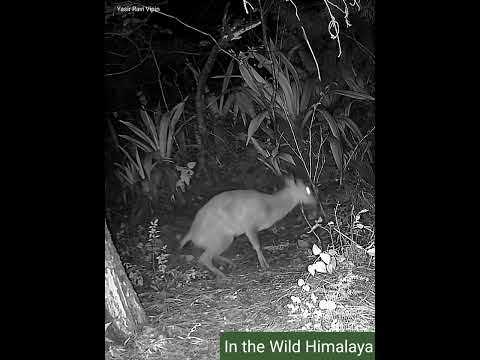
Some deer bark all the time, while others barely make a peep. The small Asian muntjac, or barking deer, lets out a sharp, almost dog-like bark. You’ll probably hear muntjac species like Muntiacus reevesi (Chinese or Reeves’s muntjac) and Muntiacus muntjak (common muntjac) using this sound when they get startled or want to claim a spot.
In Europe and North America, fallow deer and white-tailed deer sometimes bark or snort, but it’s not as common. Bucks might bark during the rut to warn off rivals or challenge for mates. Red deer usually roar, but sometimes they’ll bark if they’re alarmed. The truth is, how often deer bark depends on the species, their age, and what’s going on around them.
Key Reasons Deer Bark at Night
Deer bark at night mostly to warn others or react to something sketchy near your place. When you hear a sudden bark, it’s probably a sign there’s danger—like a predator, a dog, or maybe just a person sneaking around. Muntjac, for example, bark at night when they hear something weird, since they live in thick cover and need to alert the others quickly.
Barking also ties into mating and territory. Bucks might bark to show off or attract does during the rut. When people are more active during the day, deer often switch to being more active at night, so you might hear more barking after dark, especially near roads, farms, or the edge of town.
How Deer Barking Serves as Communication
A bark is like a quick, urgent message to other deer nearby. One bark can make others freeze, bolt, or just look around nervously. In muntjac groups, a bunch of barks help everyone know roughly where a predator’s lurking.
Not all barks sound the same. Alarm barks are sharp and repeated, while courtship or aggressive barks from bucks might mix in some grunts or snorts. If you listen carefully at night, you’ll start to pick up on whether a bark means danger, romance, or just a minor disturbance.
For more about how deer switch to nighttime activity and what drives that change, you can check out research on why deer go nocturnal and how less daytime disturbance changes their behavior (https://biologyinsights.com/why-do-deer-go-nocturnal-causes-and-implications).
Factors Influencing Nocturnal Deer Barking
Deer bark at night for reasons that make total sense if you think about it. Their daily routine, predators, people, changes in their habitat, and breeding season all play a role in when and why they call out after dark.
Nocturnal and Crepuscular Behavior in Deer
Deer mostly move around at dawn and dusk—that’s what crepuscular means. But you’ll spot them at night too, especially if daylight is risky or food is easier to find after dark. Cold evenings can push them to feed later, and if it’s too bright or busy during the day, they’ll wait until night.
Some deer get almost fully nocturnal, especially where there’s plenty to eat at night—like in suburban lawns or fields. That shift means you’ll hear more alarm barks after dark if deer are out feeding. Still, dawn and dusk matter a lot; barking often ramps up at twilight and keeps going into the night if something keeps bothering them.
Predators and Environmental Pressures
Predators like coyotes and wolves make deer extra jumpy and can push them to move around at night. If a deer hears a coyote close by, you’ll probably hear an alarm bark. That warning helps other deer decide whether to run or just stay alert.
Food and temperature play into it too. If there’s not enough to eat during the day, deer might travel farther and feed at night, which means more run-ins with predators and more barking. In places where their habitat is chopped up, deer get pushed into smaller areas, and predators can hide out more easily. You’ll notice more barking where there aren’t many safe escape routes.
Human Disturbance and Habitat Changes
People have a big impact on when deer bark. Roads, lights, and all the usual daytime noise make deer hide out until it’s quiet. You’re way more likely to hear barking near the edge of town, in farm fields, or parks once everyone’s gone home.
When woods get split up into little patches, deer get stressed and take more risks. In these fragmented areas, they often move at night to avoid people. Hunting pressure also changes things—a lot of hunting during the day pushes deer to be more active at dusk and after dark, so you’ll hear more barking when they get startled by dogs, lights, or sudden noises.
The Role of Breeding and Social Dynamics
When the rut arrives, bucks and does act differently, and their barking changes too.
Bucks get louder and bark more as they chase does.
Does tend to bark when they’re threatened or if they get separated from the group.
You’ll probably notice barks becoming more frequent and louder at night, especially during the busiest rutting weeks.
Social dynamics play a part outside of just mating.
Fawns and does will bark if they’re in distress or when a youngster gets lost.
In places like Kaeng Krachan National Park, the thick understory and tight social groups can really affect how much you hear these calls.
Even seasonal changes—like when bluebells bloom in spring or fresh plants pop up—shift how deer move and when they call out to each other.


