
You might picture organ meat as something for hardcore diets or old-school recipes, but deer heart can actually be a smart, nutrient-packed pick if you handle it right. Deer heart gives you lean protein, important minerals like iron and zinc, and B vitamins—all in a small, affordable package.
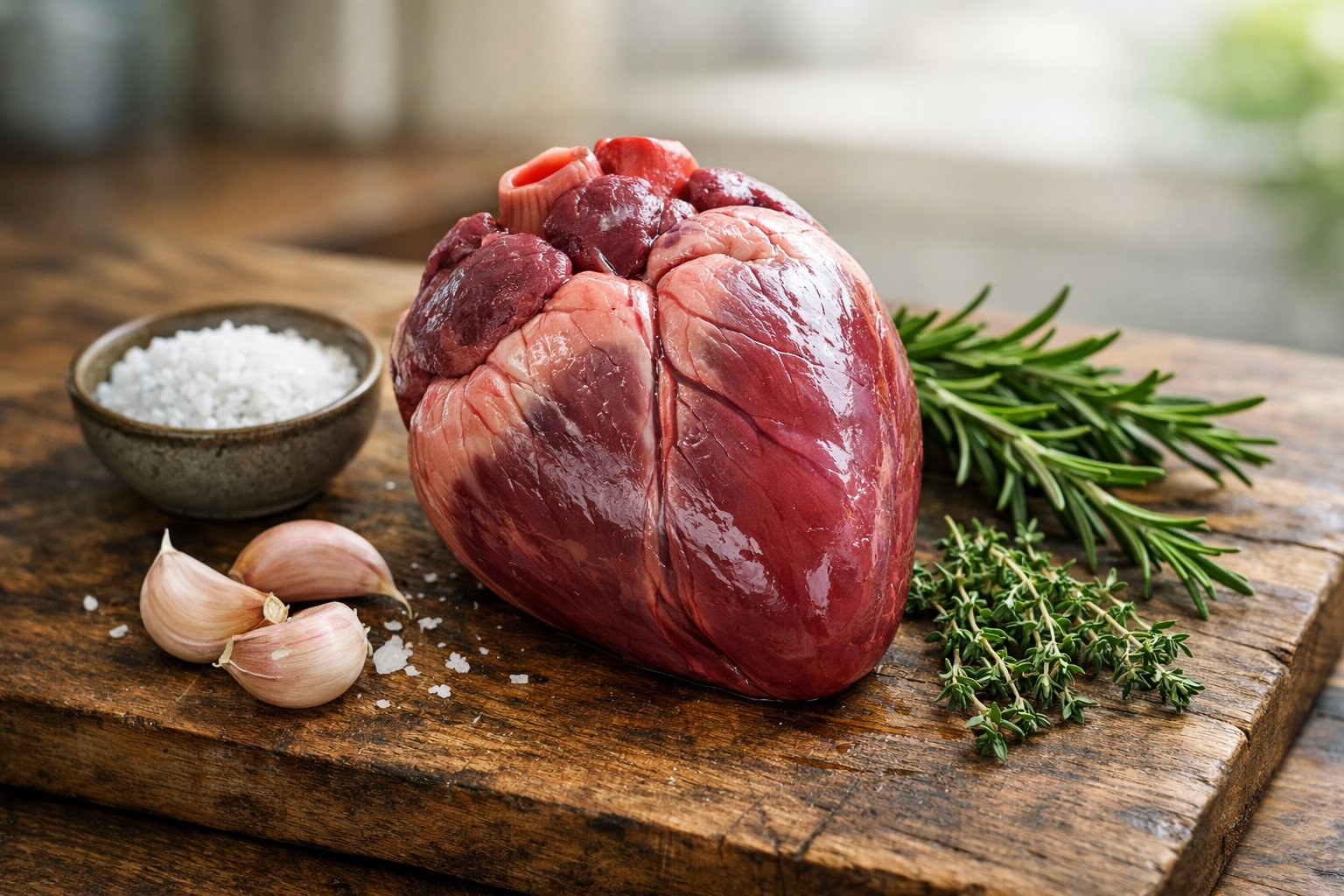
If you hunt or buy wild game, this article will walk you through what nutrients you can expect, how it stacks up against other meats, and some simple safety steps to make it both safe and tasty.
Stick around to learn how to trim, cook, and actually enjoy deer heart without wasting any of it—or worrying too much.
Nutritional Value and Health Benefits of Deer Heart

Deer heart packs a ton of nutrients into a lean cut. You get high-quality protein, B vitamins, iron, and minerals, plus a good amount of CoQ10 and not much saturated fat.
Nutrient Density and Key Vitamins
Deer heart is an organ meat loaded with vitamins that help with energy and cell repair. Just a small serving gives you vitamin B12, folate, niacin, and other B vitamins your body needs for making DNA and keeping your metabolism humming.
These vitamins help you turn food into usable energy and keep your nervous system working right.
Heart tissue has more Coenzyme Q10 (CoQ10) than regular muscle meat. CoQ10 acts as an antioxidant and helps your cells produce energy. If you want food that’s really nutrient-dense—more micronutrients per ounce than most muscle cuts—venison heart fits the bill.
When you clean and cook the heart properly, you keep these vitamins available. Because organ meats pack so much nutrition, you don’t need huge portions to get a vitamin boost without piling on the calories.
Benefits for Circulatory and Nerve Health
The B12 and folate in deer heart help your body make red blood cells and support nerve function. That means you can prevent some types of anemia and keep oxygen moving through your system.
Better red blood cell production might improve energy and help with fatigue if you’re low on iron or B vitamins.
CoQ10 supports the mitochondria in heart muscle cells and acts as an antioxidant. That can help protect your cells from oxidative stress and support your heart’s metabolism.
Deer heart is also low in saturated fat compared to some domestic organ cuts, so you can keep your fat intake on the leaner side.
Dietary cholesterol exists in organ meats, but for most people, it affects blood cholesterol less than saturated fat does. If you already have heart disease or concerns, it’s smart to check with your doctor before adding organ meats to your meals.
Iron, Protein, and Mineral Content
Venison heart gives you lean, high-quality protein—about 20–25 grams per 3-ounce serving. That’s great for muscle repair and feeling full.
Protein from organ meat is complete, with all the essential amino acids your body needs.
The heart contains heme iron, which your body absorbs more easily than the non-heme iron found in plants. That makes venison heart a solid choice if you’re trying to prevent or treat iron-deficiency anemia.
You’ll also get minerals like zinc and selenium, which help your immune system and antioxidant enzymes.
Because venison heart is so lean, it stays low in total fat and saturated fat compared to most red meats. Trim off connective tissue and cook it right to keep it tender while holding onto the nutrients.
If you have dietary limits on cholesterol or iron, just watch your portion size.
Deer Heart vs Other Meats
Compared to beef or pork, deer heart is denser in some micronutrients per ounce. You’ll usually find more CoQ10, B vitamins, and bioavailable heme iron than in standard muscle cuts.
The fat content is lower than in similar beef cuts, so you get more nutrients with fewer calories from fat.
Against other organ meats, deer heart is less fatty and more muscular than liver. Liver might have more vitamin A, but heart gives you more CoQ10 and steady protein.
Wild game heart can have less saturated fat and fewer additives than farmed meats, depending on how the animal was processed.
If you hunt, you should remove high-risk tissues in areas with chronic wasting disease. For most people, mixing venison heart into ground blends or slicing it thin for quick searing gives you a nutritional boost without an overpowering organ taste.
For recipes and safety tips, check out guidance on preparing venison heart from hunting and nutrition resources.
Safety Considerations and How to Eat Deer Heart

Deer heart is packed with nutrients, but you need to handle it carefully, cook it well, and source it smartly to avoid risks. It’s important to know where the deer came from, how to clean and store the organ, and which cooking methods keep it both safe and tasty.
Chronic Wasting Disease, Parasites, and Sourcing
CWD (chronic wasting disease) is a prion illness found in some deer populations. Don’t eat heart, brain, spinal cord, spleen, or lymph nodes from animals taken in CWD-positive areas.
Check your local wildlife agency’s maps and test results before keeping organs from any harvested deer.
Use deer that look healthy—no weird behavior, weight loss, or visible lesions. Prefer animals from places with no known CWD cases.
If possible, get the carcass or head tested for CWD in areas where testing is available.
Parasites like Toxoplasma or muscle tapeworms are rare in well-handled meat, but it’s possible. Don’t use organs from deer that weren’t field-dressed quickly or cooled down.
If you’re not sure about sourcing, stick with muscle meat or cook the heart thoroughly to safe temperatures.
Preparation, Cleaning, and Storage Tips
Take out the heart during field dressing as soon as you can so it cools quickly. Rinse the outside under cold running water, and trim away fat, valves, and any obvious connective tissue.
Cut open the chambers and remove any blood clots or fat pockets.
Keep the heart chilled below 40°F (4°C) within a few hours of harvest. For longer storage, vacuum-seal and freeze it at 0°F (-18°C).
When you thaw frozen hearts, do it in the fridge—not on the counter—to limit bacterial growth.
If you want to grind heart into burgers or sausage, keep your surfaces and knives super clean to avoid cross-contamination. Use separate cutting boards and sanitize tools between raw heart and other foods.
Cooking Methods for Flavor and Safety
Quick-sear sliced heart medallions or thin steaks over high heat for a medium-rare finish. That keeps the meat tender.
Slice across the grain into thin pieces to cut down on chewiness, and remove any tough membranes before cooking.
Grilling works for small pieces—just brush lightly with oil and cook 1–3 minutes per side, depending on thickness.
Braising or slow-cooking is best for whole or tougher hearts—simmer in liquid for 1.5–3 hours until it’s fork-tender.
Ground heart works well in burgers, meatloaf, or sausages. You get extra iron and CoQ10 without a strong gamey flavor.
Aim for an internal temperature of 160°F (71°C) when cooking ground heart to keep it safe. For steaks or medallions, 130–140°F (54–60°C) gives you medium-rare and good tenderness—but only if you know the meat came from a low-risk, well-handled animal.
Raw Deer Heart: Risks and Traditions
Some folks eat raw heart or heart tartare, but honestly, that comes with real infection risks—think bacteria and parasites.
Hunters and certain cultures have their own traditions around this, sure, but eating raw venison heart definitely ups your chances of getting a foodborne illness.
If your deer came from a CWD area, or you can’t be sure it was dressed and chilled right away, it’s best to skip the raw stuff.
Even if you trust your source, bacteria like E. coli or Salmonella can still hang out on raw meat.
If you decide to go for raw heart anyway, freeze it solid at -4°F (-20°C) for at least a week. That step helps cut down some parasites.
But here’s the catch—freezing doesn’t kill prions from CWD.
If you’re set on raw preparations, stick with sources you trust and go in knowing there’s always some risk.


