
You might think deer meat tastes just like beef, but honestly, it has its own lean, earthy vibe. Venison usually brings a rich, slightly gamey flavor—clean, a bit woodsy, and definitely less fatty than beef. That makes it punchy and interesting, but also pretty easy to mess up if you overcook it.
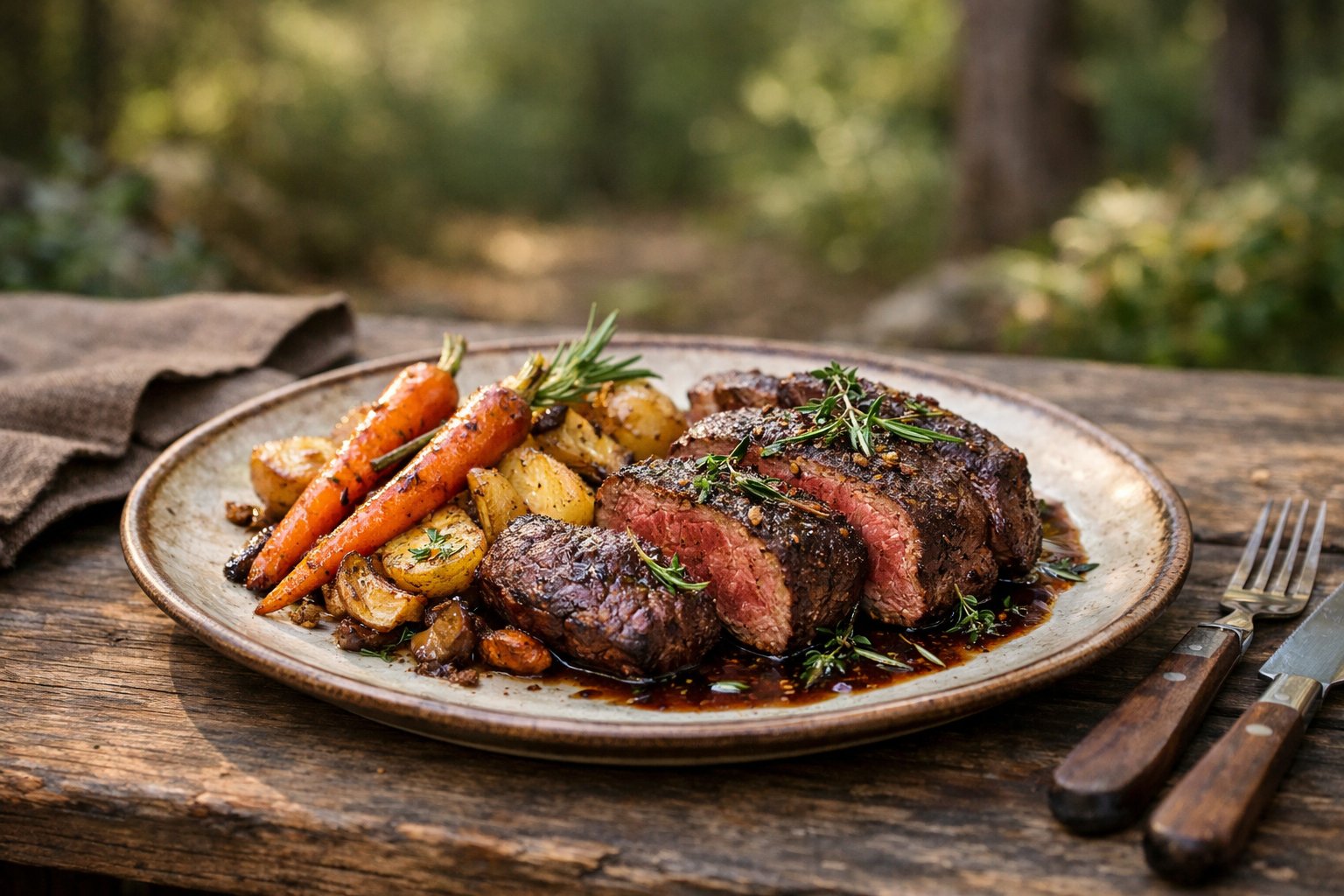
As you read on, you’ll see what changes that flavor—anything from what the deer ate to how someone handled the meat. There are simple ways to make it milder or bolder, depending on what you’re after.
A few tricks in trimming, soaking, or cooking can help you land the exact taste you want.
What Is the Taste of Deer?

Venison tastes lean and earthy, and you’ll notice the animal’s diet comes through more than fat does. The texture and how you handle it shape whether the meat turns out tender or tough.
That “gamy” note? Sometimes it’s barely there, sometimes it’s strong. It really depends on the deer’s age, the season, and how the meat was processed.
Flavor Profile of Venison
Venison brings a bold, clean flavor—kind of beefy, but with a deeper, earthier kick. You might pick up on notes like acorns, wild grass, or even orchard fruit if the deer grazed near farms.
Young does or farm-fed deer usually taste milder and even a bit sweet. Older bucks, or deer that ate bitter shrubs, can taste stronger and more intense.
Since venison doesn’t have much fat, the muscle itself sets the flavor. Backstrap and tenderloin cuts offer subtle herb and nutty hints.
Ground venison or shoulder roasts taste denser and richer, which makes them perfect for slow-cooked meals.
Herbs like rosemary, thyme, or juniper, plus fruit sauces, can really lift and balance venison’s natural flavor. If you’re curious how diet and handling change the taste, check out this venison flavor and handling guide.
Texture of Deer Meat
Deer meat has fine-grained muscle fibers. When you cook it right, it can be super tender.
The loin and tenderloin cuts feel soft and delicate. They slice easily and almost melt in your mouth.
These cuts need high heat and quick cooking to stay juicy. If you overdo it, they dry out fast.
Shoulder, shank, and leg cuts come from harder-working muscles, so they’re leaner and firmer. You’ll need slow, moist heat to get them tender.
Ground venison tends to need extra fat if you want juicy burgers or meatloaf.
How you handle the meat matters too. Quick cooling and trimming off silver skin make a big difference in texture.
For more on cooking tips and how venison stacks up against other red meats, here’s a good venison vs. beef and other game comparison.
Gamey Taste in Venison
“Gamey” can mean a lot of things—sometimes just a hint of wildness, sometimes a strong, musky punch. You might notice a gentle gamey edge, and honestly, some folks love that.
A strong gamey flavor usually comes from how the deer was handled or its biology. Bucks taken during the rut or poorly processed meat can taste a bit much.
Fat, silver skin, and organs hold onto those gamey compounds, so trimming them away helps a lot.
You can mellow out gamey notes by soaking the meat in milk or buttermilk, or using a salt brine. Pairing venison with sweet or acidic ingredients, like berry sauces, also works.
If you want more tips on dealing with gaminess, here’s some practical advice on deer meat taste factors.
What Influences Deer Meat Flavor and How to Enhance It

The flavor of deer meat depends on the animal’s age, what it ate, and how you end up handling and cooking it. Knowing the cut you’ve got and picking the right herbs or cooking style can really make the flavor shine.
Factors That Shape the Taste of Venison
Age and sex matter. Younger deer, like yearlings and does, usually give you milder, sweeter meat.
Bucks, especially during the rut, tend to taste muskier. Diet makes a big difference too.
Deer that eat acorns, berries, or farm crops usually taste less “gamey” than those living on sage or pine. Farm-raised deer often taste milder and a bit like grass-fed beef, thanks to their steady diet.
How you handle the meat is critical. Quick field dressing, fast cooling, and removing blood keep flavors clean.
If you want to know more about field dressing, here’s a practical guide. Poor handling can give you off-flavors that no amount of spice will cover up.
Cuts of Venison and Their Unique Flavors
Not all cuts are created equal. The loin, tenderloin, and backstrap come out the most tender and taste clean—almost like mild beef.
These cuts do best cooked hot and fast to medium-rare. Large muscle cuts like the ham (hindquarter) and shoulder have more connective tissue and stronger flavor.
You’ll want to braise or slow-roast those cuts to break down the collagen and bring out the richness.
Ground venison is lean and super versatile. Mix it with pork or beef fat if you want juicy burgers or meatloaf.
Picking the right cut for the right cooking method keeps things from drying out and really brings out the natural flavor.
How Handling and Cooking Affect Flavor
It all starts in the field. Proper field dressing and quick cooling stop bacteria and get rid of that lingering blood taste.
Trim off silver skin and excess fat—those parts hold onto the stronger, gamey notes. Cooking style matters just as much.
Sear tender cuts like loin, backstrap, and tenderloin on high heat, and don’t go past medium-rare. For ham and shoulder, braise them low and slow in liquid until they’re tender.
Ground venison needs a bit of added fat and gentle handling to avoid coming out dry.
Marinades, brines, or a quick buttermilk soak can help mellow out stronger flavors. Letting the meat rest after cooking keeps it juicy and makes sure it stays tender.
Best Herbs, Spices, and Pairings
Go for herbs that really highlight venison’s wild, earthy flavors. I like tossing in juniper berries, rosemary, sage, or bay leaves—those piney, woodsy notes just work with deer.
Black pepper and garlic? Can’t go wrong there for your basic seasoning.
Want a little balance? Try pairing loin or backstrap with a cherry, blackberry, or apple sauce. That hint of fruitiness lifts the dish.
For a roast, I usually reach for red wine or even a good beer to braise with thyme and bay. It just adds so much depth.
If you’re after something milder, almost like beef or lamb, stick with younger deer. Just salt, pepper, and maybe a light rosemary rub—nothing fancy.
Grinding venison? I mix in some pork fat and a pinch of sage. It smooths out the flavor nicely.


