
You’ll spot deer where food, cover, water, and safety all come together. They usually bed down in thick brush or along forest edges, close to food and water, so they don’t have to go far to rest. That makes it a bit easier to find tracks, trails, or bedding spots if you know what to look for.
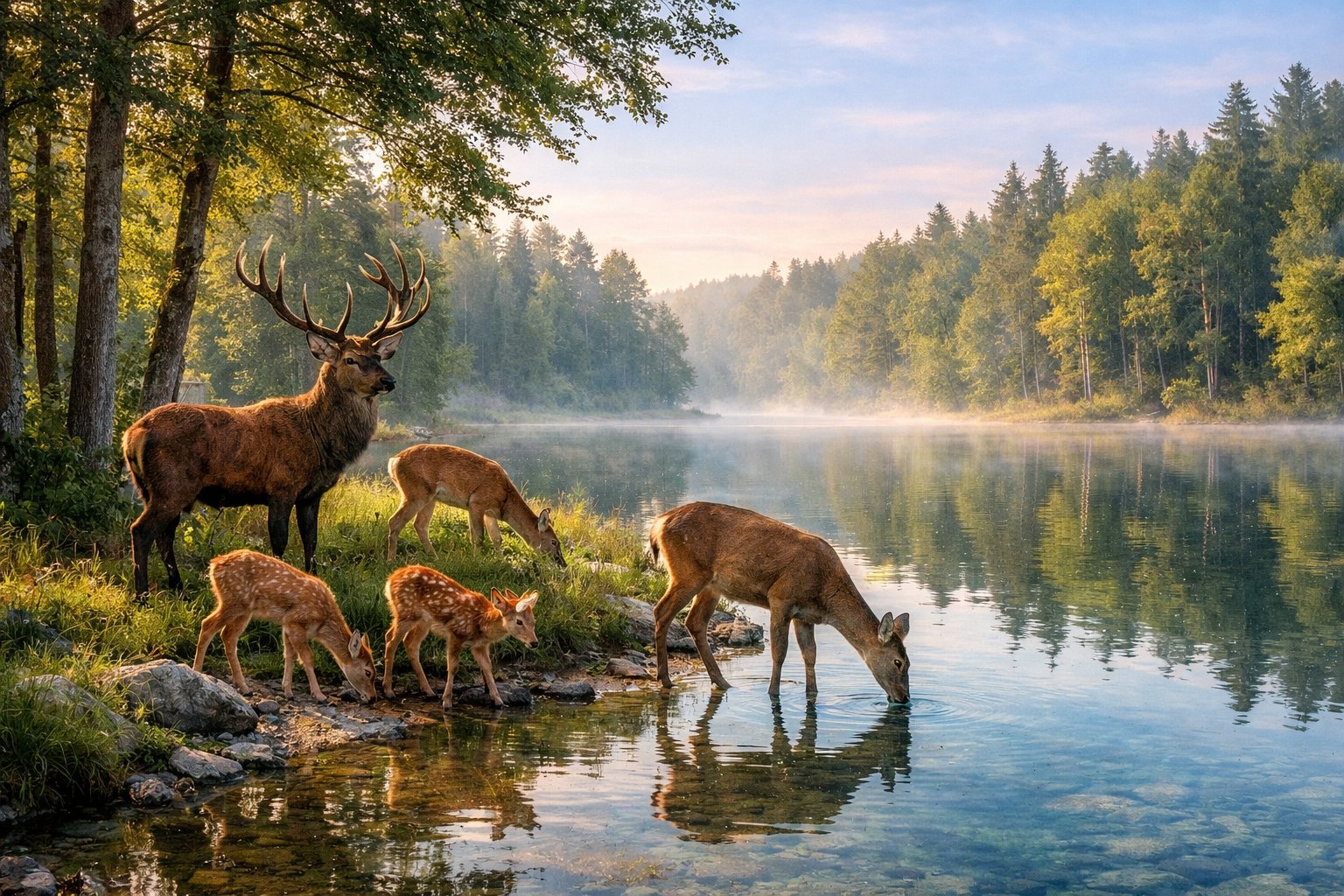
Keep an eye on the season and how much humans are around—those things really shape where deer decide to hang out. Let’s dig into how deer pick their spots throughout the year, and how they shift their habits to deal with whatever’s going on.
Where Do Deer Like To Go Throughout The Year?
Deer move around a lot, always chasing food, cover, or better weather. They go back and forth between feeding spots, thick shelter, and travel routes that fit their needs for that season.
Typical Deer Habitats and Seasonal Preferences
In spring and summer, white-tailed deer stick to places with fresh growth and plenty of browse. You’ll catch them on the edge of forests, out in fields, or in wet meadows where young shoots and acorns are easy to find.
Bucks spend these months building up fat and growing antlers, so they wander pretty far across their range looking for the best food.
When fall rolls in, deer focus on oaks dropping acorns and leftover crops. The rut pulls bucks out into open travel paths between bedding and food.
In winter, a lot of deer head for lower-elevation conifer stands or “deer yards,” where snow isn’t as deep and it’s easier to stay warm. Mule deer might travel much farther than white-tails, though some white-tails just stick it out all year in one area.
Preferred Shelter: Forests, Cover, and Deer Yards
Deer want shelter that keeps out wind and snow but still lets them grab a bite. They hunker down in thick evergreens like spruce or pine, which create those classic deer yards. These stands trap warmth and keep the snow off the ground.
Besides evergreens, mixed woods with a tangled understory give them both food and a safe place to bed. Look for messy spots with young trees, fallen logs, and shrubs—deer love bedding there to hide and stay warm.
If you know where the main deer yards are, it’s smart to give them space in winter so the deer don’t get too stressed.
Daily Movements and Where Deer Go During the Day
Deer usually move most at dawn and dusk. You’ll see them feeding along field edges or in open spots early and late, then slipping back into cover by mid-morning to bed down.
During the day, they pick quiet places—thick brush, hollows, or steep draws—where they can rest and chew their cud.
A buck’s home range tells you how far he might go in a day, and in fall, he might travel even farther. When people are around, deer avoid busy trails and roads, choosing quieter paths instead.
If you want to figure out where they’ll be, watch for trails between bedding spots and feeding areas that get used often.
How Deer Adapt And Survive In Their Favorite Places

Deer rely on a mix of instincts, body changes, and smart choices about where to hang out. They pick spots with food and shelter, then tweak how they move, eat, and rest depending on what’s going on around them.
Behavioral Adaptations and Survival Strategies
You’ll notice deer act differently when food gets scarce or predators are close. In fall, they eat more high-energy plants to build up fat. That fat gets them through the winter when food is tough to find.
Bucks slow down after the rut to save energy, while does might feed more at dusk to dodge hunters.
Deer don’t stick to the same schedule if they feel threatened. In areas with hunters, they become more nocturnal. They also stick to familiar travel routes year after year, which helps them get to good food quickly.
When snow piles up, they use packed trails and clearings to save energy on the move.
You can spot what they’ve been up to—browse lines on shrubs, packed trails in snow, and piles of droppings in bedding spots. These little signs show how deer juggle eating, staying safe, and saving energy.
Shelter and Bedding: Coniferous Trees and Thermal Cover
If you’re trying to find deer beds, check under hemlock, spruce, or thick pine. Those conifers block wind and trap sunlight, making warmer pockets of air called thermal cover.
Both fawns and adults pick these spots to lose less heat and save energy.
Bedding sites often sit on south-facing slopes or right next to thick evergreens. The lower branches catch snow, so there’s less buildup and it’s easier for deer to move and feed nearby.
You’ll see flattened bedding circles and maybe even deer hair on branches where they’ve rubbed or rested.
Land managers leave patches of hemlock or spruce near feeding fields to give deer quick access to both food and shelter. It’s a simple move, but it really helps deer get through tough weather.
Winter Weather Challenges and the Role of Cover
Harsh winter weather really makes deer rethink where they live and how they get by. When deep snow piles up, it takes way more energy for them to walk and find food.
Deer usually cluster in wintering spots where the snow isn’t as deep and there’s enough browse. They do this to cut down on travel and hang onto their fat reserves.
Cover plays a big role, too. It shields deer from biting wind chills, so they don’t need to burn as many calories just to stay warm.
Their winter coats have hollow guard hairs, which add some insulation. Still, if they don’t have good thermal cover, even the thickest coat can’t prevent weight loss. You might see deer losing body mass during drawn-out winters, no matter how well adapted they are.
When snow gets heavy or the cold turns brutal, deer stick to secure bedding spots and keep their feeding trips short and focused. By protecting these wintering areas and the nearby browse, you give your local deer population a real shot at making it through the toughest months.


