
Ever spotted a deer frozen in the woods and wondered if it’s catching some sleep on its feet, like a horse? Well, deer can rest while standing, but honestly, they usually prefer to lie down for real sleep. They’ll only doze upright when they sense danger nearby. That blend of caution and rest shapes how they get their shut-eye.
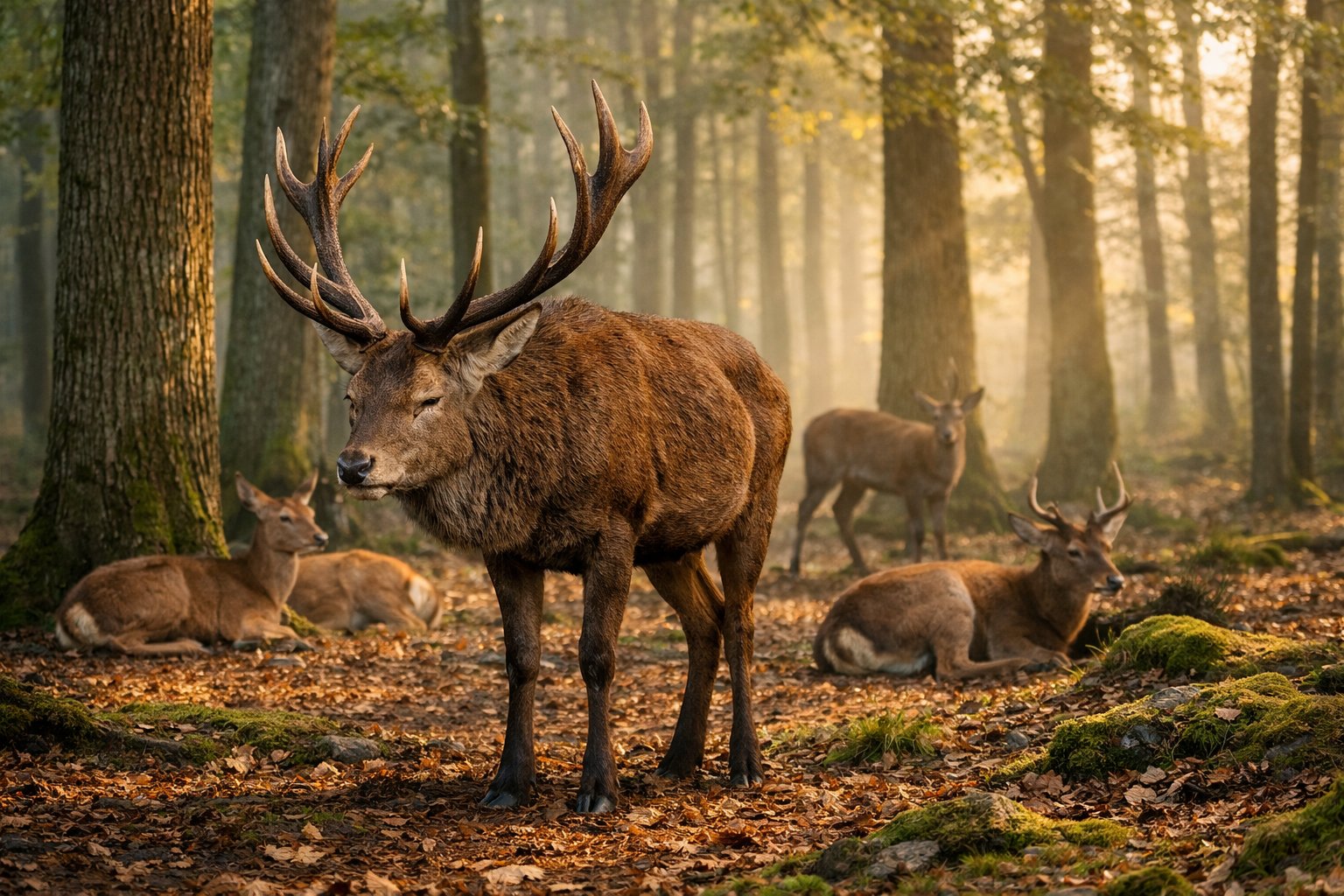
You’ll find out why deer take so many quick naps, how they pick bedding areas to stay safe, and when they actually curl up instead of staying on their feet.
These little details might just change how you look at deer next time you see one.
Do Deer Sleep Standing Up?

Most of the time, deer lie down to really rest, but they sometimes doze while standing if they want to stay ready. Let’s look at how they manage this, how light sleep works for them, and why they sometimes stay upright.
How Deer Rest While Standing
When deer rest upright, they lock their leg muscles to keep balanced. Sometimes you’ll catch one shifting its weight or standing with its head drooped and ears relaxed.
This lets them doze without burning energy on muscle tension.
Standing naps don’t last long. Deer grab lots of quick naps, just a few minutes each, so they can keep an eye out for trouble. You might spot their eyes half-closed, and sometimes their heads bob a bit.
You’ll see this in open fields or spots where they can’t hide well.
Young deer actually rest standing more than adults do. Fawns might freeze or tuck their legs if they need to hide but still need a break.
But adult deer usually go for lying down when they feel safe, since that’s when they get deeper sleep and recover better.
Differences Between Light Sleep and Deep Sleep
Light sleep keeps deer on their toes. If you watch closely, you’ll see slow breathing and quick flicks of the ears or head.
Their senses stay sharp, always ready to catch a sound or scent from a predator.
For deep sleep, things change. A deer has to lie down to get longer, more restorative sleep—think REM phases. In deep sleep, their muscles loosen up, and their breathing gets steady.
That’s when their bodies repair and memories stick.
Most of their sleep is polyphasic, meaning they sleep in lots of short bursts, day and night. You’ll notice them mix standing dozes with lying down.
How much deep sleep they get depends on how safe they feel and even the season.
Why Deer Sleep Standing Up Occasionally
Deer mainly sleep standing up to stay ready for danger. If you watch them in open spots or where predators lurk, standing lets them bolt in a split second.
You’ll notice this especially at dawn and dusk, when predators are on the move.
Weather and terrain matter, too. On wet or cold ground, standing keeps them from getting soaked or chilled.
Sometimes you’ll find deer standing on slopes or rocky areas where lying down just isn’t comfy.
Social stuff comes into play as well. In groups, one deer might stand as a lookout while the rest lie down.
This way, everyone gets a turn to rest but still keeps watch.
Deer Sleeping Patterns and Habits

Deer rest in quick bursts and pick out safe, sheltered places. They stay alert, relying on sharp hearing and smell, and often sleep close to other deer to lower their risk.
Preferred Sleeping Positions of Deer
Most of the time, deer lie down curled up, legs tucked underneath. This keeps them warm and lets them jump up fast if danger pops up.
You’ll also spot them with heads lowered or turned back, sometimes grooming their fur or picking off bugs.
Standing naps do happen, but honestly, not that often. Deer will doze upright if they feel too exposed to lie down.
Deep sleep nearly always means lying down, usually in a little bed of flattened grass or leaves.
How Long and How Often Do Deer Sleep
Deer sleep in lots of short spells throughout the day. Each nap might last less than a minute or stretch to a few minutes of light sleep.
Every 20–30 minutes, they switch between dozing and being more alert.
Over 24 hours, a deer’s rest adds up to several hours, often about half the day, but in little cycles. Expect them to rotate between feeding, moving, and resting, not just crash out for one long stretch.
When and Where Do Deer Sleep
Deer usually catch their sleep during daylight, staying more active at dawn and dusk.
Since they’re crepuscular, they feed the most at twilight and rest during the brightest parts of the day, dodging predators.
They pick bedding spots with thick cover—think brushy edges, young woods, or tall grass. Wind direction matters, too; they choose places where the wind blows scents away from their bed.
You’ll often find deer beds close to feeding areas, so they don’t have to spend much time out in the open while moving.
Species Variations in Deer Sleep
Different species show similar patterns, but there are always small differences. White-tailed deer usually bed down in thick brush and sleep in short bursts close to where they feed.
Mule deer often pick steeper slopes or rocky spots in the western areas they call home.
Moose? They’re bigger, so they make looser beds and sometimes rest more deeply for a bit longer.
Species that deal with more predators tend to take shorter naps and hide in denser cover.
You’ll notice their behavior changes with the season, the local predators, and how much hunting pressure there is.


