
Watching deer nibble your flowers is charming, but feeding them? That can cause more trouble than you might expect for both the deer and your neighborhood. Most of the time, it’s best not to feed deer in your garden because doing so raises disease risk, encourages dependency, and can damage local plants and other wildlife.
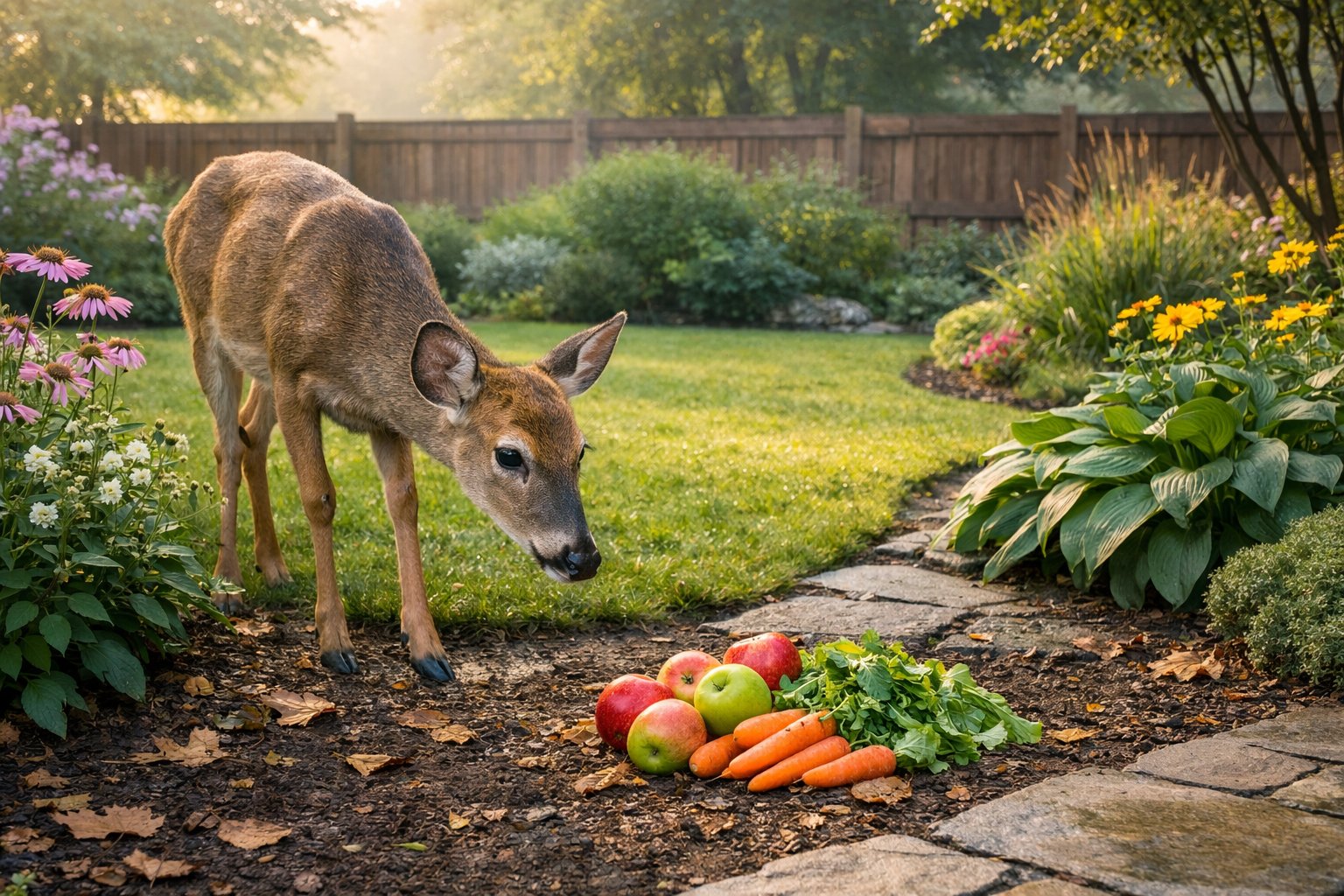
You can still help deer—just not by putting out food. Let’s look at why feeding often backfires and check out safer options and some basic nutrition facts, so you can support wildlife while keeping your yard and the animals healthy.
Is It a Good Idea to Feed Deer in Your Garden?

It might feel generous to feed deer, but doing so often changes their behavior, harms their health, and can mess with your neighborhood. Here’s a quick rundown of the main risks and legal stuff to think about before you put out any food.
Potential Harm to Deer and Wildlife
When you feed deer regularly, they lose their natural fear of people. That means they might start wandering into your yard, getting too close to pets, or even approaching roads.
Deer that get used to handouts can turn aggressive during the rut or if you suddenly stop feeding them. They often lose their foraging skills and struggle when the free food disappears.
Artificial foods like corn or bread just don’t have the nutrients deer really need. Too many grains can upset their stomachs and cause digestive trouble like rumen acidosis.
Young fawns and weaker deer get hit the hardest by these problems. Plus, when you put out food, you might attract raccoons, rodents, or coyotes, which just adds more stress and competition for everyone.
Legal and Safety Considerations
A lot of states and counties have rules—sometimes strict bans—against feeding deer. They want to limit disease and keep nuisance problems down.
Always check with your local wildlife agency before you start feeding. Breaking the rules can get you fined or force you to remove your setup.
Putting food out near roads? That’s risky. More deer hanging around driveways and streets means more chances for collisions, especially at night or dawn.
If predators show up for the easy prey, your pets or even small kids could be at risk. It’s just not worth ignoring local regulations or wildlife management advice.
Risks of Disease Transmission
When you gather deer in one spot, you make it much easier for diseases like Chronic Wasting Disease (CWD) to spread. CWD is a fatal brain disease that sticks around in the environment for years.
Feeding areas quickly become hotspots for saliva, urine, and feces. That’s how CWD and other nasty illnesses move through a herd.
Even if a deer looks healthy, it can carry parasites or bacterial infections to others at the feeding site. You might accidentally help start a local outbreak just by putting out food.
Wildlife agencies track CWD, so it’s smart to check with them for updates in your area.
Impacts on the Ecosystem and Overpopulation
Feeding deer can boost their survival and reproduction, but that can backfire. Too many deer means overgrazed plants and less food for other animals.
Your yard might turn into a buffet, and that damages not just your landscaping but your neighbors’ gardens too.
As deer numbers climb, they destroy native plants, and the whole ecosystem can shift. Songbirds, pollinators, and other wildlife lose the plants they depend on, and biodiversity drops.
Most wildlife managers suggest improving habitat or planting deer-resistant plants instead of feeding, to keep populations balanced.
If you want more details on the risks and laws, check out resources like the Institute for Should you feed deer in your backyard?
Safer Alternatives and Deer Nutrition Basics
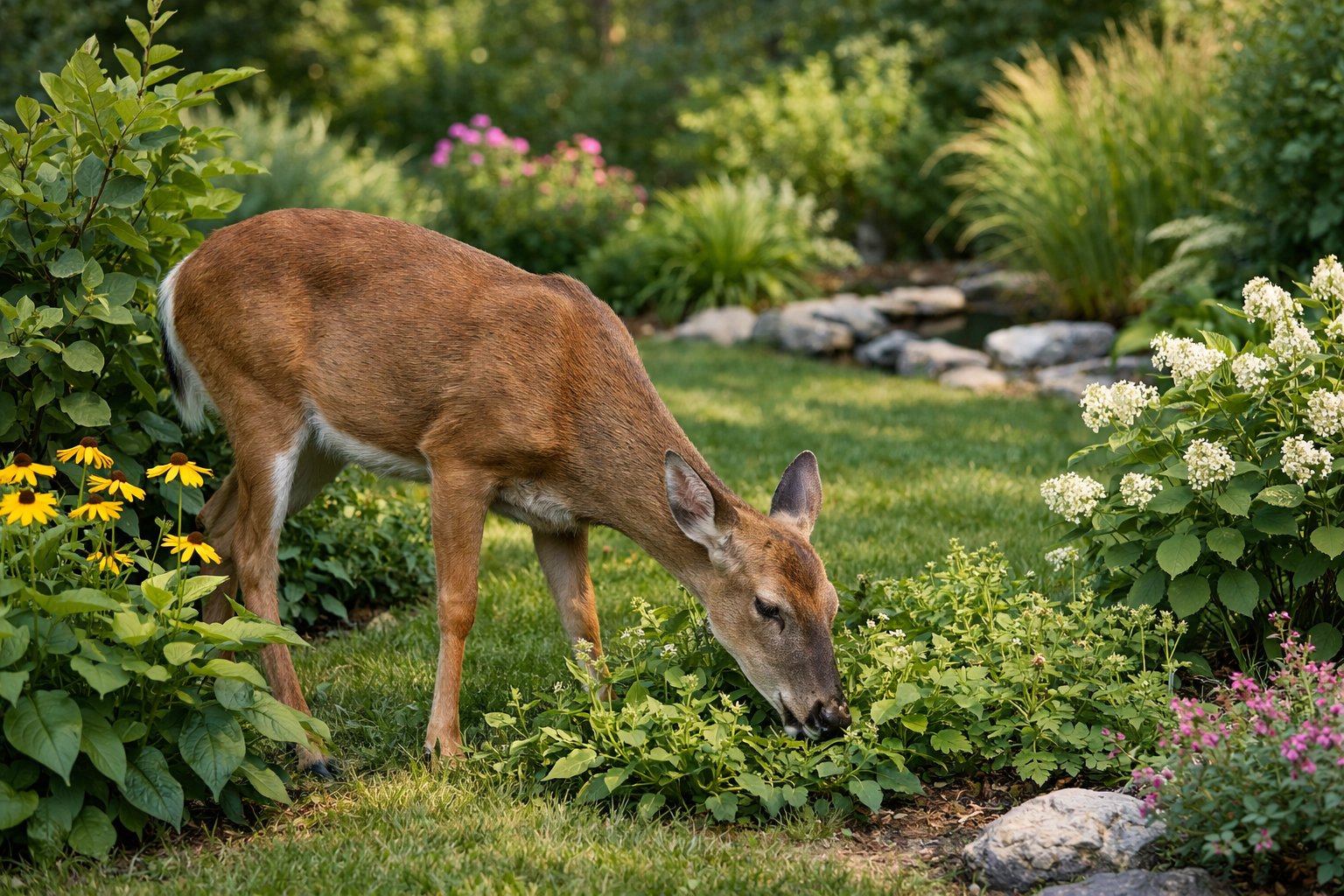
You can support deer without hurting them. Focus on natural browse, proper supplements made for deer, and features in your yard that fit their seasonal needs.
What Do Deer Naturally Eat?
Deer are browse feeders. They eat leaves, twigs, buds, and young stems from shrubs and trees. When they can, they’ll also eat forbs, grasses, acorns, and nuts.
In spring and summer, they go for high-protein forbs and fresh browse to help fawns grow and bucks build antlers. When fall comes, they switch to acorns and chestnuts to pack on fat. In winter, they mostly rely on woody browse and buds.
Keep in mind, their diet shifts with the seasons. More protein in spring and summer, more carbs and fat in fall, and woody stuff in winter. That can help you pick the right plants or foods for your yard if you want to support them.
Safe and Unsafe Foods for Deer
If you want to offer food, stick to what fits their natural diet. Good choices:
- Commercial deer pellets or food with 14–20% protein.
- Nuts like acorns and chestnuts.
- Grains such as oats, or small amounts of soybeans or peas.
- Fresh veggies like carrots and sweet potatoes, but only in moderation.
Skip these—they can mess up digestion or bring in unwanted animals:
- Corn as a main food source. It’s cheap, but it disrupts their gut microbes.
- Processed foods, bread, salty snacks.
- Meat, dairy, or anything oily or sugary.
- Lots of hay or grass for adults. That can block up their digestive system.
If you use pellets or mixes, pick ones labeled for white-tailed deer or cervids. They’re balanced for protein, vitamins, and minerals that mimic what deer actually need.
Deer Feeders and Supplemental Feeding
If you decide to feed, pick feeders that cut down on waste and disease. Gravity or hopper feeders work best because they keep food dry and off the ground.
Clean your feeders often and clear out old or moldy feed. Feed regularly, but don’t overdo it—too much, and deer get dependent.
Keep feeders away from roads and busy areas to lower the risk of accidents. Always check your local laws, since some places restrict or ban supplemental feeding to stop disease.
Don’t feed near livestock, or you might spread diseases between species. Salt or mineral licks can be a safer supplement. They provide trace minerals with fewer calories and attract fewer animals than big piles of food.
Creating a Deer-Friendly Habitat
If you want to help deer year-round, try planting and managing their habitat instead of feeding them directly. Native shrubs and trees, like young oaks, willow, and serviceberry, can give deer plenty to browse on.
You might also want to add some fall-bearing mast plants—oak or chestnut are great if you’ve got the space.
Here are a few design ideas:
- Mix up your edge habitat with grasses, forbs, and shrubs. That way, deer get both cover and food.
- Thin out overcrowded timber so the understory can grow. Deer love the new browse that pops up.
- Plant deer-resistant options near your veggie beds, and keep your favorite ornamentals closer to the house.
- Try rotating what you plant, and keep a mix of young and mature trees and shrubs. That way, there’s always something for deer to nibble.
Focusing on good habitat means you won’t need to rely on supplemental feeding. You’ll help deer get the nutrition they need, and you’ll likely lower the risks of disease and predators too.


