
You’ve probably noticed deer popping up more often—sometimes on quiet country lanes, sometimes in parks, or even edging closer to towns. Honestly, deer are a real headache in some parts of the UK. Their rising numbers have started to hurt woodlands, crops, and, yeah, they cause a fair few road crashes. Let’s dig into why their numbers have shot up and what that means for nature and folks living nearby.
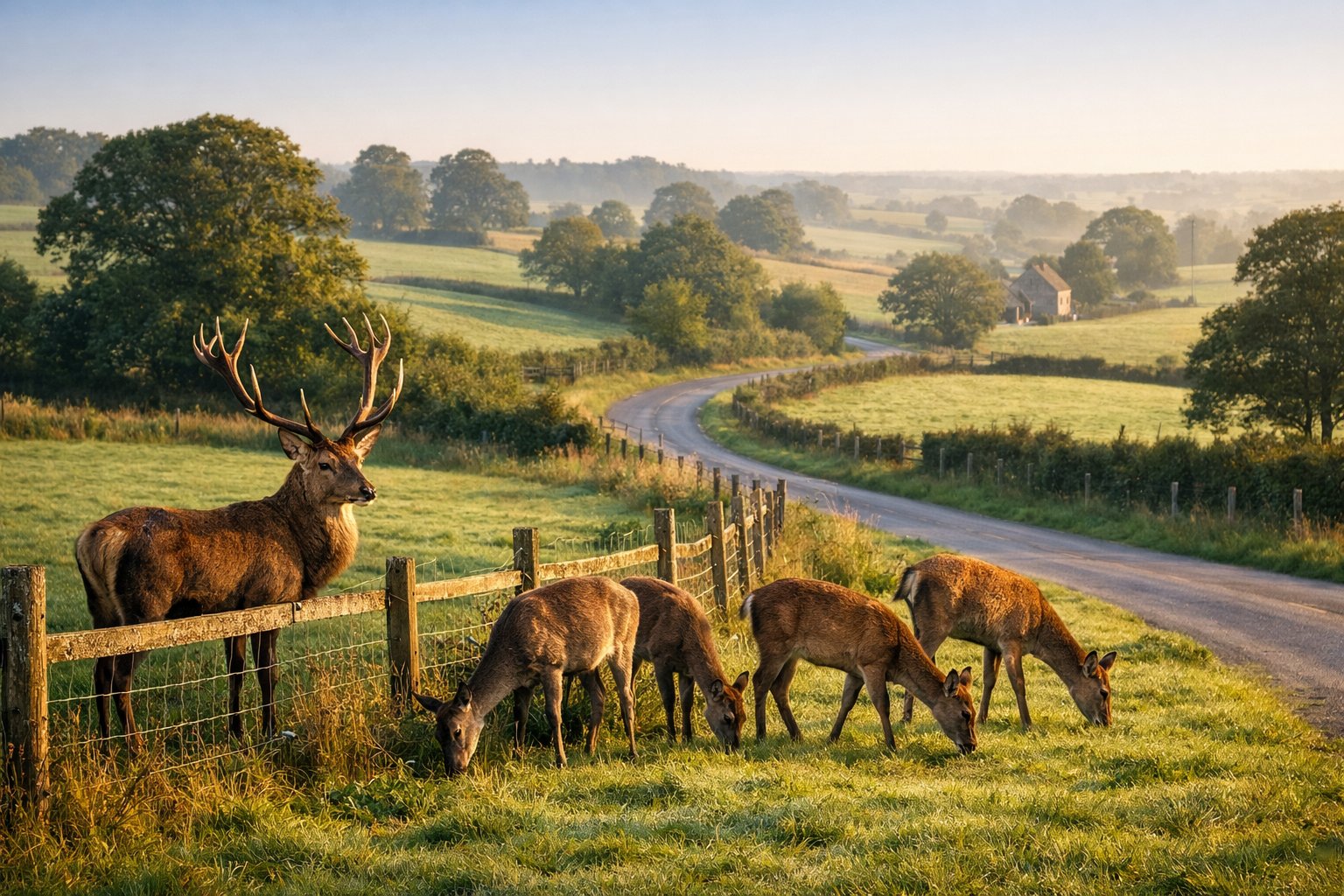
Habitat changes, milder winters, and a lack of predators have all helped deer thrive. That’s not great news for trees, birds, or farmers trying to make a living.
People and land managers have tried all sorts of ways to keep deer numbers in check—from fencing and culling to habitat planning and monitoring backed by science.
Why Deer Are a Growing Problem in the UK
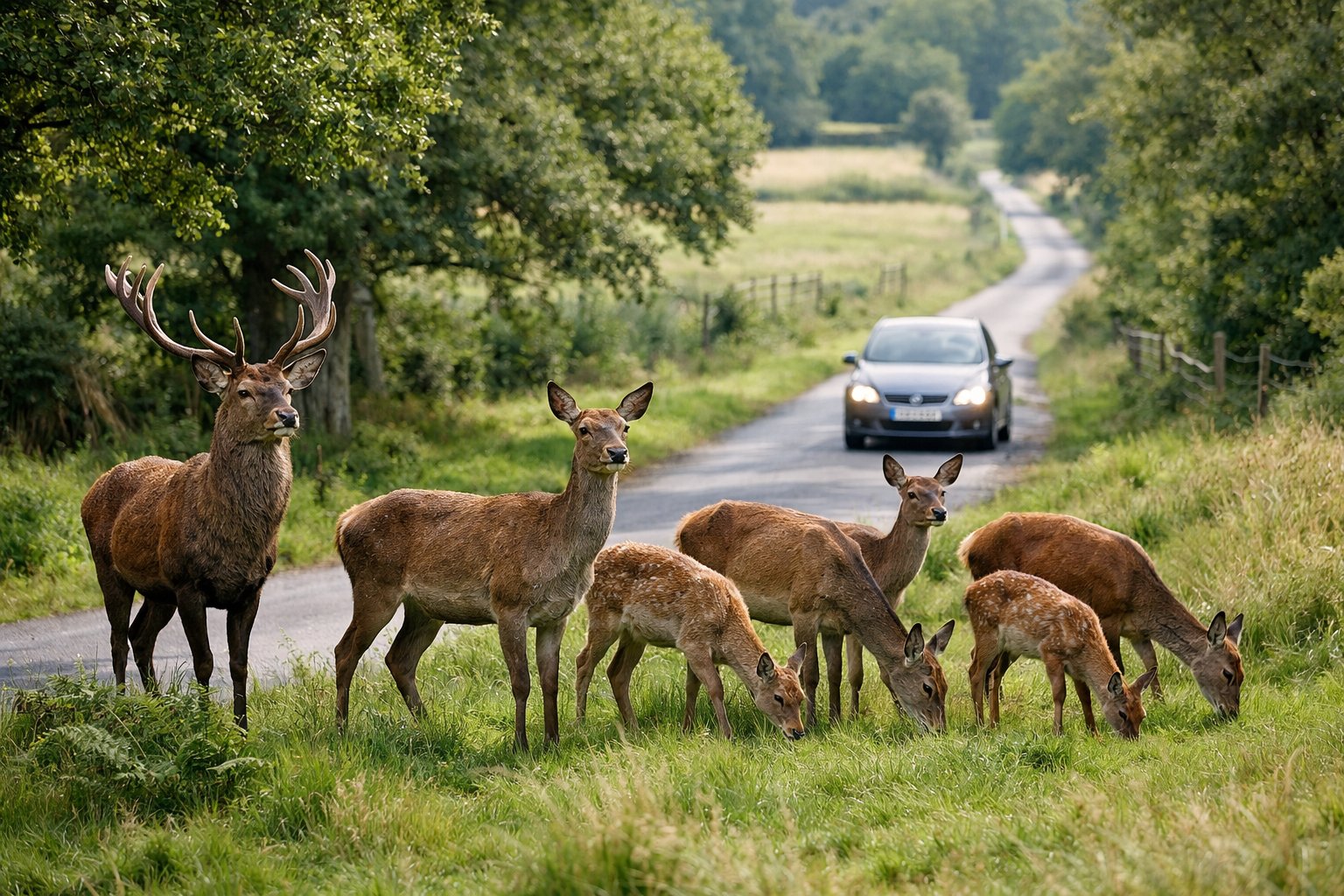
Deer numbers have shot up across Britain. This has started to affect woodlands, farms, roads, and even towns.
Changing mixes of deer species, heavy browsing, and more deer living close to people all add up to real risks for both nature and public safety.
Record Deer Population and Species in the UK
The UK’s wild deer population has reached nearly two million, apparently the highest it’s been in more than a thousand years.
You’ll run into six main species: roe and red deer (the natives), plus fallow, muntjac, sika, and Chinese water deer. Those last four aren’t native, and muntjac and Chinese water deer, in particular, breed fast and have started turning up in gardens and tiny woodlands.
Population control depends on where you are. The Forestry Commission and Defra have said that most areas need bigger culls to keep numbers down.
But it turns out people only manage to cull a fraction of what’s needed, so herds just keep growing and spreading into new places.
Impacts on Wildlife and Biodiversity Loss
Deer eat young trees and ground plants, which means fewer new trees grow and insects and birds lose their homes. You’ll see fewer nightingales and warblers in spots where deer have eaten away the thick undergrowth.
Overgrazing slashes the variety of wildflowers too, which isn’t great for pollinators.
When native plants disappear, so do the specialist species that depend on them. The British Trust for Ornithology and other conservation groups have noticed local drops in bird numbers, often where deer have damaged habitats.
You can really see this in places where deer have stopped saplings from ever becoming mature forest.
Threats to Agricultural Land and Human Safety
Deer munch on crops, young orchards, and hedgerows, costing farmers both time and money. If your fields are near a deer hotspot, you’ll probably get smaller harvests and have to pay for extra fencing or netting.
Deer can wreck timber crops too by eating saplings before they get a chance to grow.
On the roads, deer-vehicle collisions are a big safety headache, especially early in the morning or late in the evening. If you’re driving through areas with lots of deer, your crash risk goes up.
Local councils and highway agencies put up warnings during busy seasons, but accidents still happen where deer move through broken-up landscapes.
Habitat Changes and Urban Encounters
As towns sprawl and forests get chopped up, deer end up in parks, gardens, and even suburbs. You might spot muntjac or fallow deer in small green spaces close to people’s homes.
These urban sightings bring their own problems—garden damage, dogs chasing deer, or just more stress on the bits of nature left in towns.
Fewer predators, milder winters, and more planted woodlands have made towns surprisingly comfortable for deer. Agencies like the Forestry Commission have started to record deer showing up in new spots, so don’t be surprised if you see them where they never used to be.
Solutions and Management Efforts for Deer Populations
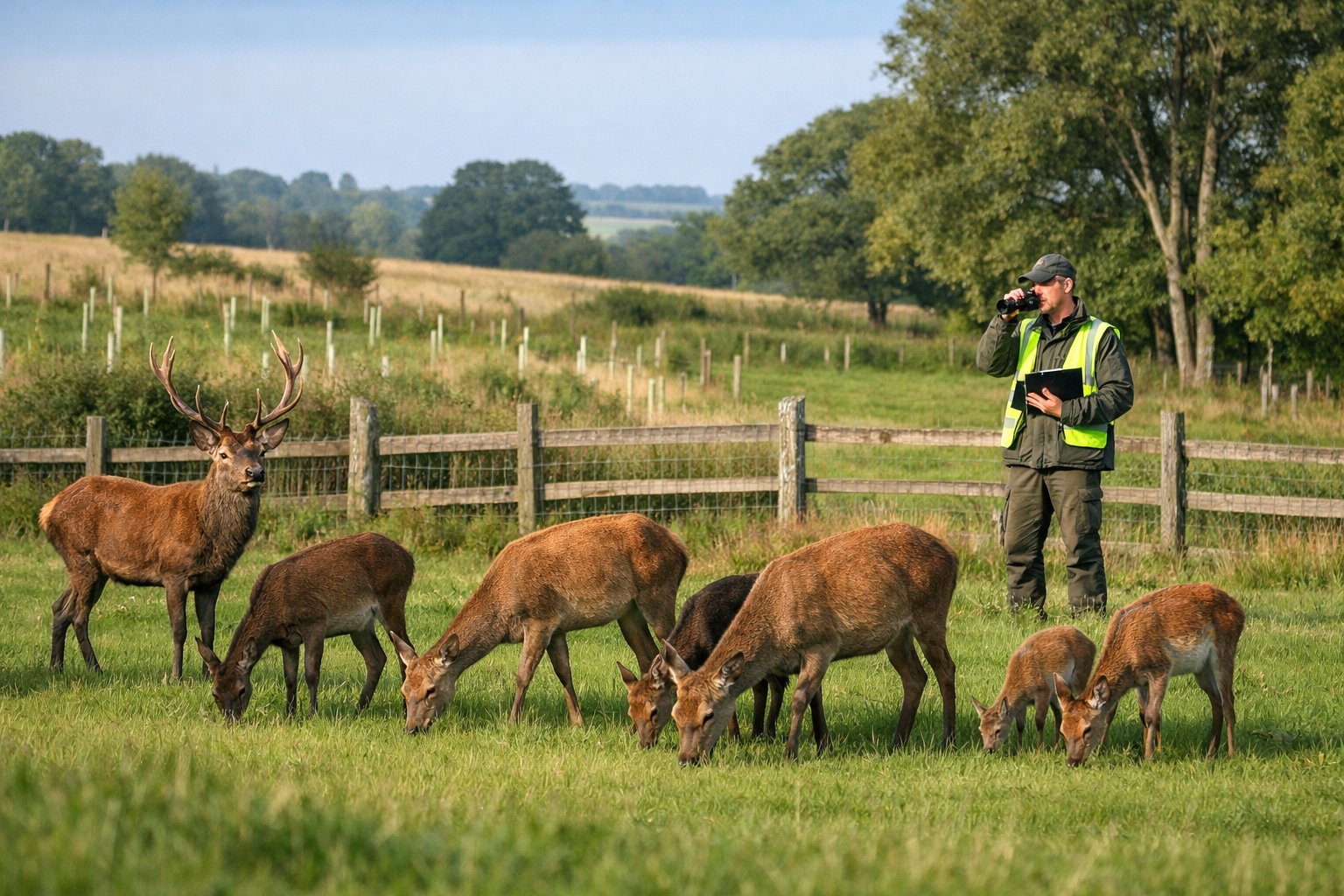
So, who’s actually trying to manage all these deer? A mix of government bodies, charities, and landowners are in the thick of it.
They use culling, fencing, habitat tweaks, and all sorts of monitoring to try to keep things balanced. There’s a lot of debate about rewilding and bringing back predators, too.
Deer Management Strategies and Organisations
The Forestry Commission sets the main rules for planting and protecting forests, which shapes how deer get managed on state land.
The Deer Initiative and the British Deer Society offer advice, training, and best-practice tips to landowners and stalkers. Local councils, big estates, and farmers also run their own control plans to protect crops and young trees.
Fencing, habitat management, and keeping track of culls and sightings all play a part. Good record-keeping helps meet legal and conservation targets.
Public education and working together across property lines can help cut down on conflicts.
The Role of Culling and Venison Consumption
Culling is still the main way people control deer numbers when things get out of hand.
Culls have to follow strict welfare rules and hunting laws, and trained marksmen try to keep suffering to a minimum. Land managers usually set quotas based on surveys of vegetation or road safety risks.
Selling wild venison can help cover costs and gives people a reason to support controlled culls. If you’re buying venison, make sure it’s from licensed, traceable sources.
Linking population control with rural income can encourage more humane, professional deer management, especially under schemes from groups like the Deer Initiative.
Rewilding and Predator Reintroduction Debates
Rewilding proposals get people talking. Some folks push for less hands-on management or want to bring back predators like wolves and lynx.
They’ll say predators could help control deer numbers in a more natural way. But others worry—what about livestock safety, or the impact on farmers trying to make a living?
It’s tough to imagine reintroducing big predators where lots of people live. Ministers, MPs, and even health or environment secretaries often weigh in on these debates.
Before you back the return of predators, think about the scale of the landscape. Human safety and solid monitoring matter too.
Right now, in many places, people stick with targeted culling, some fencing, and habitat work. That’s just the reality for most areas.


