
Ever spotted a deer at the edge of the woods or maybe wandering through a park and wondered how they manage to survive all year? In the UK, deer mainly eat plants—grasses, shoots, tree leaves, fruits, and berries. When winter hits, they go for bark and twigs. The exact menu depends on the species and the time of year.

You’ll see that some species love woodland leaves, while others prefer open grass. Autumn brings fruits and nuts, and spring is all about fresh shoots. Their eating habits shape the countryside, affect gardens, and even influence young trees.
If you know what to look for, you can spot signs of deer and get a sense of their place in the landscape.
What Do Deer Eat in the UK?

Deer in the UK munch on all sorts of plants. They go for leaves, twigs, and soft plants, and they swap foods as the seasons change.
Key Foods in the Deer Diet
Most of the time, you’ll catch deer eating leaves and shoots from woody plants. They love willow, young maple, dogwood, and aspen shoots.
Deer also browse shrubs like brambles and ivy. When food gets scarce, they’ll even nibble on tree bark.
If there’s open land, they’ll graze on grasses and forbs. Clover, alfalfa, and other pasture plants are pretty tempting, especially for fallow and roe deer.
Because they’re ruminants, their rumen lets them handle all that fibrous food.
They won’t turn down concentrated foods either. When autumn and winter roll around, they eat things like acorns and beechnuts.
If apples, pears, or persimmons are around, they’ll go for those too. You might even catch them eating corn and soybeans on farms in late summer and autumn.
Diet Differences Between UK Deer Species
Each species has its own preferences. Roe deer are picky—they go for leaves, shoots, and herbs instead of grass.
They really like young trees and woody shoots in the woods.
Red deer eat more rough stuff. You’ll see them grazing grassland and moorland.
Fallow deer eat more grass than muntjac but also browse shrubs and young trees.
Muntjac stick to low shoots, brambles, and sometimes garden plants like hosta and roses.
Chinese water deer hang out in marshy spots and eat grasses and plants along the water’s edge.
These habits explain where you’ll find damage to trees, gardens, or crops.
Seasonal Changes in Diet
When spring and summer arrive, deer go for fresh leaves, forbs, and new shoots. Clover, alfalfa, and soft grasses help young deer grow and adults recover after winter.
As autumn sets in, they start eating more energy-rich foods: acorns, beechnuts, and fallen fruit. Corn and soybeans in fields become a big deal before winter.
Winter’s tough. Deer switch to bark, twigs, and woody plants like willow and dogwood. When things get really tight, they’ll strip young trees, which can stop new woodlands from growing.
You can check out the Woodland Trust’s what deer eat guide for more on what’s on the menu and how it changes through the year.
Deer Species and Feeding Habits in the UK
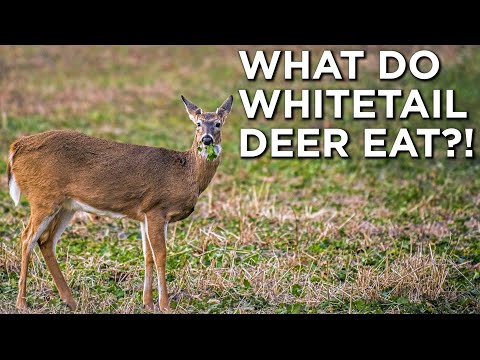
You’ll notice each deer species looks and acts a bit differently. Some feed high up in trees, others stick to low plants, and most shift their diet as the seasons change.
Red Deer Diet
Red deer are the UK’s biggest wild deer. You’ll often see them in big woods or out on moorland, browsing leaves and shoots from shrubs and young trees.
In spring and summer, they prefer grasses and soft plants to build up strength and help stags grow antlers for the rut.
When autumn and winter come, red deer start eating rougher grasses, heather, and woody browse. If food gets scarce, they’ll strip bark from young trees.
A hind with fawns needs richer food in late spring to make enough milk, so you’ll spot them in the best grazing spots.
Roe Deer and Their Food Preferences
Roe deer are smaller and prefer the edges of dense woods and hedgerows. You’ll see them nibbling leaves, shoots, and soft plants close to cover.
They browse higher than muntjac but not as high as red deer—usually up to about 1–1.5 meters.
Roe bucks grow smaller antlers than red stags and eat mainly young shoots in spring to recover after winter. If food runs out in winter, they’ll strip bark and damage young trees, which can be a real problem for woodland regeneration where there are lots of roe deer.
Fallow Deer Feeding Behaviour
Fallow deer adapt easily. You’ll find them in parks, woods, and farmland.
They switch between grazing grasslands and browsing trees and shrubs. In open pasture, they eat grasses and clover, but in the woods, they’ll go for shoots, buds, and fruit.
During the rut, fallow bucks focus more on mating than eating, while hinds need good forage in spring for their fawns. When fallow numbers get high, their feeding can really impact parkland vegetation.
Non-Native Deer: Muntjac, Sika, and Chinese Water Deer
Muntjac deer munch on all sorts of ground-level plants. They’ll browse up to about a meter high, mostly hidden in thick undergrowth.
You might spot them nibbling herbs, shoots, and even garden shrubs. Muntjac bucks get into fights using their small antlers and sharp tusks, and honestly, their sneaky feeding habits can mess up woodland ground flora.
Sika deer eat a mix of grass and browse. They seem to fit right in, whether it’s woodlands or coastal spots.
You’ll catch sika grazing on grasses, heather, and young tree shoots. Sometimes, they even compete with native species—especially in certain areas.
Chinese water deer don’t have antlers. Instead, they use tusks.
They hang around marshy places and prefer to eat grasses, reeds, and low shrubs near water.


