
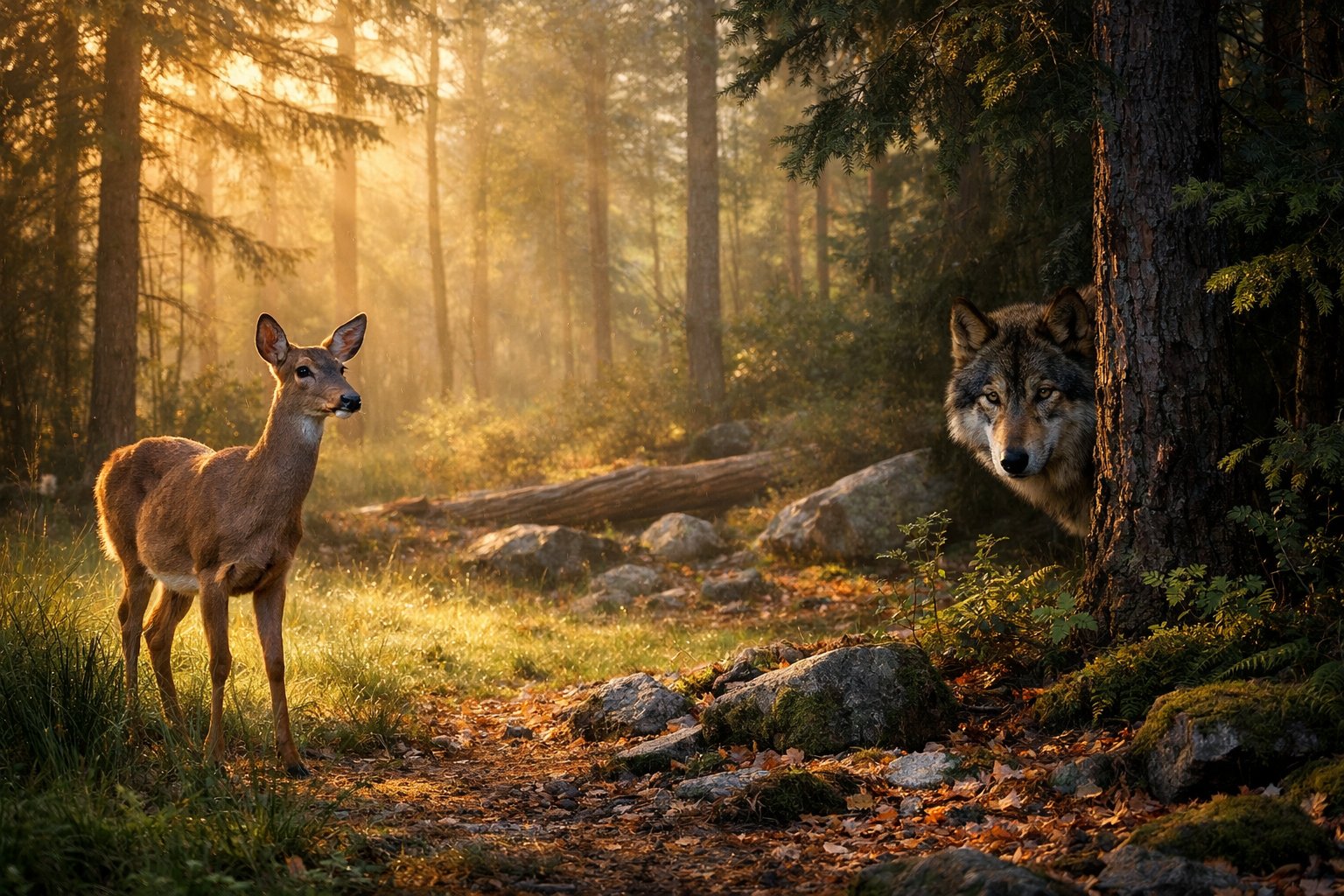
Maybe you’ve spotted tracks, fresh droppings, or heard a sudden rustle in the brush and started wondering—what, or who, can actually take down a deer? Predators, scavengers, and even tough weather can kill deer, but the real list of animals that eat deer is surprisingly long. Wolves, mountain lions, coyotes, and bears lead the pack, while smaller critters and birds join in as scavengers.
Large carnivores like wolves, cougars, and bears usually do the hunting, but coyotes and foxes often scavenge or go after fawns.
If you care about wildlife on your land, you’ll want to know what eats deer. This knowledge helps you manage habitat, predict where carcasses might attract other animals, and figure out when deer are most at risk.
Let’s get into what deer eat, how their diet shifts with the seasons, and which predators or scavengers you’re likely to spot nearby.
Top Foods Deer Love to Eat
Deer go for high-calorie, easy-to-digest foods that help them put on fat and stay healthy. You’ll notice some patterns: they love nuts and mast in the fall, fruits and berries when they’re ripe, and leafy forages in spring and summer.
Acorns and Other Nuts
Acorns rank high on the fall menu for most deer. White oak acorns taste sweeter and drop a bit earlier than red oak acorns, so deer usually go for those first.
Chestnuts and beechnuts also attract deer, especially if oak and beech trees grow near fields or forest edges.
Nuts pack in calories and fat, helping deer bulk up before winter. You’ll often find deer feeding under oak trees during mast years.
If your land has lots of mast-producing trees, expect more deer traffic in autumn and early winter.
Favorite Fruits and Berries
When fruits ripen, deer don’t hesitate. You might catch them munching on apples, pears, or persimmons that have fallen to the ground.
Wild berries—like blackberries and raspberries—are also favorites in late summer.
Fruits give deer quick sugars and water. You’ll sometimes see them in orchards or poking around brushy patches for wild berries.
If you’ve got fruiting trees near a field, deer activity might spike in that spot.
Soybeans, Corn, and Cereal Grains
Field crops are big attractants. Deer will eat standing corn, nibble on mature ears, and browse green shoots.
Soybeans are packed with protein, so deer hit soybean fields hard in late summer and fall.
Cereal grains like wheat offer easy calories, especially after harvest when waste grain is left on the ground.
If you plant small grain plots or food plots of soybeans, you’ll probably see more deer for viewing or hunting.
Just keep in mind: these crops can draw deer from far away and might change their movement patterns.
Clover, Alfalfa, and Other Forages
Green forages feed deer through spring and summer. Clover—especially white clover—is a big draw and easy for them to graze.
Alfalfa gives them high protein and is a favorite where fields are open.
You’ll spot deer on open forage plots, in roadside ditches, and pastures when these plants are growing strong.
Forage plots with mixed clover and grasses keep the nutrition steady across seasons.
These plants support antler growth and help fawns develop by giving them protein and minerals.
Natural Deer Feeding Behavior and Seasonal Diets

Deer eat a wide range of plants all year. You’ll see them switch from tender green shoots to woody twigs, then to nuts and fruits as the seasons roll on.
Browse, Forbs, and Woody Plants
Deer browse woody plants like saplings, shrubs, willow, and dogwood. They strip buds and tender leaves from maple and ash when food gets scarce.
Browse means twigs and bark—lifesavers in winter when grass and forbs disappear under snow.
Forbs are broad-leaf herbaceous plants, like clover and dandelion. These give deer protein in spring and summer, which helps bucks grow antlers.
Shrubs and young saplings take the brunt of heavy browsing. Small trees may never reach maturity where deer are thick.
If you want to protect seedlings and prized shrubs, use fencing or tree guards. Want to see more deer? Plant a mix of native browse and forbs, but expect some damage to your ornamental plants if you leave them unprotected.
Seasonal Diet Changes
Spring brings a craving for high-protein forbs and tender leaves. You’ll catch deer grazing grass, munching on new shoots, and favoring plants like hostas and daylilies as they pop up.
This diet supports lactating does and bucks growing new antlers.
In summer, deer branch out to fruits and even garden veggies if they can find them. They’ll sample carrots, tomatoes, potatoes, and sunflowers. In some spots, they even eat wild mushrooms and lichen.
They go for energy-rich foods to put on fat.
Fall is all about mast—acorns, beechnuts, and other nuts. These supply the calories deer need for winter.
You’ll see them feeding heavily in oak stands and around fruiting trees. They focus on carbohydrate-rich foods to store up fat.
In winter, deer fall back on woody browse—bark, buds, and stem material from shrubs and saplings. Snow often pushes them into areas with dense evergreens, where they can find shelter and whatever browse is left.
Garden Favorites and Human Foods
Deer really love tender, sweet plants in the garden. You’ll often catch them munching on hostas, brassicas like cabbage, sunflowers, and a bunch of vegetables.
They’ll nibble tomatoes and carrots. Sometimes they even dig up potatoes or just mess with them.
Fruit and nut trees? Those are basically invitations during ripening season. If you plant fruit trees, you’re probably going to get some deer visitors.
Deer don’t mind eating ornamental plants either. Daylilies and young maple shoots are on their menu too.
Want to keep your plants safe? Try putting up tall fences, using repellents, or choosing plants deer usually avoid.
But if you’re hoping to see more deer, go ahead and plant a mix of forbs, mast-bearing trees, and browse species. Otherwise, you’ll want to protect your favorite plants if you want your garden to stay the way you like it.


