
Do deer sleep standing up at night? Nope — most deer actually lie down to rest, and they usually catch short naps during the day. At night, you’ll rarely see a deer sleeping on its feet; they find hidden bedding spots and take quick, light naps while staying alert.
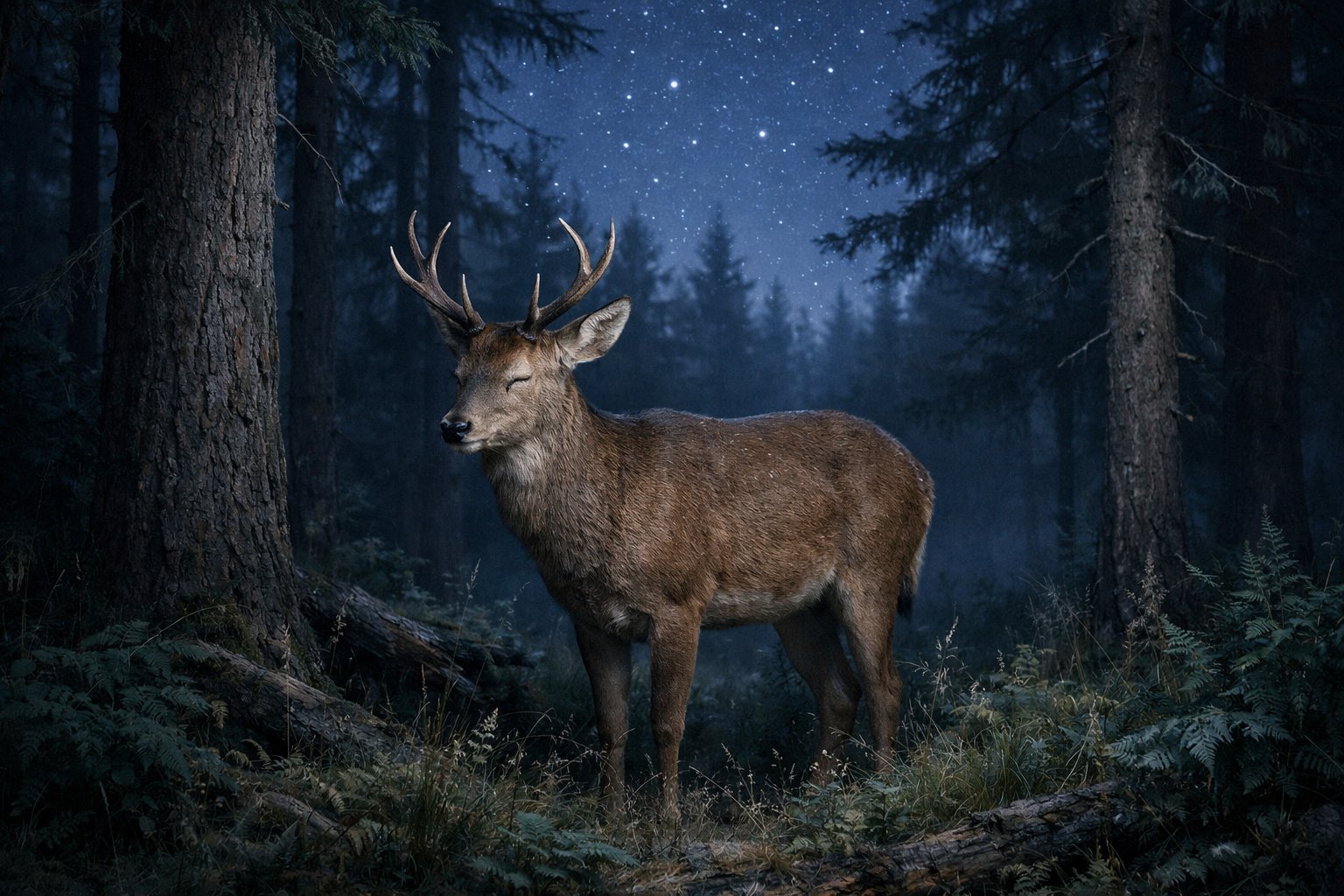
Ever spotted a still deer at dusk and wondered if it just nodded off while standing there? You’re not alone. Let’s dig into why deer pick sheltered places, how their odd sleep patterns help them dodge predators, and those rare times you might catch one dozing upright.
Do Deer Sleep Standing Up at Night?

Deer often take short, cautious rests at night. Sometimes they stay upright, just in case they need to bolt.
You’ll see them stand, lie down, and switch up their habits depending on what’s safest.
Standing vs. Lying Down: Deer Sleep Positions
Most deer like to lie down for real rest. Adults often curl up on their sides, keeping their heads up and ears tuned.
Lying down lets their muscles relax and helps them reach deeper sleep. But deer can also half-snooze while standing, using a tendon “lock” that keeps them upright without much effort.
If you spot a deer standing still at night, odds are it’s only lightly resting, not fully asleep. Fawns tend to lie down more than adults since they’re still growing and need extra shuteye, plus their spots help them hide.
Light Sleep and Deep Sleep Explained
During light sleep, deer lower their guard a bit but stay ready to run. If you notice slow breathing, droopy ears, or half-shut eyes, that’s a sign of a quick nap.
This state gives them a quick energy boost but keeps their senses sharp for threats. When deer finally get deep sleep, they lie down and relax more.
That deep rest only happens in short bursts, usually when the group feels safe. Deer don’t get long stretches of REM sleep; instead, they grab lots of quick naps throughout the night and day.
Reasons for Standing Sleep in Deer
Predators push deer to rest standing up sometimes. When they’re in open areas or sense danger, standing lets them dash off in a split second.
You’ll notice more standing in risky spots or where people are nearby. Weather plays a role too.
If it’s cold or wet, deer look for shelter and bed down to keep warm. In herds, some deer stand guard while others nap, so what you see depends on the cover, the time, and what’s lurking nearby.
Want to dig deeper? Check out more on deer resting habits at the Institute for Environmental Research.
Where, When, and How Deer Sleep

Deer look for hidden, covered spots and take short naps throughout the day. Their habits shift by species and season.
You’ll find them tucked into thick brush, under logs, or along quiet field edges. They use group vigilance to keep safe.
Typical Deer Bedding and Resting Locations
Deer pick beds where they get cover, a good view, and solid footing. Look for flattened grass, leaves, or a shallow dip under shrubs and branches.
White-tailed deer often settle in cedar thickets, switchgrass, or near hedgerows. Mule deer like rocky ledges, sagebrush, or steep draws.
Moose go for dense willows or boggy edges where they can both hide and snack nearby.
Beds usually sit close to food and escape routes. You might spot droppings, chewed plants, or worn trails close by.
In winter, deer bed down in conifers to block the wind. On farmland, they often use field edges or ditches for quick crop access.
Sleep Habits of Different Deer Species
Different deer sleep in their own ways, shaped by their risks and routines. White-tailed deer sneak in short naps during the day and go for deeper sleep at dawn or midday if things feel safe.
Mule deer rest more on slopes so they can spot trouble coming. Moose, being bigger and less worried about small predators, lie down more often but still nap lightly when grazing.
Young fawns sleep more than adults and hide in camouflaged spots while their moms forage. Across all species, deep sleep only happens lying down, while standing rest is for quick recovery.
How often deer sleep depends on safety, hunger, and what season it is.
Nighttime Behavior and Crepuscular Activity
Deer are crepuscular, which means they’re most active at dawn and dusk. They tend to rest during midday and some night hours, and change up their naps based on what’s happening around them.
At night, you might see deer feeding in open fields if it’s quiet and dark. Usually, nighttime deer just take short, alert naps instead of long sleep.
In rural, safer spots, you might catch them lying down for deeper rest. But deer living near people often become more nocturnal to avoid us and traffic.
Group Resting and Predator Avoidance
Deer stick together in groups to cut down on risk while they sleep. In these groups, some deer stay on alert while others catch some rest.
You’ll often spot them switching watch duties or spreading out their beds so they can bolt if needed. Bedding down with others means someone’s usually going to notice if danger shows up.
Deer count more on their hearing and sense of smell than their eyesight when they’re sleeping. They like to rest near escape routes—think thick brush, sloped ground, or open paths.
If you get too close, deer won’t waste time; they’ll stand up and dash off pretty fast. Since a deer takes a moment to get up, it avoids bedding down where cover is thin.
Curious about what deer beds look like or where you’ll find them? Check out this handy guide to where deer sleep.


