
Ever spot a deer on your drive and find yourself wondering how long it might live? Most wild deer only make it about 4–6 years, but in captivity, some can reach 10–20 years with the right care and species. Let’s dig into the usual lifespans, some record-breakers, and what really shapes how long deer stick around.
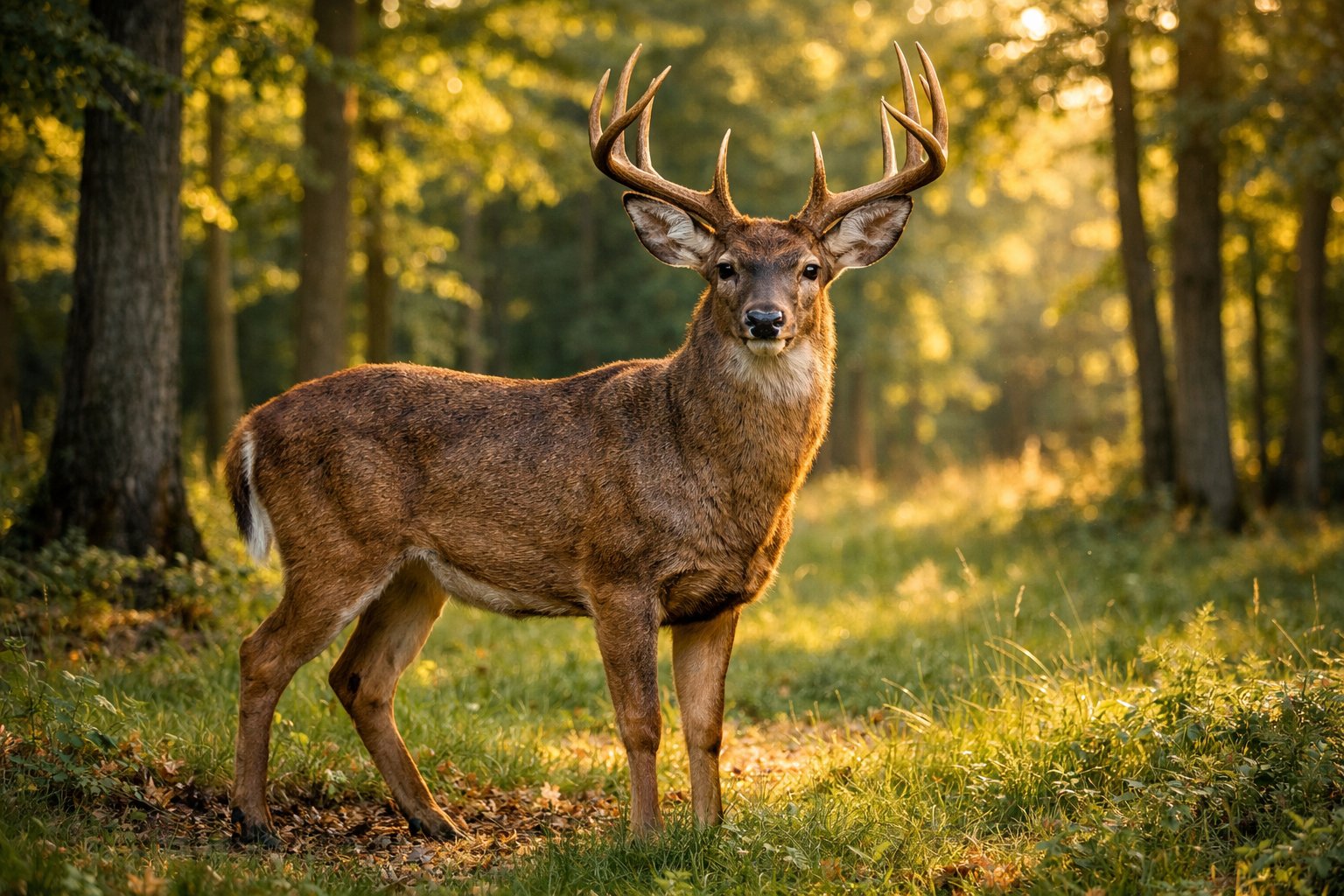
We’ll look at what a short wild life actually means, how a lucky few deer reach old age, and the big things that help or hurt deer longevity. Predators, disease, food, and people all play a part.
Hopefully, you’ll come away with a few surprising facts about deer lifespans—and maybe see why it matters for wildlife and your own neighborhood.
Average Deer Lifespan and Record Ages

Deer don’t all live the same number of years. Where they live, how many predators or hunters are around, and whether they’re wild or captive all change the numbers a lot.
You’ll see some typical ages, a few rare records, and how bucks and does differ.
How Long Do Wild Deer Live?
Wild deer usually don’t make it as long as you’d guess. For white-tailed deer, most wild ones survive only about 3 to 6 years.
Predators, hunters, cars, and disease all take a toll—especially on fawns and young adults.
Fawns have it rough; many don’t even see their first birthday. If a deer makes it to adulthood, its odds of hitting 5 or 6 years go up, but making it past 8 or 10 is rare, especially where hunting or predators are common.
Local things like food, habitat, and how much people hunt really shape how long deer live in an area.
How Long Do Deer Live in Captivity?
In captivity, deer get a much better deal. People protect them from hunters, predators, and food shortages.
Captive white-tailed deer and some other species often live 12–20 years. Regular food and vet care help them live longer and healthier.
Deer in captivity still get old and face health problems, but you’ll see more of them reach double digits. Some females even have fawns late in life.
Oldest Deer on Record
Some deer set records that sound almost unreal. Captive deer have made it into their early or even mid-20s.
Wild deer don’t get that old; the oldest wild ones on record reached around 15–19 years, but that’s super rare.
Researchers track these records in captivity or with careful monitoring in the wild. These outliers show what’s possible, not what’s normal. They help scientists separate what’s natural from what’s changed by humans.
Differences Between Bucks and Does
Bucks and does don’t have the same odds. Bucks tend to die younger, especially during the rut when they fight and get spotted by hunters.
Does usually outlive bucks. They avoid risky fights and often dodge hunters better.
Female deer matter most for population growth, since adult does produce fawns every year and really shape the future of the herd.
Factors Influencing Deer Lifespan and Species Variations
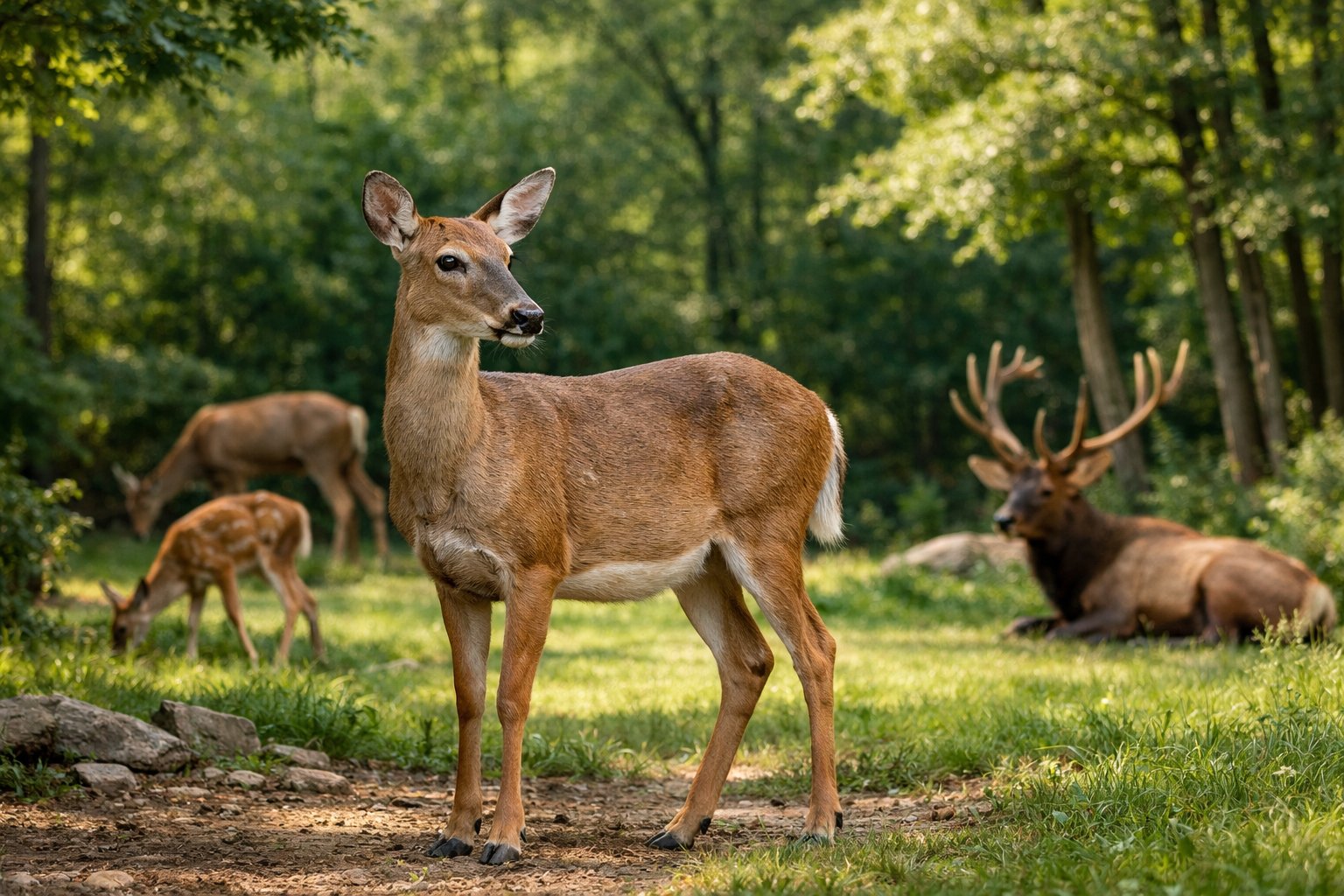
Let’s talk about what really cuts a deer’s life short, how disease and people change their odds, and why some species just live longer.
Predators and Natural Threats
Predators cause most of the deaths, especially for fawns. Coyotes kill tons of young white-tailed deer in North America.
Wolves and mountain lions go after adults where they live. Bobcats and black bears also take out fawns and sometimes yearlings.
Where a deer lives changes its risks. Open farmland exposes deer to coyotes, while thick forests give mountain lions the edge.
Fawns really have it tough; predators get a lot of them in the first weeks. For adults, car crashes are a huge danger, especially near forests and suburbs.
Impact of Disease and Health Issues
Diseases can wipe out whole groups of deer. Chronic wasting disease (CWD) leads to weight loss and death.
Epizootic hemorrhagic disease (EHD) causes sudden die-offs, usually in late summer and fall. Bovine tuberculosis shows up in some places and slowly weakens deer.
Parasites like lice hurt deer in winter by messing with their coats, which can lead to winter kill. Poor nutrition makes deer even more likely to get sick.
When a disease outbreak hits, it can take out a lot of deer fast.
Environmental, Human, and Population Factors
Brutal winters kill deer when deep snow and ice make food impossible to reach. Habitat loss from building and farming leaves less food and cover.
Heavy hunting usually means younger herds, while smart, regulated hunting can actually help keep the population healthy.
People cause more car crashes with deer and split up their habitats, which stresses deer out and spreads disease. Overcrowding leads to more sickness and weaker deer.
You can help by supporting wildlife corridors, better road planning, and just being careful when driving in deer country.
Lifespan Differences Among Deer Species
Different deer species live for wildly different lengths of time. Size, predators, and where they call home all play a big part.
White-tailed deer usually make it 6 to 14 years out in the wild. Local threats and how much food they can find really shape those numbers.
Mule deer fall into similar age ranges. If predators are thick or their land disappears, their chances drop.
Roe deer and sika deer, especially in parts of Europe and Asia, tend to stick around for 8 to 12 years if things are normal.
Big guys like red deer and moose can live longer, assuming people aren’t hunting them hard. Red deer sometimes hit their teens when they’ve got a decent habitat.
Scottish red deer have it tougher, though. Whether they’re on islands or up in the highlands, location changes everything for them.
When people keep deer in captivity, they usually get to live into their late teens or even early 20s. It’s no surprise—steady meals, vet visits, and nothing chasing them make a huge difference.


