You might worry about touching a fawn, thinking its mother will abandon it. But honestly, a mother deer almost never rejects her baby just because a human touched it—her urge to take care of her fawn is incredibly strong.
Knowing this can help you stay calm and make better choices if you ever stumble across a fawn alone.
Let’s talk about why this rejection myth even exists, how deer actually behave, and what you should do if you spot a fawn that seems to be in trouble.
You’ll get some simple advice on keeping the fawn safe and figuring out when it’s time to call for wildlife help.
Will a Mother Deer Reject Her Baby if Touched?
You’ll find out if touching a fawn really makes its mother abandon it. We’ll also look at how does recognize their young, why fawns are left alone, and how human scent affects deer behavior.
The Truth Behind the Abandonment Myth
A lot of people worry that if they touch a fawn, the mother will reject it. That idea comes from the belief that animals avoid anything with a human smell.
But wildlife experts and rehab groups say abandonment just because of human scent almost never happens. Mother deer, especially white-tails, almost always come back for their babies even if a person handled them for a moment.
Still, you shouldn’t touch a fawn unless it’s in real danger. Human contact can stress the baby and might make it easier for predators to track it down.
If you spot a fawn near a road or see it’s hurt, call your local wildlife authorities or a rehab center. Don’t try to care for it yourself.
Maternal Instincts and Fawn Recognition
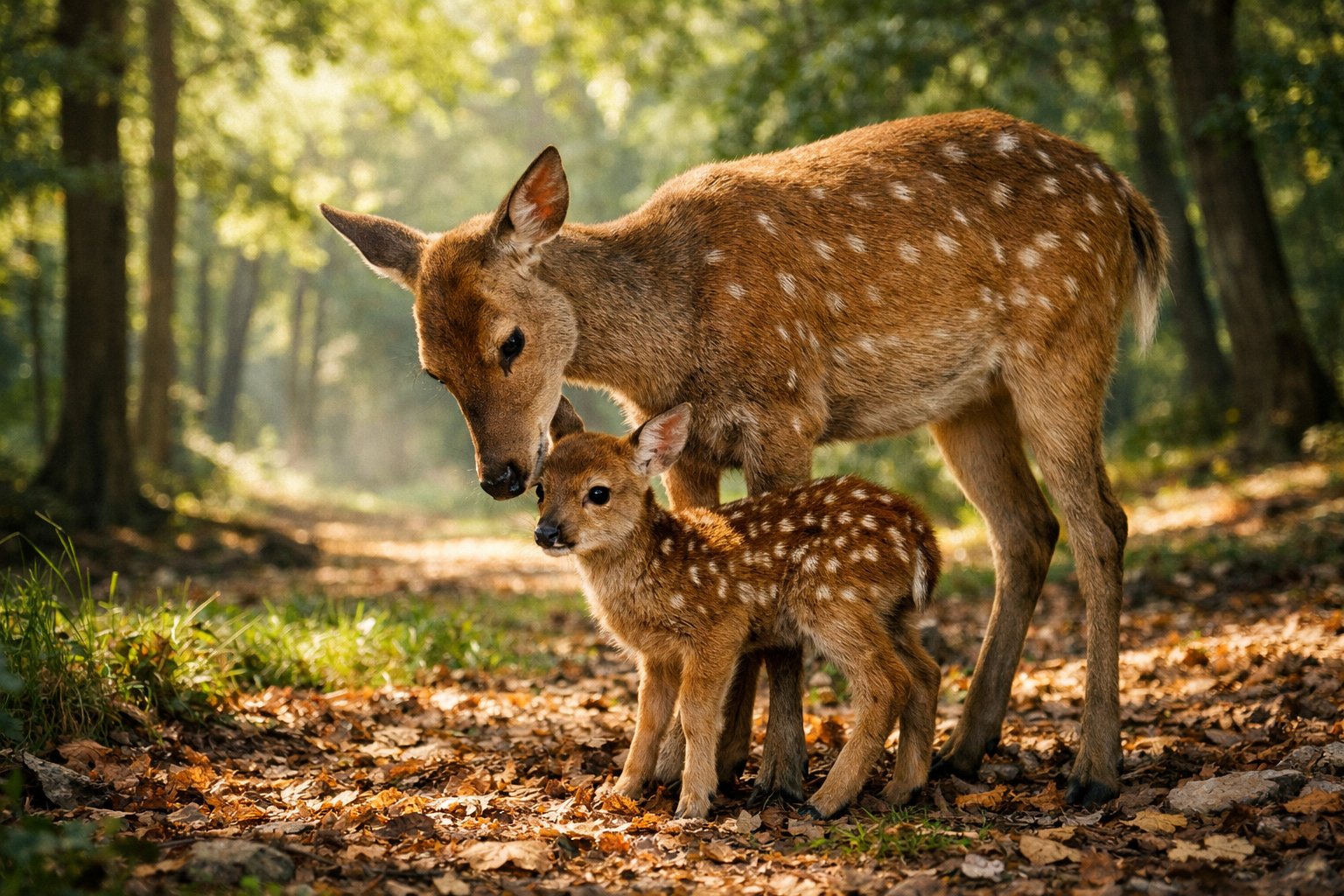
Does use their eyes, ears, and especially their noses to find and care for their fawns. A doe usually hides her fawn in thick plants while she goes off to eat.
She comes back several times a day to check on, feed, and groom her baby. Even if someone handled the fawn for a minute, the mother’s strong instincts usually bring her right back.
Researchers have noticed that does recognize their fawns by scent, which is pretty amazing. Bedding and natural oils help mask the fawn’s smell, and the mother learns her baby’s unique scent.
A quick touch from a human doesn’t break that bond. If you touched a fawn by accident, just back away and give the mother time to return.
Why Fawns Are Left Alone
Fawns depend on their spotted coats and staying super still to stay safe. Newborns barely have any scent, which helps them avoid predators.
Mothers hide their babies in tall grass or brush and only come back to feed them. This method keeps predators from finding the fawn and gives it a better shot at surviving those first tricky weeks.
Sometimes people see a fawn alone and think it needs help, but usually, it doesn’t. Only step in if the fawn looks hurt, cold, or is in immediate danger (like if it’s on a busy road).
If you have to move it, just shift it a few feet to safety and call wildlife professionals.
Human Scent and Deer Behavior
Human scent can stick to a fawn after it’s been handled, but deer use more than just smell to figure things out. Some folks still repeat the myth that a mother deer will always abandon a touched fawn, but wildlife agencies and rehab centers say that’s not true.
They do recommend keeping contact to a minimum, mostly because your scent might attract predators or stress out the fawn—not because the mother will for sure leave.
If you really have to touch a fawn in an emergency, put on gloves if you can and keep your time with the animal short. Afterward, leave quietly and watch from a distance.
Don’t pick up healthy fawns. Instead, call the experts who know what to do.
What to Do if You Find a Baby Deer

If you find a fawn, try to stay calm and just watch from a distance. Your main goal should be to protect the fawn and get professionals involved if help is needed.
How to Recognize a Healthy Fawn
A healthy fawn usually lies very still, has clean fur, and no obvious wounds. Look for slow, steady breathing, a coat with white spots, and bright eyes with alert ears.
Don’t jump to conclusions if you see a fawn alone. Mothers often leave their babies hidden for hours while they go off to eat.
If the fawn moves when you get close or stays curled up and quiet, the mother is probably nearby. That’s just how deer do things.
If you see a fawn that looks thin, has maggots or flies, is bleeding, has broken legs, or seems weak and shaky, it probably needs help. Note where you found it, snap a photo if you can, and call a professional instead of trying to help on your own.
Intervening Responsibly: When to Seek Help
Only step in if the fawn is hurt, obviously orphaned (like if you see a dead mother), in immediate danger, or stuck on a busy road. Moving a fawn can stress it out and lower its chances if the mother is still coming back.
If you have to move a fawn out of harm’s way, wear gloves, set it down in tall grass or brush near where you found it, and then back off and watch from a distance. Keep handling to a minimum and don’t feed it or give it water—wrong food can actually hurt a fawn.
Call a local wildlife rehabber or animal control if the fawn looks injured, has been cold for a long time, or if you saw the mother get hit by a car. Keep kids and pets away, and try to keep things quiet.
For more advice, check this practical guide on what to do if you find a baby deer.
Finding and Contacting Wildlife Specialists
Look up a licensed wildlife rehab center or rehabber in your area. State wildlife agencies usually post lists of approved rehabbers and can give you advice right away.
If you can’t reach a rehabber, try animal control or a wildlife biologist at your state agency. When you call, give them the exact location, the time you found the fawn, its condition, and if you moved it.
Take clear photos if possible and keep your phone handy in case they call back. If it’s urgent—like the fawn is bleeding or has a broken leg—let them know it needs help right away.
Keep the fawn warm but don’t try to care for it yourself. Wildlife centers have the right permits, medical know-how, and experience to treat orphaned fawns and, when possible, reunite them with their mothers.
Legal and Ethical Considerations
Most states want you to get a permit before you keep or care for wild deer. If you remove a fawn without proper permission, you could break the law—and honestly, you might hurt its chances of survival. Always check your local laws before you bring any wild animal to a vet or try to take it home.
When it comes to ethics, you should focus on what’s actually best for the animal. Leaving a healthy fawn alone usually helps deer populations and lets nature do its thing. If you really need to step in, go with licensed wildlife rehabilitators or proper rehab centers. Keeping a deer as a pet? That’s a whole other can of worms, with tricky legal and welfare problems.
If you find an injured fawn, contact professionals right away. Don’t try to handle long-term care yourself. Let the experts protect the fawn and support deer conservation while respecting wild habitats.


