
You’ll spot deer most often when the light’s low—think dawn and dusk. That’s when they’re moving, balancing visibility and safety.
If you want it straight: expect the most deer activity just before sunrise and right after sunset. Most of the year, that’s the pattern—unless weather, hunting, or the rut shakes things up.
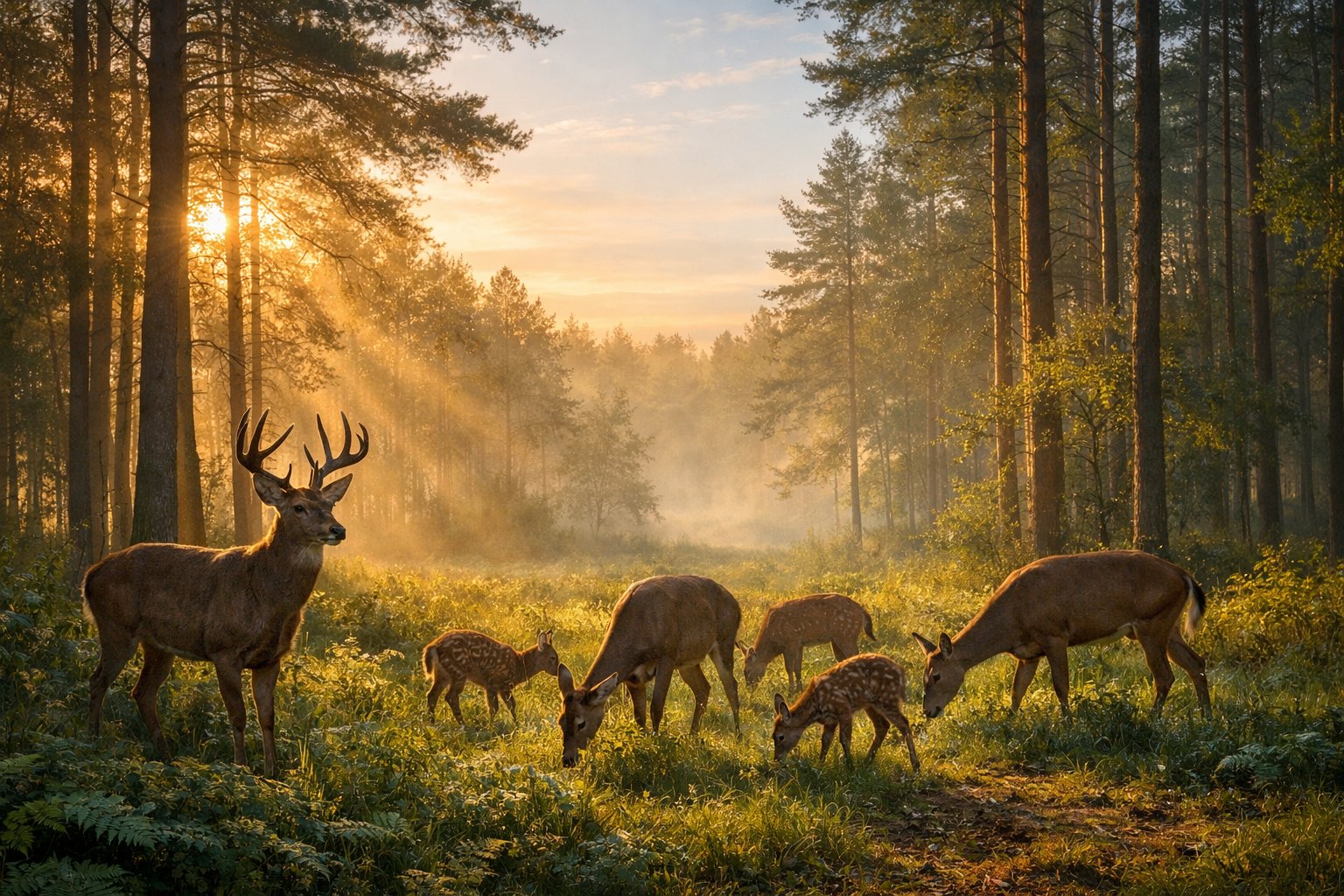
This post digs into why those twilight windows matter, how things like season or weather can mix it up, and what clues you should watch for. Want to time your outings better? Stick around for a few simple tricks to predict deer movement and find the best spots to watch or hunt.
When Are Deer Most Active?

Deer tend to move most at the edges of daylight and night. You’ll see clear patterns tied to light, weather, and food, which makes it easier to pick the best times.
Dawn and Dusk: The Prime Activity Periods
Dawn and dusk are when deer really get moving. At first light, you’ll see them leaving bedding spots to feed. After the evening feed, they head back to cover.
These times have low light but enough visibility for deer, which gives them a bit of a safety net.
Try to get in position 30–60 minutes before sunrise, or stick around 30–60 minutes after sunset. In spring and summer, activity sometimes starts earlier as fawns grow and food is everywhere.
During the rut, bucks might get bold and move during daylight, so you could see them outside the usual times.
Crepuscular Nature and Twilight Hours
Deer are crepuscular, which just means they love those in-between hours. You’ll catch the most action during civil and nautical twilight. Shadows are long, but the forest still offers cover.
Light levels make a big difference. At low light, deer use their sharp vision and hearing to move and forage.
Weather can shift things too. A cool front or light rain often bumps up twilight movement.
If you run trail cameras, you’ll notice most photos cluster around these twilight periods. That makes it easier to spot a pattern on your property.
Comparing Morning and Evening Movement
Morning and evening movement isn’t always the same. In the morning, deer usually leave bedding to reach food. You might spot single does or small groups moving quietly.
Evenings are more about feeding. Deer will linger and feed longer before bedding down.
Across seasons, mornings can be more active in spring and summer when everything’s growing. Evenings pick up in fall, especially during the rut when bucks chase does and bounce between feeding and bedding.
You’ll want to adjust your timing based on local food sources or hunting pressure to match what’s happening.
Factors That Influence Deer Activity

Weather, season, food, and the presence of humans or predators all change when and where deer move. You can use these factors to predict travel routes and feeding times.
Weather Conditions and Their Impact
Weather can nudge deer to move at odd times. When it’s hot, deer rest in thick cover during midday and feed in the cooler dawn, dusk, or night.
A cold snap can pull deer into open fields midmorning as they look for sun and warmth.
Heavy storms slow them down, but after a light rain, you might see more activity. Barometric pressure shifts sometimes trigger short bursts of feeding.
Wind matters too. Strong wind can keep deer hidden since they rely on scent. But a light northwest breeze might actually help by masking your scent, making deer more visible along the edges.
Moonlight also plays a part. Bright full moons can push feeding later or into the night. Dark new moons might nudge some movement back into twilight.
It’s worth watching the weather and moon phase together to fine-tune your timing.
Seasonal Changes and the Rutting Season
Season shapes what deer do each day. In spring and summer, they focus on fawns and green browse, so you’ll see more movement near water and thick cover.
Late summer and fall are all about high-calorie foods like acorns and crops. Deer build up fat stores for winter.
The rut changes the game. During peak rut, bucks travel day and night looking for does. They get less cautious, and you’ll see more daylight movement, sparring, and crossings between bedding and feeding spots.
After the rut, bucks feed heavily and settle back into their usual twilight routines.
Habitat matters too. Edge habitats—like fields next to woods—become busy travel corridors in fall, especially when acorns and crops are available.
Watch for seasonal shifts in food and cover to figure out where deer are hanging out.
Food Availability and Feeding Patterns
Food drives almost everything. When acorns drop, deer pile up under oak stands and move into fields to feed on grain or soybean leftovers at first and last light.
If food is scarce, deer might stretch their activity into daylight to find what they need.
Different foods pull deer to different places. In spring, fresh browse and green forbs keep them near wet draws and stream edges.
Late summer brings fruit and crops, so you’ll see more movement between woods and fields. Water sources also matter—a drought can pull deer to water at odd hours.
Try to map out likely travel routes by connecting bedding cover to food sources. Trails often run from thick brush bedding areas to feeding zones across the edge or into open fields.
Effects of Hunting Pressure and Predators
Hunting pressure changes where and when deer move, and it happens fast. In spots with a lot of hunting, deer get more nocturnal and stick to thick cover during the day.
But if hunters rarely visit, deer stay crepuscular. You’ll probably see them showing up around dawn and dusk, like clockwork.
Predators—wolves, coyotes, or even people—make deer way more careful. They start hugging cover, feed in quick bursts, and change beds more often if predators hang around.
During the rut, bucks sometimes throw caution out the window and move more in daylight, even with predators nearby.
So, what should you actually do? If hunting pressure’s high, try glassing for deer at first and last light from a safe blind near bedding-to-feed funnels.
In low-pressure spots, set up by field edges where deer cross over to feed. Always tweak your setup for predator signs, hunting activity, and whatever local patterns you notice.


