
You see deer at dawn or dusk, and then—just like that—they disappear. Where do they go? Deer sleep in hidden bedding areas like tall grass, dense brush, forest edges, and evergreen thickets, so they can rest but still keep an eye (and ear) out for danger.
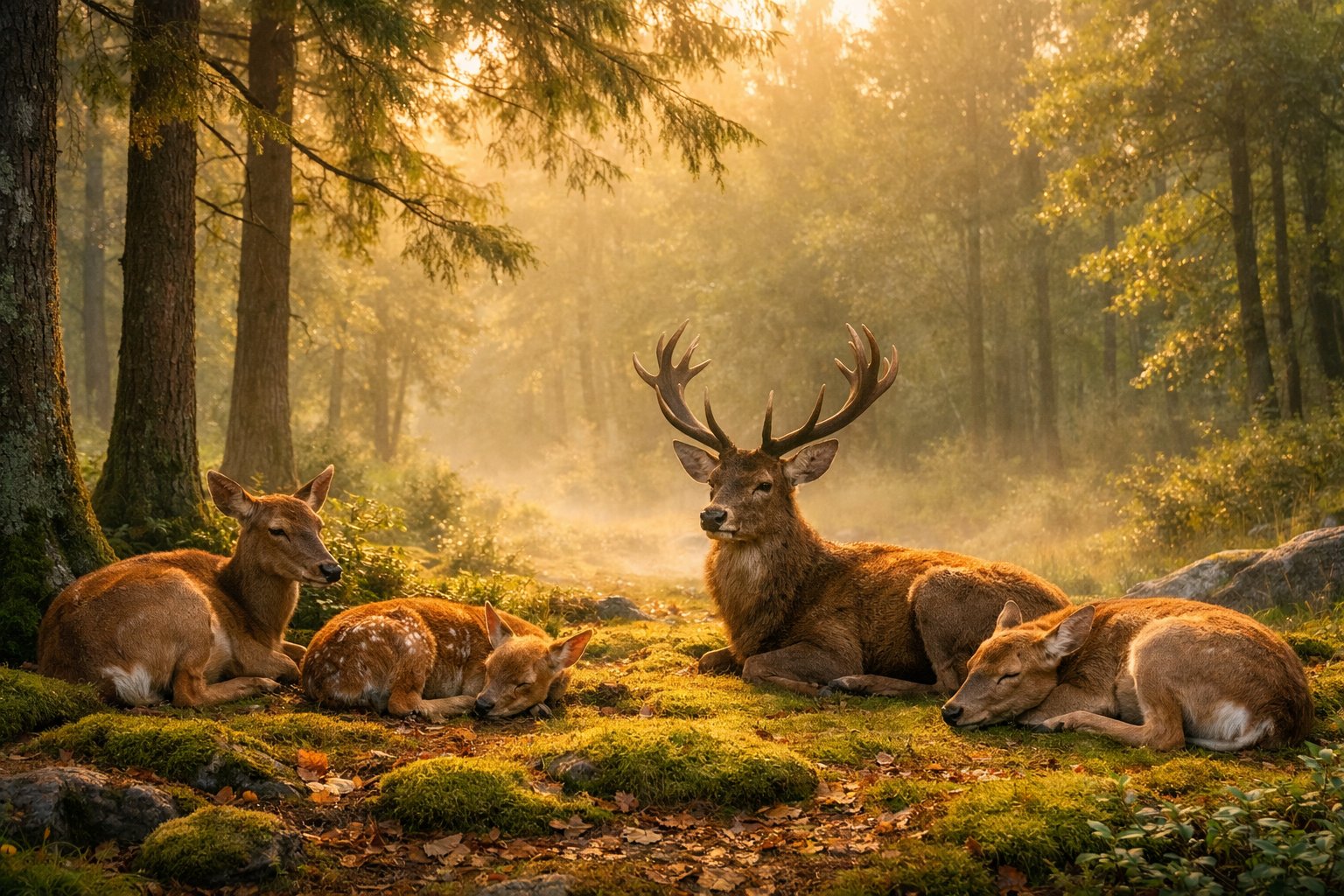
They choose spots that balance cover, visibility, wind direction, and escape routes. If you figure out how they pick these places, you’ll get a better sense of their habits and maybe even spot them—without scaring them off.
Where Do Deer Go When They Sleep?
Deer look for bedding spots that give them cover, a good view, and a quick way out if things go sideways. They bed down where they can stay safe and save energy—season, weather, and food nearby all play a part.
Typical Deer Bedding Locations
You’ll find deer bedding in tall grass, dense brush, or tucked under low conifers like cedar and pine. These places hide their shape, block the wind, and help them smell or hear anything sneaking up.
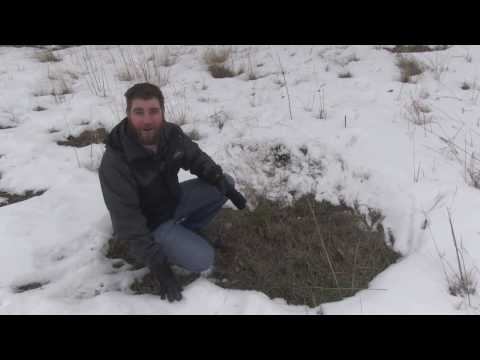
Look for oval depressions about 3–4 feet long with the plants bent but not snapped. Forest edges are classic bedding spots—deer can eat close by and still spot trouble. In wetlands, they’ll pick small islands or pockets in cattails for cover.
On ridge points or slopes out of the wind, deer use the height for early warning and a bit of warmth.
How Bedding Preferences Change with Seasons
During summer, deer seek out shady spots in the understory, tall grass, or old fencerows. These places keep them cool and hidden. Fawns hunker down in thick vegetation while their mothers feed close by.
When the rut rolls around, bucks move a lot more and sometimes bed in more open areas to keep up with does. They might change their spots every day.
In winter, deer shift to south-facing slopes, pine or cedar thickets, and low hollows that cut the wind. Deep snow drives them to spots where they can still browse. If it’s stormy or raining, they’ll hide in the thickest cover they can find.
Differences Between Buck and Doe Bedding
Bucks bed alone most of the time. They like spots with a good view and a single, fast escape route. Their beds are bigger and more oval-shaped—you’ll see them on ridge benches or along the edge of cover so they can spot threats early.
Does usually bed in groups, especially with fawns around. Their bedding areas sit closer to thick cover and food, and you’ll notice the depressions are smaller and rounder. Group bedding means more eyes and ears on alert, which keeps fawns safer while everyone rests.
Deer Bedding in Various Habitats
In farm country, deer bed along field edges or in unharvested strips of corn or beans—food’s right there. In prairies or CRP fields, they curl up in tall grass clumps or brush patches to stay hidden.
Suburban deer? They get creative—overgrown yards, drainage ditches, even thick hedgerows work for them.
In forests, you’ll spot beds under conifers, behind downed logs, or along ridge benches. Wetlands offer swamp islands and cattail pockets for cover. Different deer species follow the same basic rules but pick whatever local cover works best. Moose, for example, bed in thick brush near water.
If you’re a hunter or land manager, finding these bedding signs can really help you map deer movement and protect their favorite spots.
How and When Deer Sleep
Deer rest in short bursts, always picking safe spots close to food. They nap lightly and sometimes slip into deeper sleep, but they stay partly alert to save energy and dodge predators.
Deer Sleep Cycles and Patterns
Deer don’t sleep all at once. They use polyphasic sleep, taking several short naps throughout the day and night instead of one long stretch. Most deer clock about 3 to 6 hours of actual sleep a day, and only a couple of those hours are deep sleep.
Most naps last just a few minutes up to half an hour. Deer are crepuscular, so you’ll see them move and eat most at dawn and dusk. They rest more during the day or at night—depends on what’s going on around them.
Weather, hunting pressure, and the season can shift their sleep schedule. In winter, they might take longer rests in sheltered beds to save energy.
Group vs. Solitary Sleeping Habits
Does usually bed together, while bucks stick to solo spots. In a group of does, at least one will stay alert while the others nap, which really helps keep fawns safe.
Bucks pick more hidden or elevated beds, away from the group. You’ll see bigger, single oval beds from bucks, while does and fawns leave smaller, rounder spots. Food, terrain, and hunting pressure all change whether deer group up or go it alone.
How Deer Stay Alert While Resting
Deer manage to stay partly aware, even when they’re resting. When they lie down, you’ll notice they usually keep their heads up or just slightly tucked in, so their ears and nose can keep doing their thing.
Their ears are always moving, picking up the tiniest sounds. They often face into the wind, trying to catch any scents that might signal danger.
Deer don’t just plop down anywhere—they pick spots where they can escape quickly if they need to. Beds show up along cover edges, on ridge tops, or tucked into tall grass. These places hide them but also let them take off in a flash.
They don’t really fall into deep sleep for long. Instead, deer take micro-naps and brief deep-sleep moments, so they can recover but still stay on alert. It’s a pretty clever survival trick, and honestly, it’s something wildlife managers and observers pay close attention to.


