
Ever spot a deer by itself and wonder if something’s off—or maybe you just stumbled onto a private deer moment? Most of the time, a lone deer isn’t a cause for concern. Males tend to roam solo outside the mating season, mothers hide their fawns for safety, and young deer might wander off as they search for a new group.
Usually, a deer on its own is acting normally, though sometimes it can mean the deer is hurt, sick, or its habitat got disrupted.
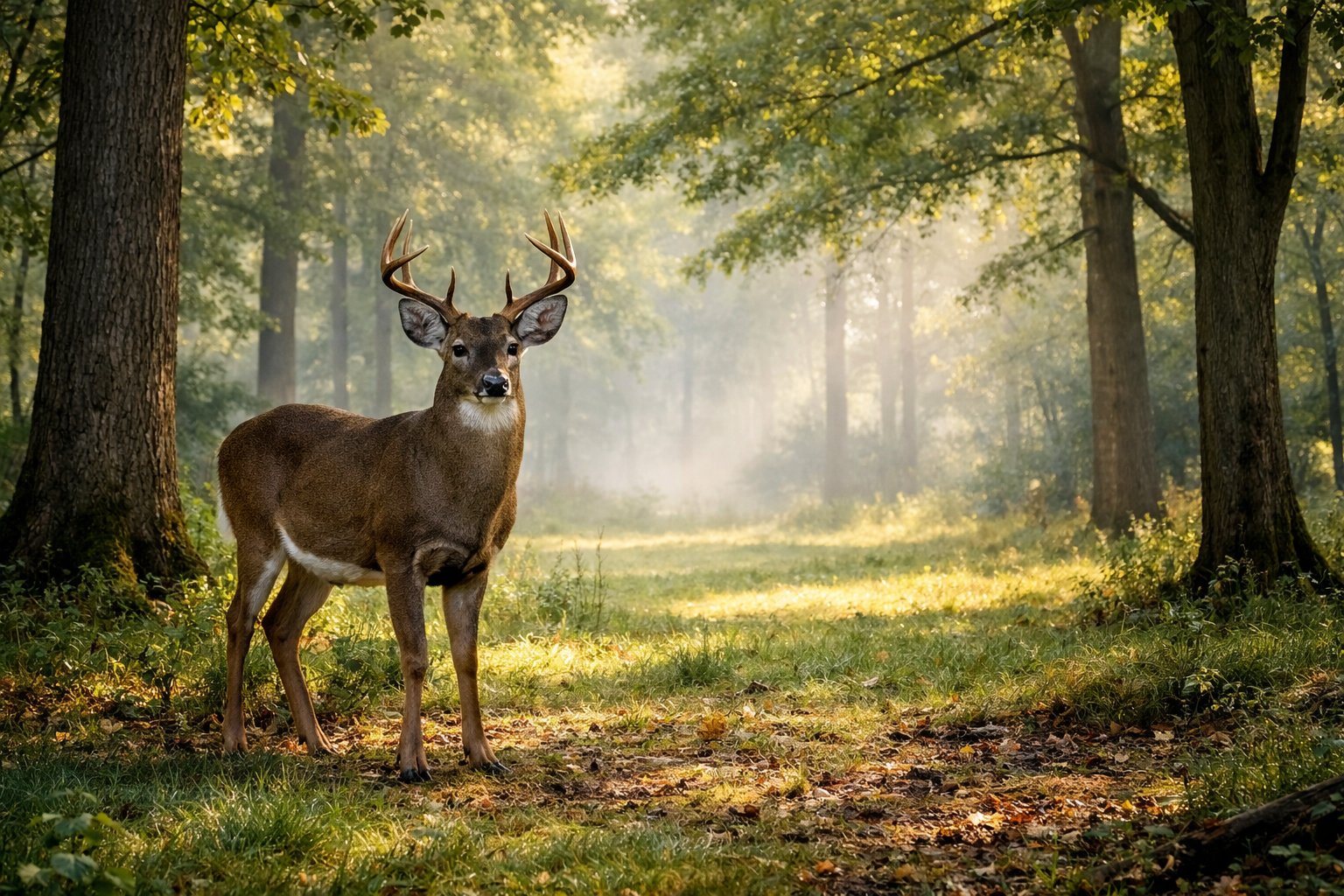
If you watch closely, you’ll pick up clues. Notice how it moves—does it limp? Is there a fawn lying still nearby? These details help you figure out if it’s just typical deer stuff or if something’s wrong.
Let’s dig into why deer might be alone, how their social lives work, and when you should just watch versus when you might need to call for help.
Fundamental Reasons Deer Are Alone

Deer stay alone for a bunch of clear reasons you can spot if you pay attention. Age, sex, mating habits, sickness, injuries, or changes in their habitat can all play a part.
Each reason comes with its own signs, so if you know what to look for, you’ll have a good idea if the deer just wants some space or actually needs help.
Life Stages and Independence
Young deer eventually leave their mothers. Yearlings and young males strike out on their own to find new territory.
Female fawns usually stick closer to family, but young bucks tend to travel solo as they learn where to eat and sleep.
Mothers hide their fawns for the first few weeks, returning only to nurse. So, if you see a fawn lying quietly alone, it’s probably not abandoned.
If the fawn cries constantly or looks hurt, then it might actually need help. In many white-tailed and mule deer groups, this natural dispersal keeps the population balanced and leaves us with a lot of solitary yearlings.
Breeding Season and Rut-Related Behavior
During the rut, bucks act differently. Mature males focus on finding mates and defending their territory.
You’ll often see bucks moving alone at dawn and dusk, chasing after does or checking scent marks. That solo behavior is typical during this time.
Does sometimes move alone too, especially when they’re trying to avoid predators or find a safe spot for their fawns.
Rut season ramps up aggression and widens travel ranges, so seeing deer alone is pretty normal then. If a buck looks skinny or has battered antlers after the rut, it’s usually just from all that breeding activity—not because it’s been abandoned.
Illness, Injury, or Distress
When a deer is sick, hurt, or weak, it might end up away from its herd. Limping, open wounds, heavy breathing, or puffed-up fur all point to trouble.
Sick or injured deer usually hide in thick cover and try not to move. But if you spot one alone in the open acting sluggish, it might need attention from wildlife experts.
Don’t try to help on your own. If the deer can’t stand, has a clear broken limb, or you see maggots or extreme thinness, call animal control or a wildlife agency. They’ll know what to do.
Environmental Factors and Human Influence
Habitat loss and development force deer to travel alone more often. Roads, new buildings, and shrinking food sources break up herds and push deer toward city edges.
You might notice more lone deer in town during droughts or when hunting pressure is high, since groups scatter to find water and food.
Humans can mess with deer social lives in other ways too. Feeding, constant noise, or repeated disturbances make mothers and groups change their routines.
When you spot a deer alone near homes or roads, it’s likely there because its habitat changed, not because it prefers to be alone.
A few things to look for:
- Age: fawn, yearling, or adult
- Sex: buck or doe, antlers or not
- Behavior: hiding quietly, calling frantically, limping
- Location: open road, thick brush, close to people
If you want more details on how age, sex, and season affect solitary deer, check out biologyinsights.com.
Deer Social Dynamics and Special Cases
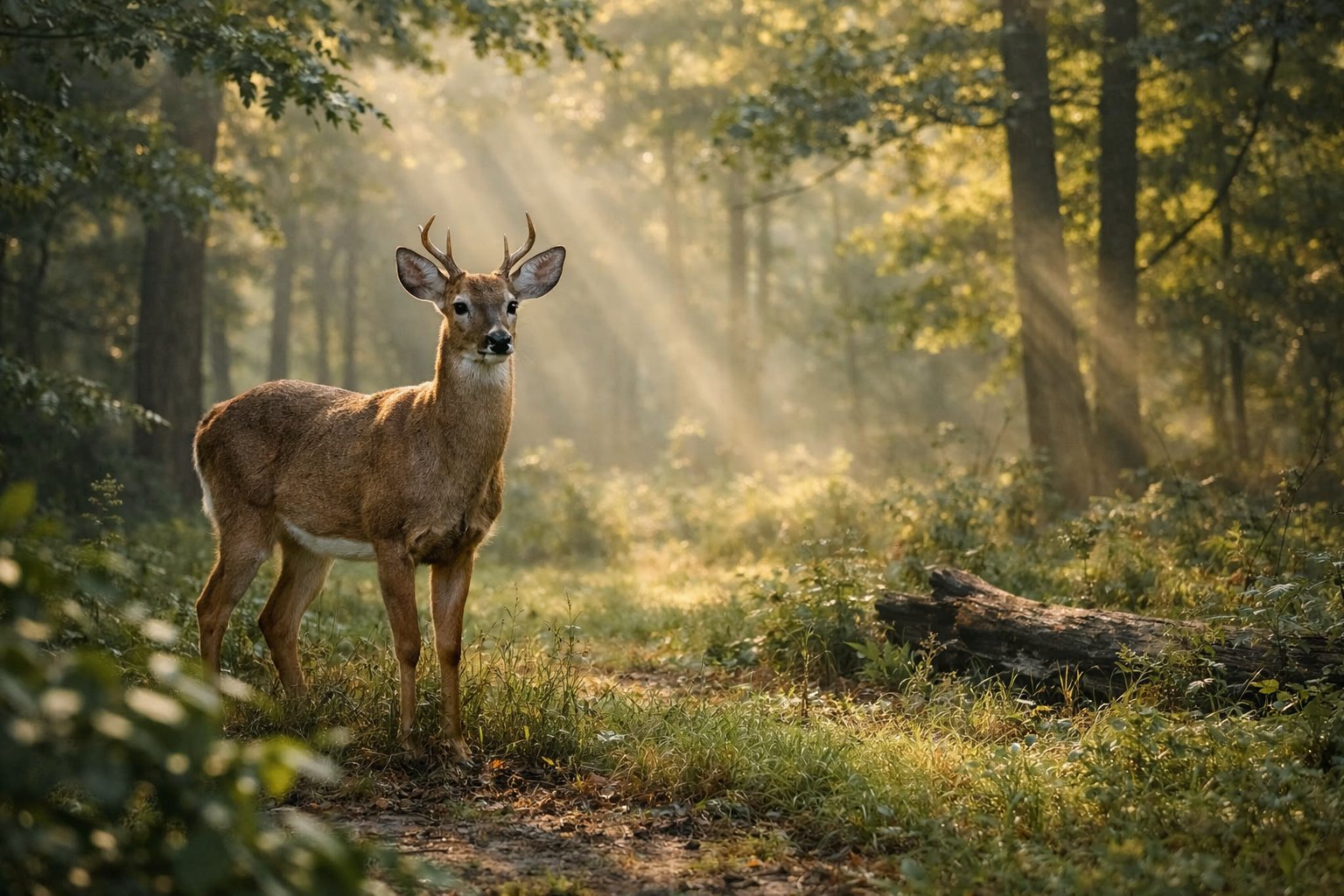
Deer switch between being alone and hanging out in groups depending on food, safety, the season, and their health.
Some deer wander by themselves to eat or find mates, while others group up when there’s enough cover and resources.
Predator Avoidance and Temporary Separation
When danger’s close, a deer might split from its group to draw less attention. A doe will hide her fawn in tall grass or brush and leave it alone for hours. This helps keep predators from sniffing out the young one.
Adult deer slip into thick cover when predators are nearby, so sometimes you’ll just see a single deer at the forest’s edge.
You might spot a deer alone at dawn or dusk. Deer are crepuscular, so they move most in low light.
If the deer limps, looks injured, or moves strangely, it could be hiding to recover. Don’t approach—just call wildlife authorities if you see real distress.
Species Variation in Solitary Behavior
White-tailed and mule deer have their own social quirks. White-tailed deer usually stick with family groups—does and their young—so a lone white-tail is probably a buck or just temporarily on its own.
Mule deer form looser groups, and lone males might travel farther, especially where the land is broken up.
Where you live matters, too. In open farm country, deer spread out more to eat, so you’ll see more solo movement. In dense forests, they stick closer together for safety.
If you’re tracking deer, pay attention to their sex, the season, and the habitat. That way, you’ll know if seeing a deer alone is normal for that place and species.
Benefits and Drawbacks of Being Alone
Being alone lets a deer dodge competition for food and lowers the chance of spreading disease in a herd. When a buck feeds by itself, it can find better browse without having to fight for it.
A hidden fawn that stays alone might actually avoid predators more easily if its mother keeps her distance. That’s just how nature works sometimes, isn’t it?
But being solitary isn’t always great. A deer by itself has fewer eyes watching for danger and gets less help escaping road traffic or hunters.
If a deer ends up alone because it’s sick, it might be weaker and more at risk. So, if you spot a deer on its own, take a moment to check for any obvious injuries or signs that it’s not doing well before you think about reporting it.


