
If a deer doesn’t seem afraid of you, it’s probably learned that people aren’t a threat—or maybe it just expects food. You should assume the deer is either habituated or food-conditioned, and that getting too close could be risky for both you and the animal.
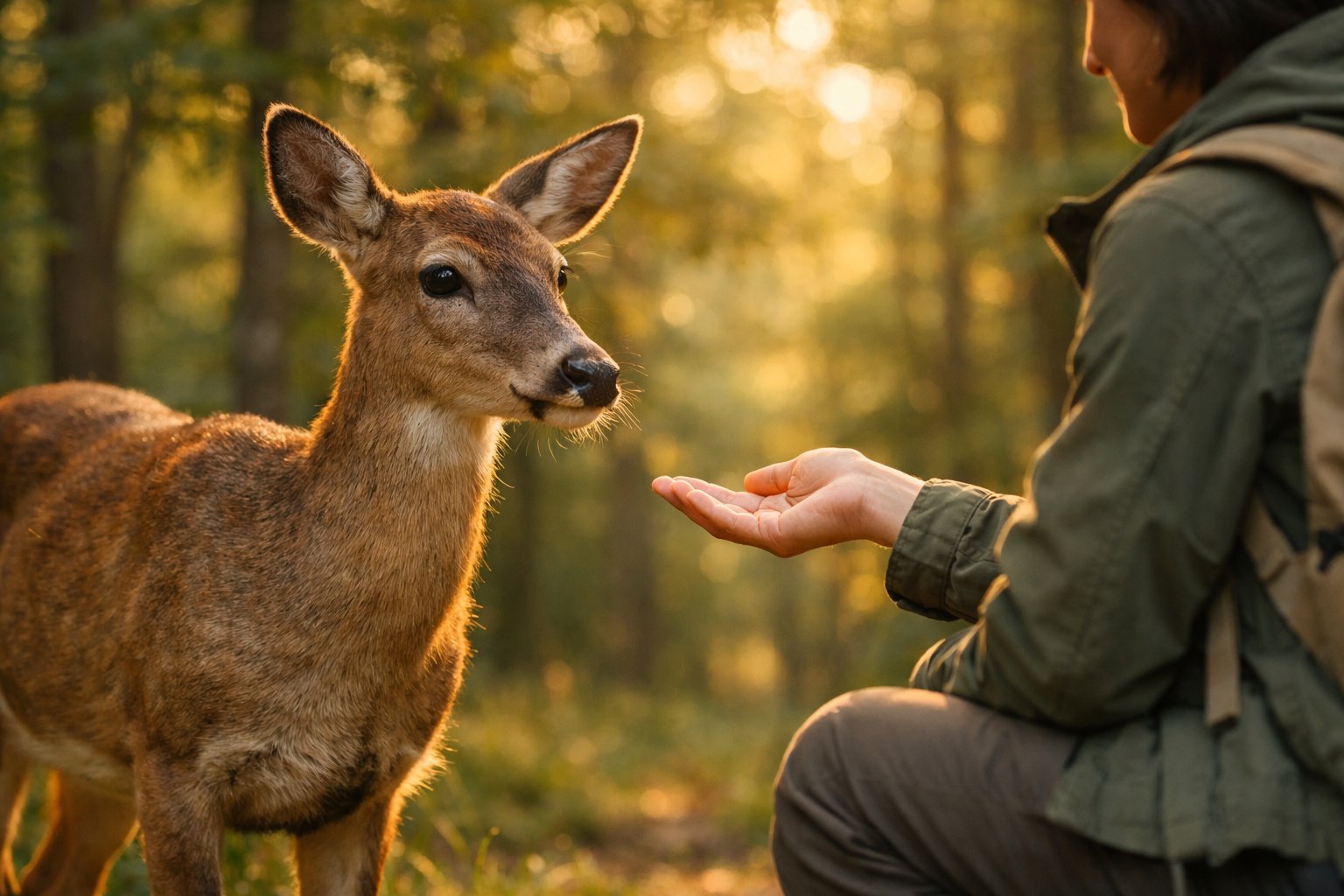
You might feel a little thrill when a deer steps right up to you. But honestly, that behavior usually comes from repeated human contact, living in urban areas, or sometimes the deer’s age or health.
Let’s dig into why deer lose their fear, what could go wrong, and how you can keep both yourself and the animal safe.
Why a Deer Might Not Be Afraid of You

Deer lose their fear for a few main reasons. They might learn from repeated safe encounters, find food near people, suffer from illness or injury, or just be young and inexperienced.
Every reason affects how a deer acts and what you should do next.
Natural Deer Behavior and Flight Response
Deer depend on sharp hearing, a keen nose, and those wide-set eyes to spot threats. When they sense danger, they usually freeze first, then bolt away if you get too close.
This flight response is their best shot at avoiding predators or cars.
If a deer stands still and stares at you, it’s sizing you up, trying to figure out if you’re a threat. Stomping, tail flicks, or a loud snort mean it’s about to run.
Bucks, especially during the rut, often act distracted and might ignore you entirely, which can make them seem fearless.
Try to read these signals and back away calmly. Don’t reach out or try to touch the deer. Give it plenty of space so it can decide to leave on its own.
Habituation: Learning to Ignore Humans
Deer get used to humans after seeing us over and over without anything bad happening. Eventually, they just treat us like part of the scenery.
You’ll notice this more in urban and suburban spots where deer wander through yards and parks.
When deer get habituated, they let people come closer than you’d expect. That’s risky—there are more car accidents, more run-ins with pets, and a bigger chance for diseases like chronic wasting disease to spread.
Habituated deer also get bold about food and people.
If you want to limit this, don’t feed deer and secure things like garbage cans. If you keep spotting bold deer, maybe talk to your local wildlife authorities—they might have tips for keeping everyone safe.
Food Conditioning and Artificial Feeding
When deer find easy food from people, they start to connect humans with snacks. Bird feeders, gardens, and folks who feed them on purpose make this worse.
Deer stop foraging naturally and show up near homes expecting handouts.
Artificial feeding messes with their digestion. Stuff like corn and bread isn’t good for them at all.
Feeding spots draw deer together, which helps diseases spread and can start neighborly squabbles.
Don’t feed deer. Take down food sources and try deer-resistant plants or fencing.
If your neighbors feed them, it’s worth talking to local officials. Sometimes, everyone working together is the only way to break the habit.
Sickness, Injury, or Disorientation
A sick or hurt deer might not run away because it’s too weak or confused. Illness, wounds, or neurological issues can make deer act strangely tame or curious.
These deer can be unpredictable and even dangerous.
If you see a deer that looks thin, moves oddly, drools, or can’t stand, keep your distance. Call wildlife control instead.
Don’t try to help or touch it—feeding or handling a sick deer could spread disease.
Chronic wasting disease and other illnesses spread fast when deer gather. Reporting sick or tame deer helps protect the local deer population.
Youth and Fawns: Inexperienced Deer
Fawns tend to be more trusting and just don’t know any better yet. They might not run because they haven’t learned to fear people, especially if their mom is used to humans.
Sometimes, fawns freeze instead of fleeing, which can look like curiosity.
If you spot a fawn alone, don’t touch it. Moms often leave their babies hidden while they go off to feed.
Getting involved can cause the mother to abandon her young. Watch from a distance and only call wildlife pros if the fawn looks hurt or in real danger.
Teach kids to keep their distance and never try to feed or pick up fawns. How we act around them shapes their behavior as they grow up.
Risks and Responsible Interactions with Unafraid Deer
Unafraid deer bring real problems for both people and wildlife. Stay back, don’t feed them, and know when to call in the experts.
Dangers to Deer and People from Habituated Behavior
Habituated deer wander into yards, streets, and even playgrounds. That bumps up their risk of getting hit by cars, stuck in fences, or eating something they shouldn’t.
Leaving out pet food, birdseed, or open trash just invites them to come back.
Sometimes, deer get startled and lash out with a kick or headbutt—bucks in rut or does with fawns can be especially unpredictable.
Kids and pets are at higher risk. Don’t try to touch or chase deer; sudden moves or loud noises can set them off.
Disease Transmission and Health Concerns
Deer that aren’t afraid can spread ticks carrying Lyme disease and other nasty stuff to people and pets. Don’t handle deer or any parts of them.
Chronic wasting disease (CWD) changes how deer act, making them seem tame. If you see a deer that looks confused, thin, or just off, report it to your state wildlife agency.
Never feed deer or leave meat or carcasses where they can get them. Feeding draws them together, which spreads disease and changes how they search for food.
If a deer looks injured, drools, staggers, or acts weird, keep away and call animal control or wildlife officials.
Discouraging Deer from Approaching Humans
Try a mix of non-lethal tricks. Plant things deer don’t like—daffodils, boxwood, or lavender—along the edges of your garden.
Set up motion lights, sprinklers, or noise-makers near spots where deer sneak in.
Lock up garbage, bring pet food inside, and clean up grills after using them.
If deer already come close, use a loud, firm voice and wave your arms to make them wary again.
Feeding deer just makes things worse, so skip the snacks and help keep their natural instincts sharp.
When to Contact Animal Control or Wildlife Agencies
If you spot a deer that’s injured, acting strangely tame, or showing weird neurological symptoms, it’s time to call animal control or your state wildlife agency. Watch for things like stumbling, drooling way too much, a droopy head, or a deer that’s just skin and bones.
Sometimes you’ll even find one inside a building in town—that’s definitely not normal. These issues might mean the deer has rabies, CWD, or some other serious disease.
If a deer blocks a playground, wanders into homes, or keeps darting across busy roads, don’t wait—report it. Try to give clear info about where you saw it, what it was doing, and if you noticed any injuries.
The wildlife agency will let you know if they’re sending someone out, or if animal control should take over.


