
Ever caught a sharp, dog-like bark echoing outside at night and wondered what on earth it was? Deer actually bark at night to warn others about danger, signal distress, or even mark their territory. So, if you hear that sound, chances are something nearby has startled them.

Darkness, lurking predators, and even human activity nudge deer to use their vocal alarms more often. The next bit gets into why deer bark, how their nighttime habits mess with their behavior, and what those odd sounds can tell you about what’s going on nearby.
Why Deer Bark at Night
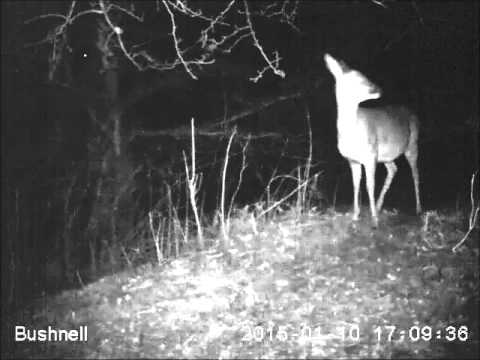
Deer bark for a few clear reasons: they warn each other, signal mating or territory, and some species just tend to be more vocal. You’ll pick up differences depending on the species, what’s happening, and what kind of threats or social cues are around.
Alerting to Danger and Predators
When a deer barks at night, it usually senses danger nearby. You might hear those short, sharp barks if a deer spots a coyote, a fox, or even just an unfamiliar human.
That sound grabs attention and can make other deer freeze, look around, or bolt. It’s loud enough to cut through the quiet night.
You’ll often spot visual clues too: maybe a raised tail, a stomp, or a sudden dash away. The bark really helps at night, when seeing isn’t easy, by giving a clear audio warning. White-tailed deer and others use this alarm bark to keep fawns and the herd safe.
Territorial and Mating Calls
Barking isn’t just about danger. During the rut, bucks might bark or snort to challenge rivals and stake out their space.
Females (and sometimes males) bark to attract mates or answer back to mating displays. Muntjac and other barking deer can get pretty noisy, repeating calls to tell others to stay out of their feeding or bedding spots.
You might notice more of these sounds in fall and early winter, when rut activity peaks and deer get especially defensive about their territories.
Species Differences in Nighttime Barking
Not all deer bark the same way—or even as often. Muntjac (Muntiacus spp.) have a reputation for their frequent, high-pitched barks, which is why people call them “barking deer.”
You’ll probably hear muntjacs vocalizing at night, especially when it’s breeding season. White-tailed deer, fallow deer, and red deer can bark too, but they don’t do it as much, and usually only when alarmed or during the rut.
Muntiacus reevesi and M. muntjak go for rapid, repetitive barking. Red deer, on the other hand, make lower, less common alarm sounds and get more creative with calls when mating.
If you know what species live near you, it gets a lot easier to figure out if a bark means “danger,” “come here,” or “stay out.”
Nocturnal Behavior and Environmental Influences

Deer don’t stick to one routine—they shift when they move and make noise, depending on nearby risks and where food is. You’ll see more nighttime activity if people, roads, or patchy woods push deer to safer hours.
Human Disturbance and Habitat Fragmentation
When roads, houses, or farms cut through forests, deer start moving more at night to dodge people and dogs. You might hear deer barking near the edge of a suburb after dark, especially if you or your pets are out and about.
Lights from streetlamps can nudge deer toward darker hours, so those living near towns become more crepuscular or nocturnal. Fragmented patches force deer to cross open ground just to reach food.
Expect more quick, tense movements and alarm barks when deer have to leave cover at night. In places like Kaeng Krachan National Park, animals in big, unbroken forests act differently than those near fragmented lands.
If you manage land, keeping connected corridors helps reduce nighttime stress and noisy run-ins.
Predation and Food Availability
Predators and the location of plants really shape when deer decide to feed or call out. If wolves, coyotes, or leopards hunt nearby, deer usually pick low-light hours and bark out warnings to their herd.
You’ll probably hear more vocal alarms in places with lots of predators, especially during fawning season. Food supply changes things too.
When deer spot their favorite browse or bluebells blooming in just a few spots, they’ll travel at night to dodge daytime competition and people. Scarce food pushes deer to move more and sound off alarm calls as they cross exposed areas.
If you watch how deer forage and bark, you can often figure out if they’re dodging predators, searching for food, or maybe a bit of both.


